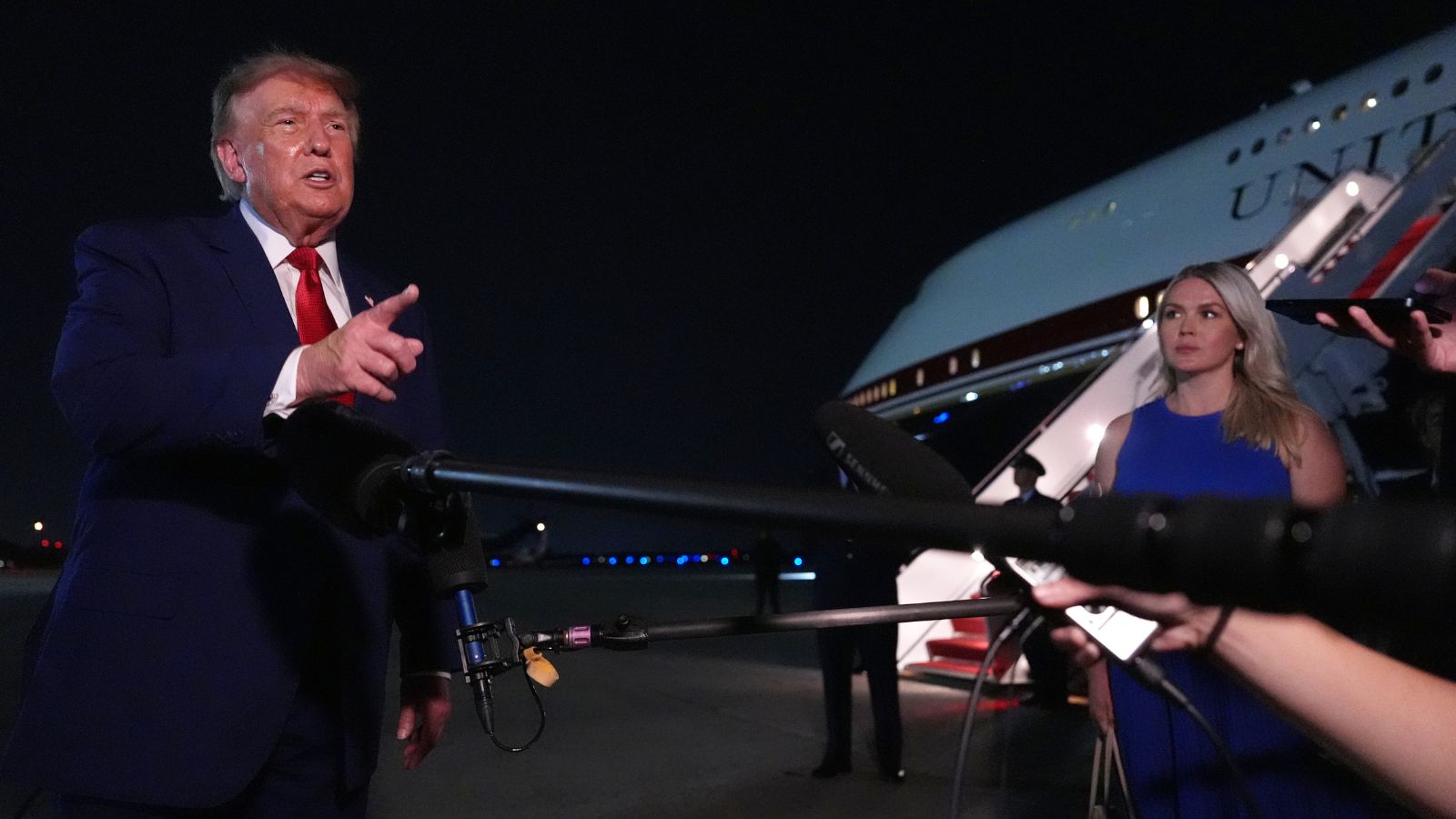
U.S. journalists accuse the White House of concealing President Trump’s covert aircraft change, calling it a breach of the press pool agreement. They argue the move exposed reporters to unnecessary danger without prior notice.
Key Takeaways
- Reporters were not informed about the sudden aircraft swap during Trump’s flight.
- The White House hid the operation, citing an alleged Iranian threat.
- Journalists label the action a violation of the core press‑corps agreement.
Incident Overview
Last month, President Donald Trump was transferred from Air Force One to a military C‑32A aircraft while en route from Turkey to the United Kingdom. The maneuver, prompted by a reported Iranian threat, was kept secret from the press pool traveling aboard the presidential plane.
Four journalists later recounted that they only noticed irregularities in hindsight, describing the lack of transparency as “outright deception.” They emphasized that they were never given the option to consent to being placed in a potential danger zone.
Historical Background
The White House press pool dates back to the 1940s, designed to give journalists real‑time access to the President while ensuring security coordination. Historically, the pool has been a cornerstone of democratic accountability, with few instances of covert movements that bypassed press notification.
Why This Matters
BozokMedia analysis shows that undermining press transparency erodes democratic accountability. When journalists are kept in the dark about threats, public trust in the executive branch weakens, prompting calls for stricter oversight of press‑government protocols.
"Balancing security with a free press is the backbone of a healthy democracy," notes media scholar Dr. Emily Carter.
Frequently Asked Questions
Q1: Were any journalists directly endangered during the aircraft swap?
A: No confirmed attacks were reported, but being placed near armed fighter escorts without prior warning was deemed a potential risk.
Q2: Could this incident lead to changes in press pool procedures?
A: Experts suggest new protocols for mandatory briefings when security operations might affect the media present.
