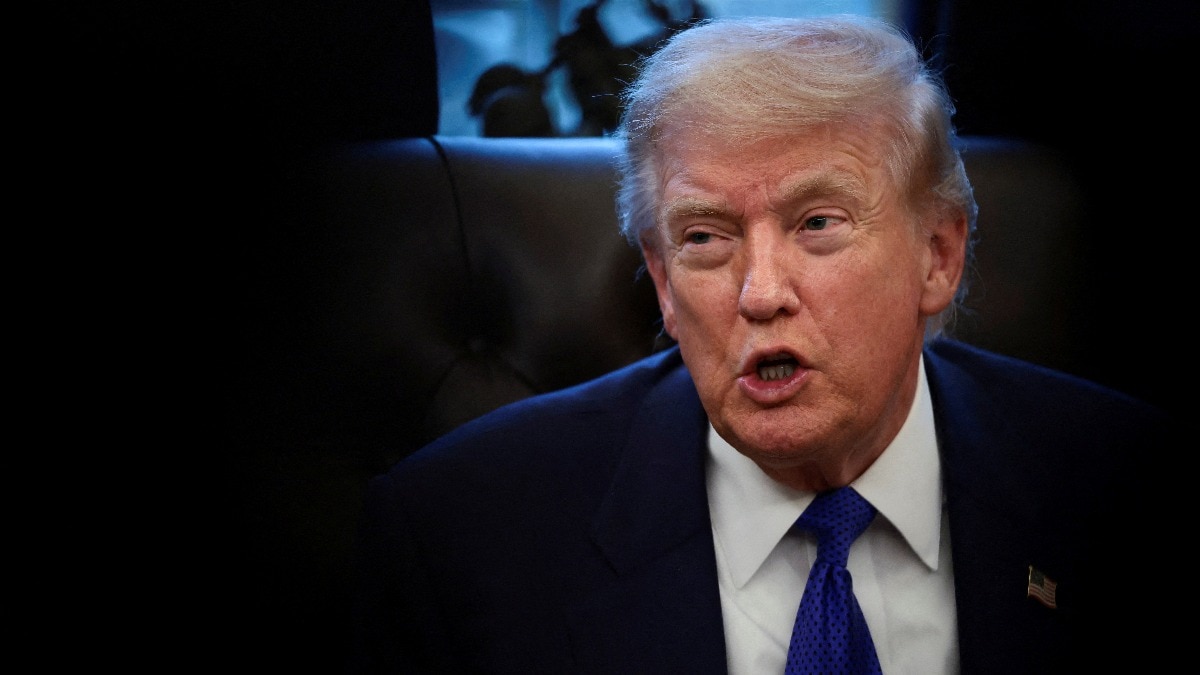
US President Donald Trump has threatened military action against Oman following reports of a transit agreement with Iran regarding the Strait of Hormuz, escalating tensions in the Persian Gulf.
- President Trump threatened to bomb Oman if it obstructs US efforts against Iran.
- Iran and Oman have reportedly agreed on a transit route map for the Strait of Hormuz.
- A 60-day MoU between the US and Iran has expired without a comprehensive deal.
- Oman's role as a key mediator is under severe pressure due to US aggression.
In a stunning escalation of rhetoric, US President Donald Trump has threatened military intervention against the Sultanate of Oman. This warning follows an announcement by Tehran that it has reached an understanding with Muscat regarding a specific transit route for ships navigating the strategic Strait of Hormuz.
Speaking in a phone interview with Fox News correspondent Trey Yingst on Monday, Trump did not mince words, stating, "If Oman gets in the way, we'll bomb the s**t out of them." The timing of this threat is critical, coinciding with the expiration of a 60-day memorandum of understanding (MoU) between Washington and Tehran, which failed to produce a lasting peace agreement.
Why This Matters
BozokMedia analysis shows that this move signals a shift from diplomatic mediation to raw military deterrence. By threatening Oman—a longtime US partner and the primary diplomatic bridge to Iran—Trump is effectively telling regional players that the US naval blockade of Iranian ports takes precedence over all traditional alliances. This creates a volatile environment for global oil markets, as any conflict in the Strait could trigger a worldwide energy crisis.
"The targeting of a neutral mediator like Oman suggests that the US is moving toward a policy of absolute coercion to force Iranian capitulation."
Iranian Foreign Ministry spokesperson Esmail Baghaei confirmed that the two nations have agreed on the "map of the transit route," with a joint statement pending. The proposed arrangement would see vessels enter the strait closer to Iranian waters and exit through Omani-controlled areas. While Baghaei admitted the process has been slow, the intent remains to finalize the package.
Historically, Oman has maintained a delicate balance, serving as the "Switzerland of the Middle East." However, the current administration's stance puts Muscat in an impossible position: maintaining its sovereignty and regional ties while avoiding the wrath of the world's most powerful military.
1. Why is the US opposed to the Oman-Iran deal?
The US views any agreement that facilitates transit through the Strait of Hormuz as a potential loophole that undermines its economic blockade and pressure campaign against Tehran.
2. What is the current status of US-Iran relations?
Relations remain hostile; a recent 60-day window for negotiation has expired without a deal, leading to increased naval presence and economic sanctions.