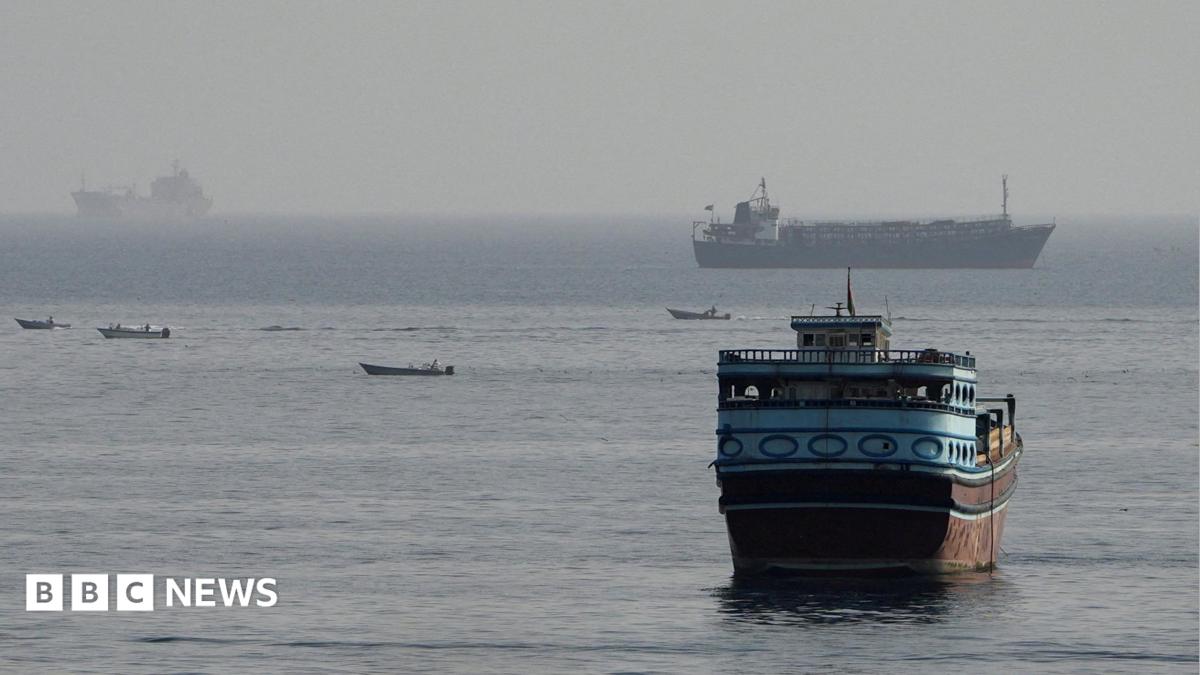
As the conflict shifts from a war on Iran to a war over the Strait of Hormuz, the US faces a strategic quagmire with limited diplomatic options.
Key Takeaways
- The closure of the Strait of Hormuz is driving a global economic crisis.
- US military strikes have failed to force Tehran into submission.
- The Islamabad MoU via Oman offers the most viable path to resolution.
After five months of intermittent bombing, it has become increasingly clear that the United States is sinking into a military quagmire in the Middle East. President Donald Trump's repeated threats of massive military campaigns have failed to bring Tehran to the negotiating table. Instead, the conflict has evolved from a targeted campaign against Iran's nuclear program into a broader 'Hormuz War,' centered on the control of a critical maritime chokepoint.
Why This Matters
BozokMedia analysis shows that the stakes of this conflict extend far beyond regional borders. The closure of the Strait of Hormuz has triggered commodity shortages and looming global economic instability. For the US administration, the priority has shifted from nuclear disarmament to the urgent necessity of reopening the strait to ensure global energy security.
The IRGC leadership believes that any compromise under US pressure only invites further aggression, making military escalation a cycle of retaliation.
The fundamental problem lies in the US's reliance on force over diplomacy. While the US military budget dwarfs that of Iran, it has struggled to prevent Iran from projecting enough force to threaten maritime traffic. Unless the US is prepared to fully collapse the Iranian regime—effectively turning it into a failed state—continued military strikes are unlikely to achieve long-term strategic goals.
Historical Background
The Strait of Hormuz has long been a geopolitical flashpoint. For decades, Iran has utilized its proximity to this chokepoint as strategic deterrence against Western intervention, making it one of the most sensitive maritime corridors in the world.
Frequently Asked Questions
1. Why is the Strait of Hormuz so important?
It is a critical chokepoint for the global supply of oil and refined petroleum products.
2. What is the 'Islamabad Memorandum of Understanding'?
It is an agreement that facilitates dialogue between Iran and Oman to manage the maritime services in the Strait.