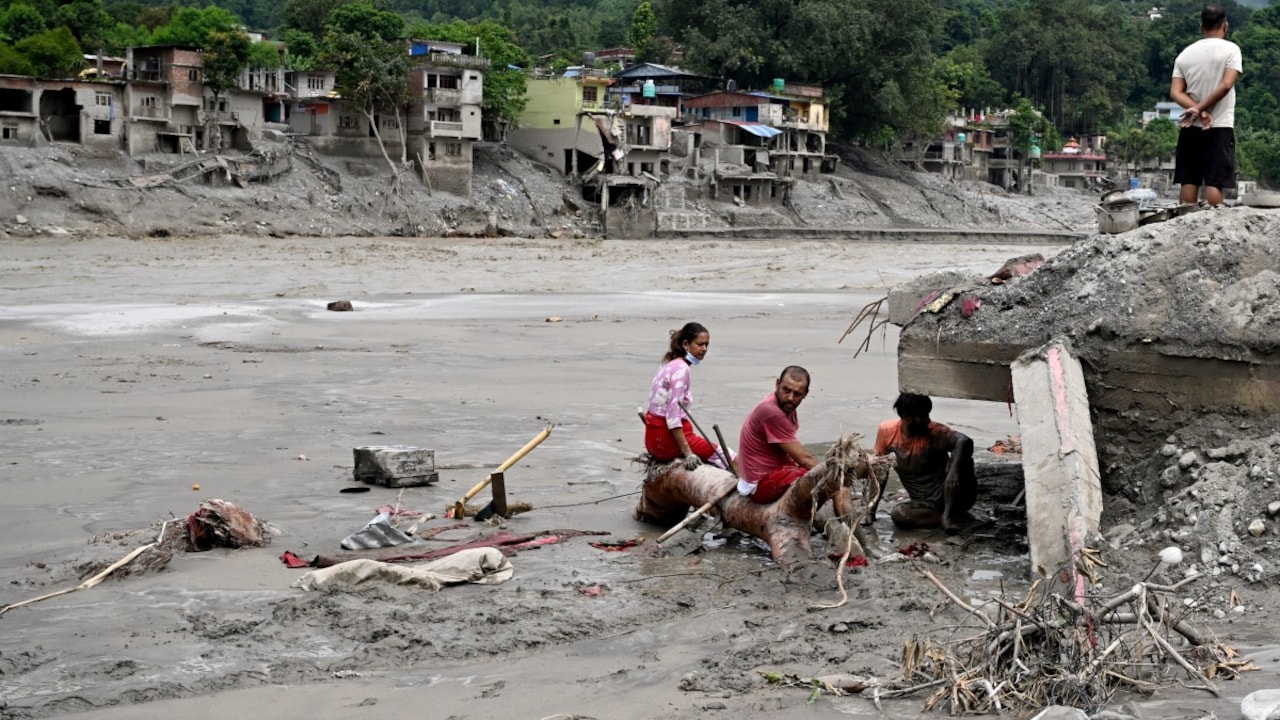
In Nepal, tourism is far more than a leisure sector; it is a vital economic lifeline. As the nation recovers from devastating floods, revitalizing this industry is key to long-term stability.
- Tourism serves as a cornerstone for Nepal's GDP and employment.
- Recent devastating floods have severely impacted infrastructure and tourism sites.
- Strategic investment in tourism is essential for national economic resilience.
Tourism in Nepal is far more than a mere leisure sector; it is a fundamental pillar of the national economy. Beyond the scenic landscapes, the industry serves as a massive engine for employment, providing livelihoods both directly through hospitality and indirectly through local supply chains. Following the recent devastating floods, the urgency to rebuild this sector has never been higher.
The floods have caused significant damage to critical infrastructure, including trekking routes, lodges, and cultural heritage sites. For a nation heavily reliant on the influx of international travelers, the disruption of these services creates a ripple effect that touches every level of society, from mountain guides to urban artisans.
Why This Matters
BozokMedia analysis shows that the recovery of the tourism sector is inextricably linked to Nepal's ability to reduce poverty and fund public services. When tourism thrives, the capital flows into remote regions, empowering local communities and fostering decentralized economic growth.
The revitalization of tourism is not just about welcoming travelers; it is about rebuilding the very backbone of Nepal's economic sovereignty.
The economic implications extend beyond simple revenue. Tourism drives the demand for local agriculture, handicrafts, and transport services, making it a multiplier for overall economic health. As the country navigates the aftermath of natural disasters, a strategic focus on 'resilient tourism' will be paramount.
Historical Background
Historically, Nepal has leveraged its unique geography—home to the world's highest peaks—to establish itself as a global hub for adventure tourism. Since the mid-20th century, the mountaineering industry has been a primary driver of foreign exchange, shaping the nation's international identity and economic trajectory.
Frequently Asked Questions
1. Why is tourism considered vital for Nepal?
Tourism is a major contributor to Nepal's GDP and is a primary source of employment for millions of citizens.
2. How do floods impact the tourism industry?
Floods damage essential infrastructure like roads and hotels, which disrupts travel and reduces the influx of foreign currency.