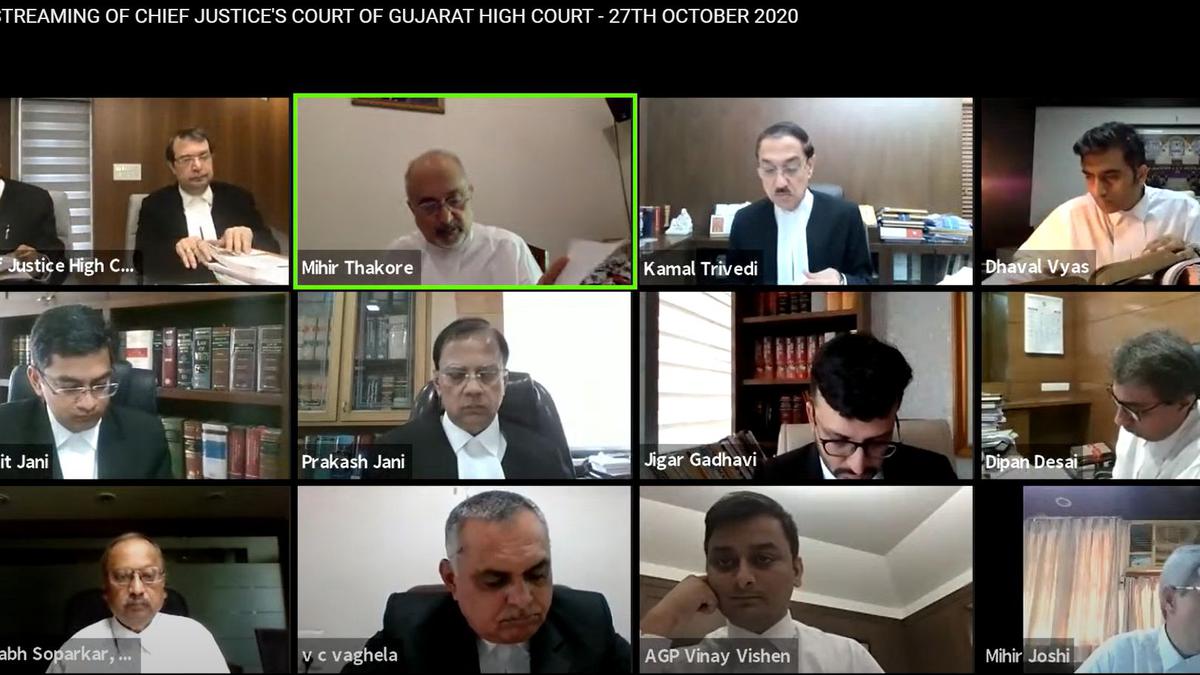
A new petition filed in the Supreme Court argues that banning the circulation of livestreamed court proceedings violates the constitutional principle of open justice and Article 21.
Key Takeaways
- Activists argue the July 24 order reverses the 'principle of open justice'.
- The petition claims restrictions violate constitutional guarantees under Article 21.
- The ban covers extraction, modification, and monetization of judicial recordings.
New Delhi: Two activists have formally challenged a Supreme Court order that prohibits the circulation of livestreamed judicial proceedings on social media and digital platforms. The application, filed by activists Anjali Bhardwaj and Amrita Johri, contends that the restriction undermines the very 'principle of open justice' that the apex court has long upheld.
Represented by senior advocates Prashant Bhushan and Cheryl D’Souza, the petitioners argued that the July 24 interim order contradicts the constitutional guarantee of fair, just, and reasonable procedures under Article 21. They maintained that open access to justice is essential to ensure the judiciary remains accountable to the public and protected from arbitrariness.
Why This Matters
BozokMedia analysis shows that this legal battle represents a critical intersection between digital freedom and judicial protection. As court proceedings move into the digital sphere, the tension between preventing 'trolling' and maintaining 'transparency' becomes a defining issue for modern democracy.
Restricting the dissemination of public proceedings converts a fundamental right into a privilege contingent on administrative discretion.
The contested order prohibits the extraction, modification, dissemination, or monetization of audio-video recordings of court proceedings without prior permission from the Secretary General of the Supreme Court or the Registrar General of the respective High Courts. The court had previously reasoned that unregulated circulation exposes judges, lawyers, and litigants to reputational harm and trolling.
Historical Background
The push for live-streaming in Indian courts gained significant momentum over the last decade, aimed at making the legal process more accessible to the common citizen. This move was intended to bridge the gap between the courtroom and the public, fostering greater trust in the legal system.
Frequently Asked Questions
1. What exactly does the Supreme Court order prohibit?
It prohibits posting, reposting, or monetizing any clips or recordings of court proceedings without official permission.
2. What is the activists' suggested alternative?
They suggest providing authorized, high-quality recordings to prevent misuse rather than imposing a blanket ban on sharing.


