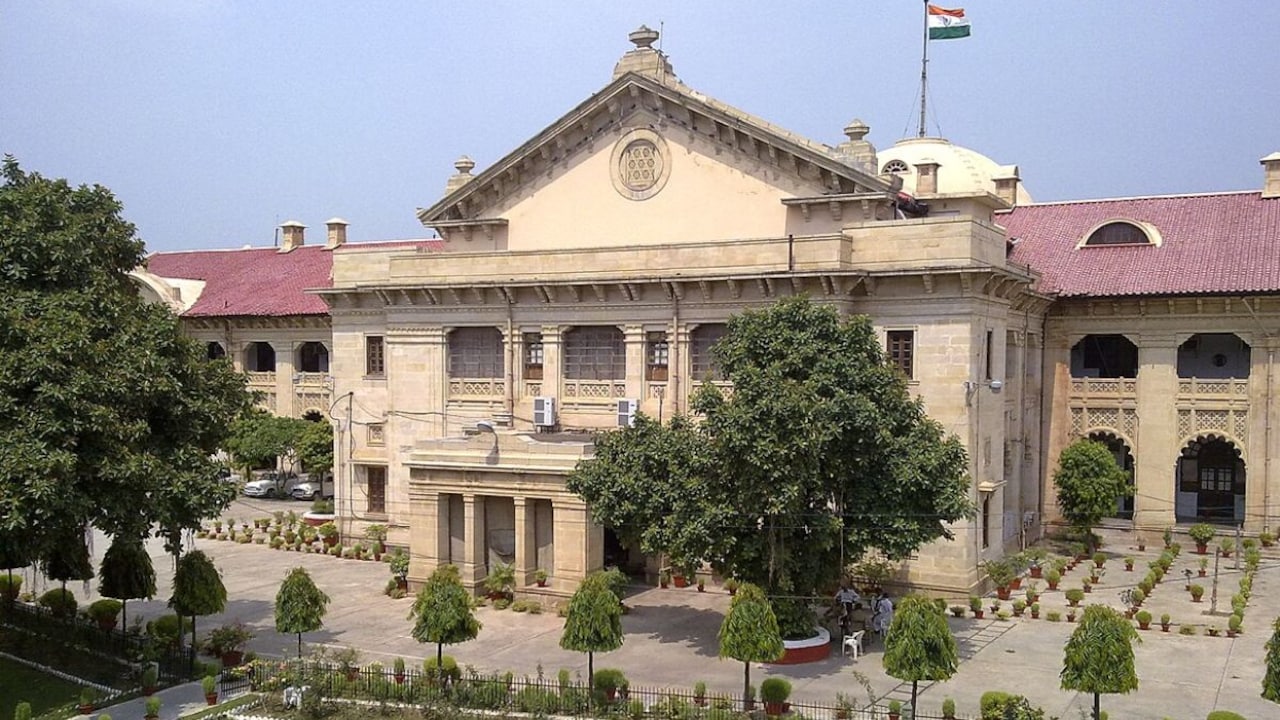
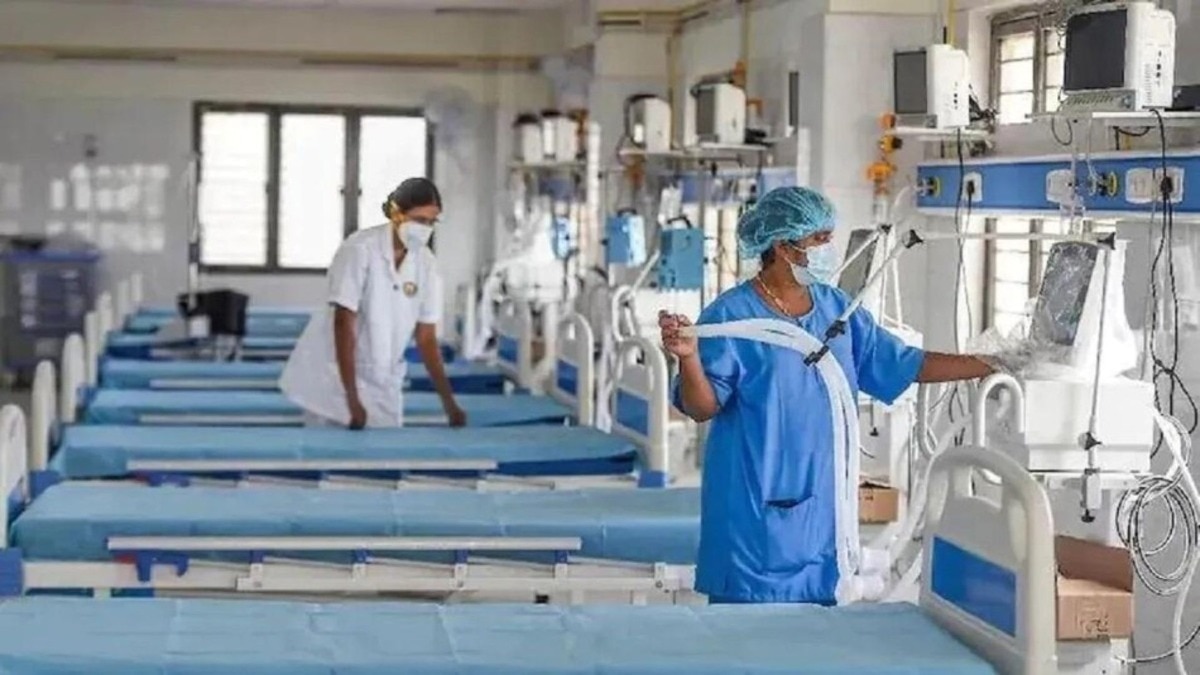
The Delhi High Court has slammed the government over reports of critical medical equipment lying unused in 26 state-run hospitals, calling the situation at GTB Hospital 'quite shocking'.
Key Takeaways
- Large quantities of critical medical equipment are unused across 26 Delhi government hospitals.
- GTB Hospital alone has 400 ventilators and 910 oxygen concentrators lying idle.
- The Court has ordered Health and Services Secretaries to conduct hospital-wise examinations.
- Issues include lack of technical manpower and missing essential accessories.
The Delhi High Court has expressed profound concern regarding a list submitted by the Delhi government, revealing that a massive amount of critical medical equipment remains unused in 26 government hospitals across the city. The court's observations highlight a significant gap in the management of public healthcare resources.
A Division Bench comprising Justice Prathiba M. Singh and Justice Manmeet Pritam Singh Arora described the situation at Guru Teg Bahadur (GTB) Hospital as "quite shocking." According to the report, 400 ventilators and 910 oxygen concentrators are sitting idle. Furthermore, the court noted that the hospital is likely functioning without a functional ECG machine, an essential tool for any healthcare institution.
Why This Matters
BozokMedia analysis shows that this is not merely a logistical failure but a systemic crisis that directly impacts patient survival rates. When high-end equipment, such as those at the Delhi State Cancer Institute, remains unused due to a lack of technical staff or minor accessories, it represents a massive waste of public funds and a denial of life-saving treatment to those in need.
Allowing globally manufactured, expensive medical equipment to rust due to administrative oversight is a failure of the public health mandate.
The court has directed the Secretaries of the Health and Family Welfare and Services departments to hold urgent meetings with Medical Superintendents to address these issues hospital-wise. Proposed remedial actions include filling technical vacancies, procuring missing parts, and reallocating unused equipment to hospitals where it is desperately needed.
Historical Background
Many of the idle machines were procured or donated during the height of the COVID-19 pandemic. While they were vital during the emergency, the subsequent lack of specialized manpower and maintenance protocols has left these assets redundant in the post-pandemic era.
Frequently Asked Questions
1. What are the main reasons for the equipment being idle?
The primary reasons cited are the absence of technically qualified manpower and the lack of specific accessories or spare parts required for operation.
2. What action has the Court taken?
The Court has ordered high-level departmental meetings to ensure equipment is repaired, staff is hired, and resources are redistributed effectively.