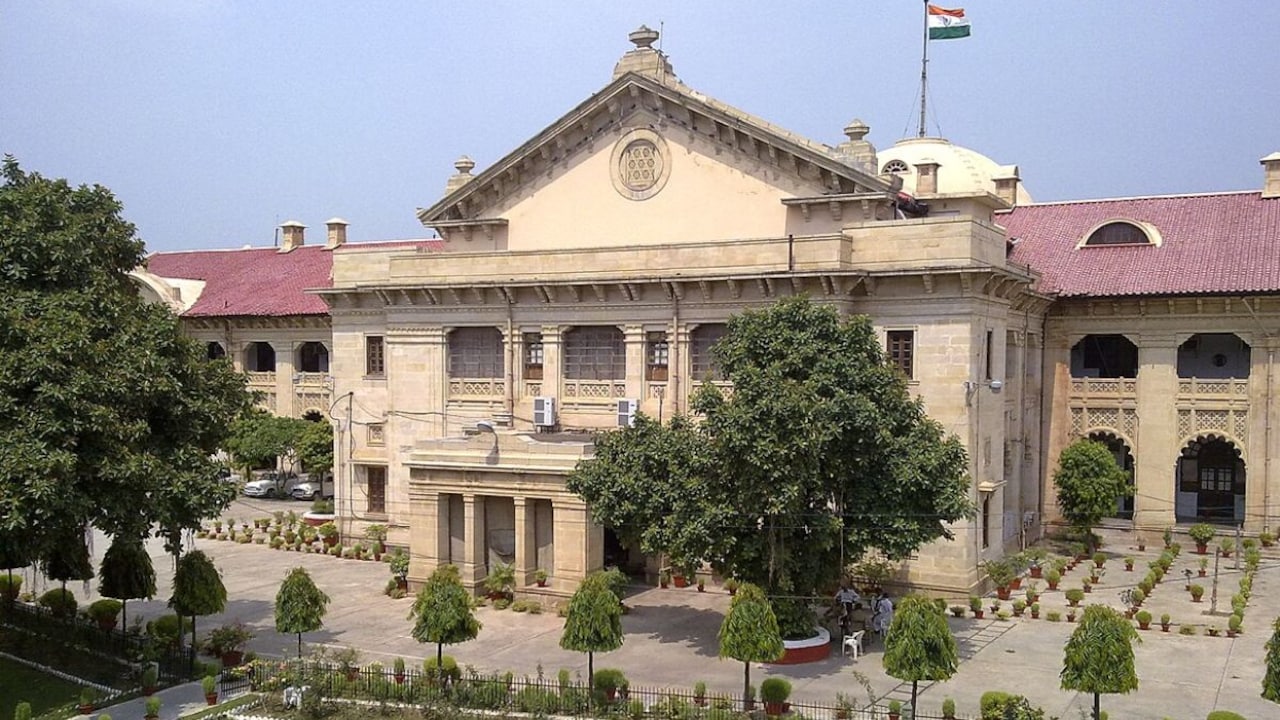
From the Bhopal tragedy to the Public Trust Doctrine, the Supreme Court has been the parent of Indian environmental jurisprudence. But is its recent reluctance toward infrastructure challenges a sign of retreat?
Key Takeaways
- The 42nd Amendment (1976) integrated environmental duties into the Indian Constitution.
- Landmark doctrines like 'Absolute Liability' and 'Polluter Pays' were birthed by the Supreme Court.
- There is a growing concern regarding judicial inconsistency in cases involving large-scale infrastructure projects.
In the early decades of independent India, environmental policy was largely uncodified. It was not until the 1976 Constitution (Forty-second Amendment) Act, inspired by the Stockholm Conference, that specific provisions like Article 48A and Article 51A(g) were introduced, mandating both the State and its citizens to protect the natural environment.
The evolution of Indian environmental law reached a turning point following the 1984 Bhopal Gas Tragedy. In the wake of this catastrophe, the Supreme Court developed the Doctrine of Absolute Liability, ensuring that enterprises engaged in inherently dangerous activities are held strictly accountable for any harm caused. This was further bolstered by the 'Polluter Pays' principle and the 'Precautionary Principle', which mandates that the state must anticipate and prevent environmental degradation before it occurs.
Why This Matters
BozokMedia analysis shows that the Supreme Court has historically acted as the 'parent' of environmental jurisprudence in India. By establishing concepts like the Public Trust Doctrine and Inter-generational Equity, the Court ensured that natural resources are managed not just for current consumption, but as a sacred trust for future generations.
The precautionary principle is the cornerstone of environmental jurisprudence, placing prevention above mere reparation.
However, a modern tension has emerged. Legal experts, including Justice Gautam Patel, have noted a pattern of 'consistent inconsistency.' While the Court remains supportive of environmental causes raised by NGOs, it appears increasingly reluctant to intervene in cases that challenge massive infrastructure projects, creating a potential gap in its environmental legacy.
Evolution of Legal Principles
| Principle | Core Concept | Landmark Case |
|---|---|---|
| Absolute Liability | Strict accountability for dangerous activities | Union Carbide vs Union of India |
| Public Trust Doctrine | State as a custodian of natural resources | M.C. Mehta vs Kamal Nath |
| Precautionary Principle | Preventative action against degradation | Vellore Citizens’ Welfare Forum |
Frequently Asked Questions
1. What is the 'Polluter Pays' principle?
It is a principle where the party responsible for environmental pollution must bear the costs of managing it to prevent damage to human health or the environment.
2. How does the Precautionary Principle differ from Polluter Pays?
While 'Polluter Pays' focuses on reparation after damage is done, the 'Precautionary Principle' focuses on preventing the damage from happening in the first place.