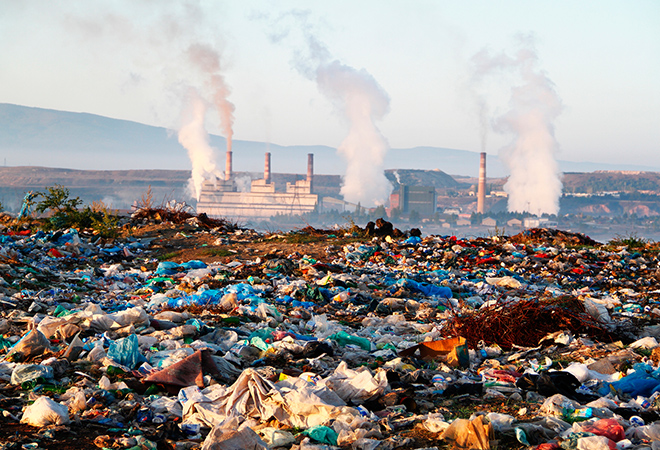
The Supreme Court has called for a comprehensive audit of waste management infrastructure, criticizing the societal tendency to generate waste without taking responsibility for its impact.
- The Supreme Court emphasized the need for a complete audit of solid waste management systems.
- Justices criticized the societal mindset of 'entitlement to generate waste without responsibility to manage it.'
- The bench highlighted the slow approach of various departments in implementing waste solutions.
In a significant observation regarding urban sanitation and environmental health, a bench of Justices SVN Bhatti and NV Anjaria of the Supreme Court has called for a rigorous audit of existing infrastructure. The court expressed deep regret over the prevailing societal attitude toward waste disposal and environmental accountability.
The bench noted a troubling trend where individuals and entities feel entitled to generate vast amounts of solid waste but show a complete lack of cooperation in controlling the resulting environmental impact at the threshold. This 'not in my backyard' mentality is hindering effective waste management strategies across the country.
Why This Matters
BozokMedia analysis shows that as India's urban footprint expands, the gap between waste generation and scientific disposal is widening. Without a structured audit of the current infrastructure, municipal bodies will continue to struggle with overflowing landfills and toxic leachate, posing massive risks to public health and groundwater quality.
It is regrettable that across society, the general feeling is 'I am entitled to generate but not to cooperate and control the impact of solid waste management.'
Furthermore, the court pointed out the inefficiency in departmental responses. The bench remarked that the slow and somewhat unintelligible approach of certain departments, including the education sector, in addressing waste management issues is a matter of concern that requires immediate rectification.
Historically, solid waste management in India has been plagued by fragmented governance and lack of technological integration. While various municipal laws exist, the execution remains inconsistent, leading to the massive accumulation of non-biodegradable waste in metropolitan areas.
Frequently Asked Questions
1. What did the Supreme Court observe about society's role in waste?
The Court observed that people feel entitled to produce waste but refuse to cooperate in managing its environmental impact.
2. What is the main recommendation of the Court?
The Court has demanded a complete audit of the infrastructure used for solid waste management.

