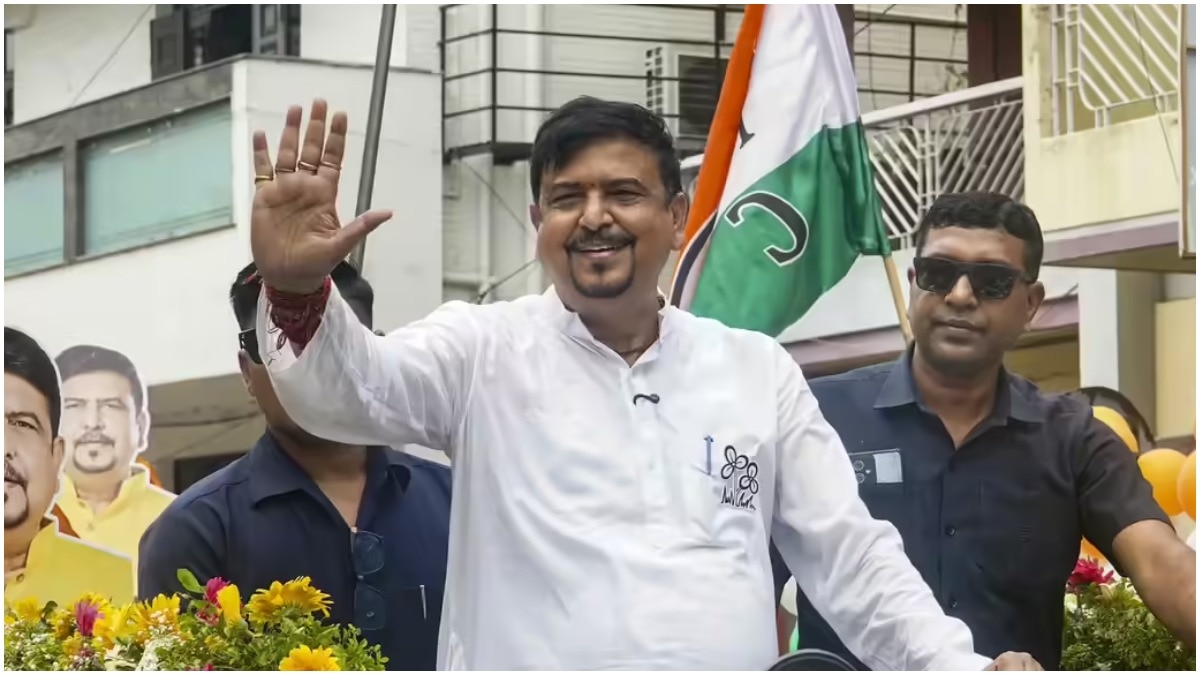
The Madras High Court has rejected a petition by former Union Minister A. Raja seeking to compel the CBI to produce specific documents in his disproportionate assets case.
- Madras High Court dismissed former DMK MP A. Raja's petition.
- The plea sought directions to the CBI to bring specific documents on record.
- The case pertains to a 2015 FIR regarding disproportionate assets.
- Justice G.K. Ilanthiraiyan refused to intervene in the Special Court's decision.
In a significant legal development, the Madras High Court on Friday dismissed a criminal original petition filed by former Union Minister and DMK MP A. Raja. The petitioner had sought a direction to the Central Bureau of Investigation (CBI) to produce certain investigation-related documents before the special court for MP/MLA cases.
Justice G.K. Ilanthiraiyan rejected the plea after hearing arguments from Raja's counsel and the CBI's special public prosecutor, K. Srinivasan. This High Court intervention followed a previous dismissal of a similar plea by the special court in December 2025.
Historical Background of the Case
The legal scrutiny surrounding A. Raja traces back to the infamous 2G spectrum allocation scandal during his tenure as the Union Telecommunication Minister. While that case focused on undervalued spectrum allocation, a separate investigation was launched by the CBI’s Anti-Corruption Branch (ACB) in Chennai in August 2015.
This second FIR accused A. Raja, his wife M.A. Parameshwari, and others of accumulating wealth disproportionate to their known sources of income between 1999 and 2010. The CBI alleged that his assets grew from a mere ₹2.2 lakh in 1999 to approximately ₹5.90 crore by 2010, leaving a significant gap that could not be explained by his official income.
Why This Matters
BozokMedia analysis shows that this ruling reinforces the principle that procedural requests cannot be used to stall the framing of charges. By refusing to compel the CBI to produce specific correspondences, the court has prioritized the continuity of the trial process over exhaustive document discovery requested by the defense.
The court's refusal to mandate document production suggests a judicial stance against using procedural technicalities to delay corruption trials.
A. Raja's defense argued that the CBI had failed to submit a representation made by him in 2015 and certain correspondences between the New Delhi and Chennai branches of the ACB. However, the special court had previously noted that such documents might not be significant for the specific stage of framing charges, a view the High Court has now upheld.
Frequently Asked Questions (FAQ)
1. What is the core allegation against A. Raja in this specific case?
The CBI alleges that he amassed assets worth approximately ₹5.53 crore through sources other than his official income.
2. Why did the High Court refuse the petition?
The court held that the non-production of the requested documents was not significant for the framing of charges and that the accused can present his own evidence.