The Calcutta High Court has stepped in to stay a demolition drive in South Kolkata's Tollygunge for 30 days. The court noted that the properties are registered with the Waqf Board and constitute a Grade-I heritage site.
- The Calcutta High Court issued a 30-day interim stay on the KMC's demolition notice in Tollygunge.
- The court observed that petitioners were not provided a meaningful opportunity to appeal or respond.
- The contested premises (51/1A and 51/1B, Satish Mukherjee Road) are registered with the Waqf Board.
- The site is classified as a Grade-I heritage site containing a mosque and tombs.
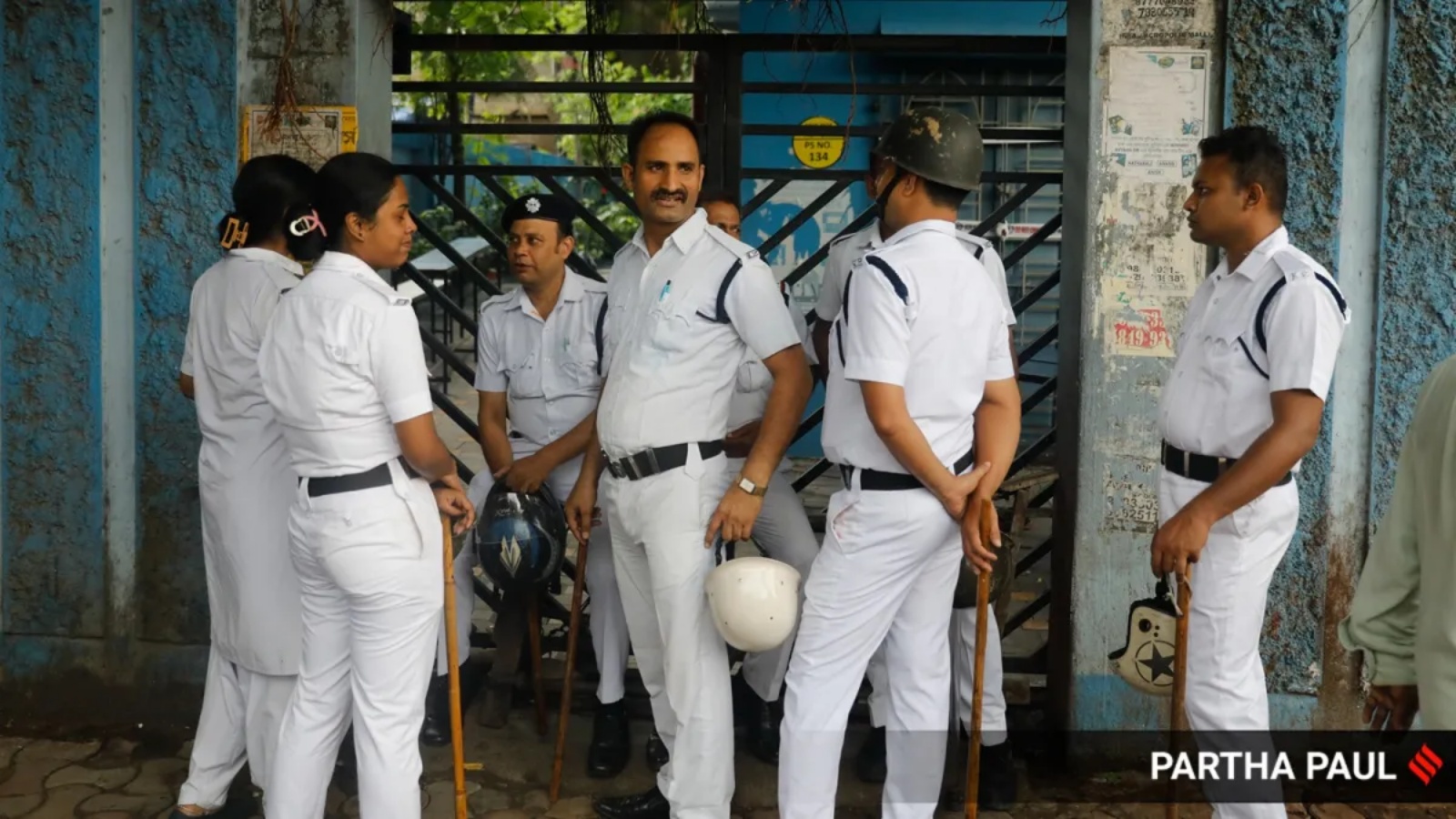
Tension gripped the Tollygunge area of South Kolkata on Sunday morning as Kolkata Municipal Corporation (KMC) bulldozers arrived at Satish Mukherjee Road to demolish a building. The move triggered immediate protests from local residents, who claimed the structure is a protected Waqf property. In a swift intervention, the Calcutta High Court stayed the demolition for 30 days.
During an emergency hearing, Justice Raja Basu Chowdhury noted that the affected petitioners had not been adequately informed of the impending action. Advocate Zohaib Rauf, representing the residents, argued that despite a pending petition, the KMC had abruptly pasted an eviction notice on August 21, giving residents only two days to vacate.
Why This Matters
BozokMedia analysis shows that this conflict highlights the delicate intersection of urban development, religious property rights, and heritage conservation laws in West Bengal. When municipal actions clash with Waqf-registered heritage sites, the legal ramifications can be extensive and long-lasting.
The court's decision emphasizes the necessity of due process, ensuring that citizens are not deprived of their right to a legal hearing before drastic administrative actions are taken.
Countering the petitioners, the KMC counsel maintained that the authorities had previously notified the occupants regarding "illegal constructions." The civic body argued that the residents continued to occupy the unauthorized portions despite warnings, necessitating the demolition drive. There was also a political dimension, with KMC officials claiming the building previously served as a Trinamool Congress party office, a claim residents vehemently denied.
The court's findings regarding the status of the property added a significant layer to the case. Records submitted to the bench revealed that the premises at 51/1A and 51/1B are duly registered with the Waqf Board and are designated as Grade-I heritage sites. The site is home to a heritage mosque, a mansard, and the tombs of Tipu Sultan.
While the High Court declined to rule on the merits of the KMC's demolition order itself, it emphasized that the petitioners must be allowed to pursue legal remedies. The bench granted the Waqf Board the liberty to remove illegal structures within the heritage site, with KMC providing necessary assistance for such removals if requested.
Frequently Asked Questions
1. Why did the High Court stay the demolition?
The court found that the petitioners were not given a meaningful opportunity to appeal the notice before the demolition was scheduled to occur.
2. What is the status of the disputed property?
The property is a Waqf-registered, Grade-I heritage site containing historical religious structures.