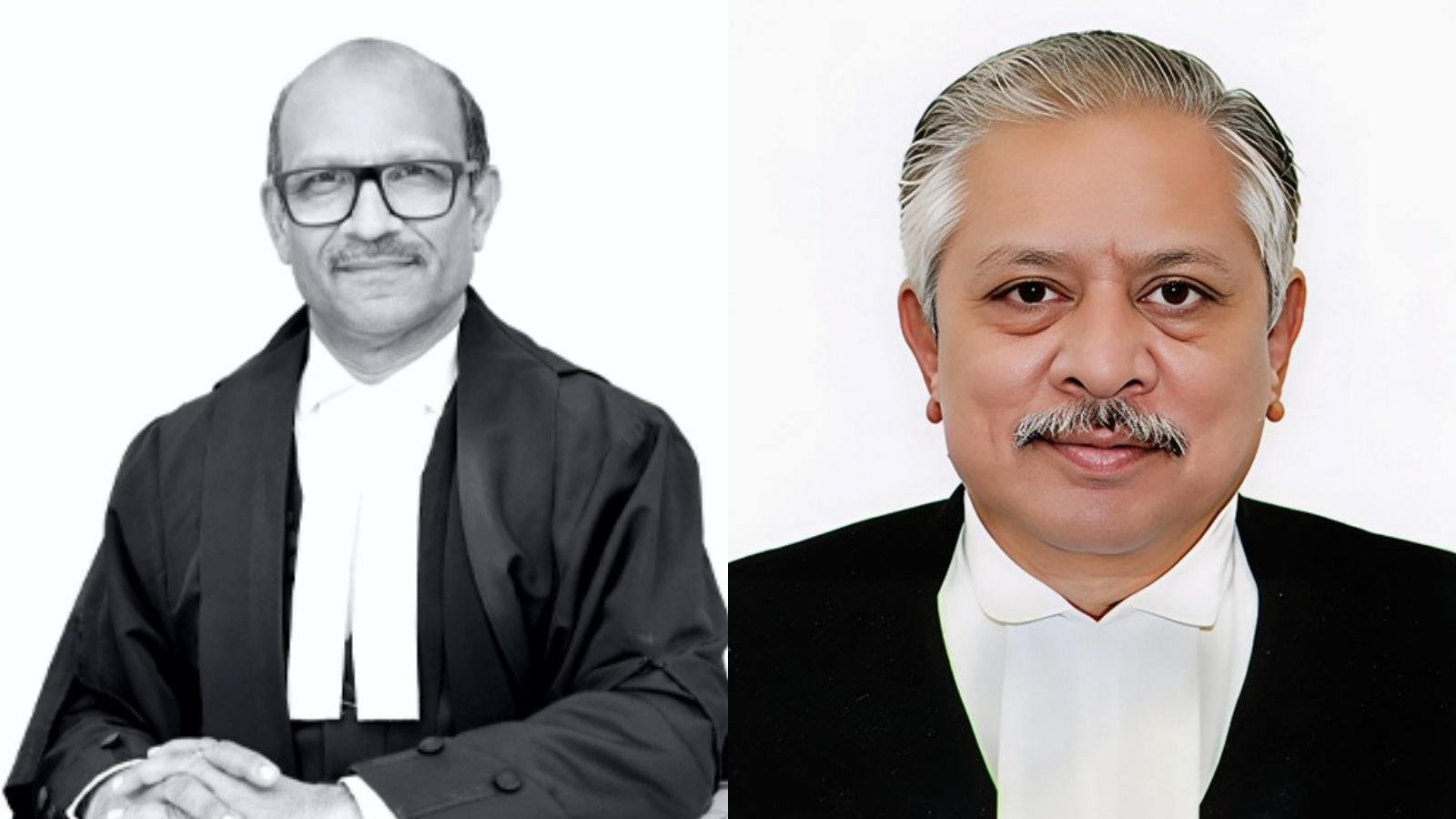
The Supreme Court has imposed a ₹5 lakh fine on each party for wasting judicial time for 11 years through a fabricated dispute, noting that the judge effectively became the subject of the trial.
- Supreme Court imposed ₹5 lakh fine on both parties.
- The court criticized the 'manufactured controversy' that lasted 11 years.
- Justice Vikram Nath observed that parties were not candid about the facts.
In a scathing indictment of litigants who misuse the legal system, the Supreme Court of India observed that in cases where parties are fully aware of the truth, "it is the judge who is on trial." A Bench led by Justice Vikram Nath delivered this verdict while dealing with a decade-long bitter dispute between a litigant and her former legal counsel.
The court expressed deep frustration over the fact that both parties had engaged in suppression of facts, embellishment, and frequent afterthoughts. Justice Nath remarked that the machinery of justice is not a playground for settling personal scores or salvaging reputations that individuals have themselves jeopardized through their own actions.
Historical Background of the Dispute
The legal battle originated over a decade ago when a woman accused a senior police officer in Maharashtra of sexual assault. She alleged that her lawyer had conspired with the officer, breached professional confidentiality, and caused irreversible damage to her dignity and mental peace. Seeking damages, she demanded ₹2 crore from the advocate.
The lawyer, however, contended that the allegations were a tactical move by the woman to sensationalize the matter for publicity and career advancement. While the Bar Council of India (BCI) had previously suspended the lawyer for two years, the matter reached the apex court as the woman sought enhanced punishment and the lawyer challenged the findings of professional misconduct.
Why This Matters
BozokMedia analysis shows that this judgment serves as a critical deterrent against the growing trend of 'theatrical litigation.' When the legal process is weaponized to create spectacles rather than seek justice, it creates a massive backlog, delaying relief for genuine litigants who are waiting in long queues for life-altering decisions.
A court is not an auditorium, and the drama of a case is no measure of its merit.
The Bench emphasized that the court must not be diverted by the 'theatre' of a case. To penalize the waste of judicial resources, the court ordered both the appellant and the respondent to pay ₹5 lakh each in costs.
Frequently Asked Questions (FAQ)
1. Why did the Supreme Court impose a fine?
The fine was imposed because the parties engaged in a manufactured controversy for 11 years, wasting precious judicial time.
2. What was the core allegation in the case?
The case involved allegations of professional misconduct and breach of confidentiality by a lawyer towards his client.