The Supreme Court has declined to entertain a petition challenging state-imposed restrictions on journalists and activists visiting government schools in Uttar Pradesh and Rajasthan. The plea sought to protect the right to document school infrastructure.
In a significant legal development, the Supreme Court of India on Thursday declined to intervene in a petition challenging the restrictive orders issued by the governments of Uttar Pradesh and Rajasthan. These orders barred journalists, social media influencers, and civil rights activists from entering government schools and prohibited activities such as photography, videography, and audio recording.
The Legal Challenge
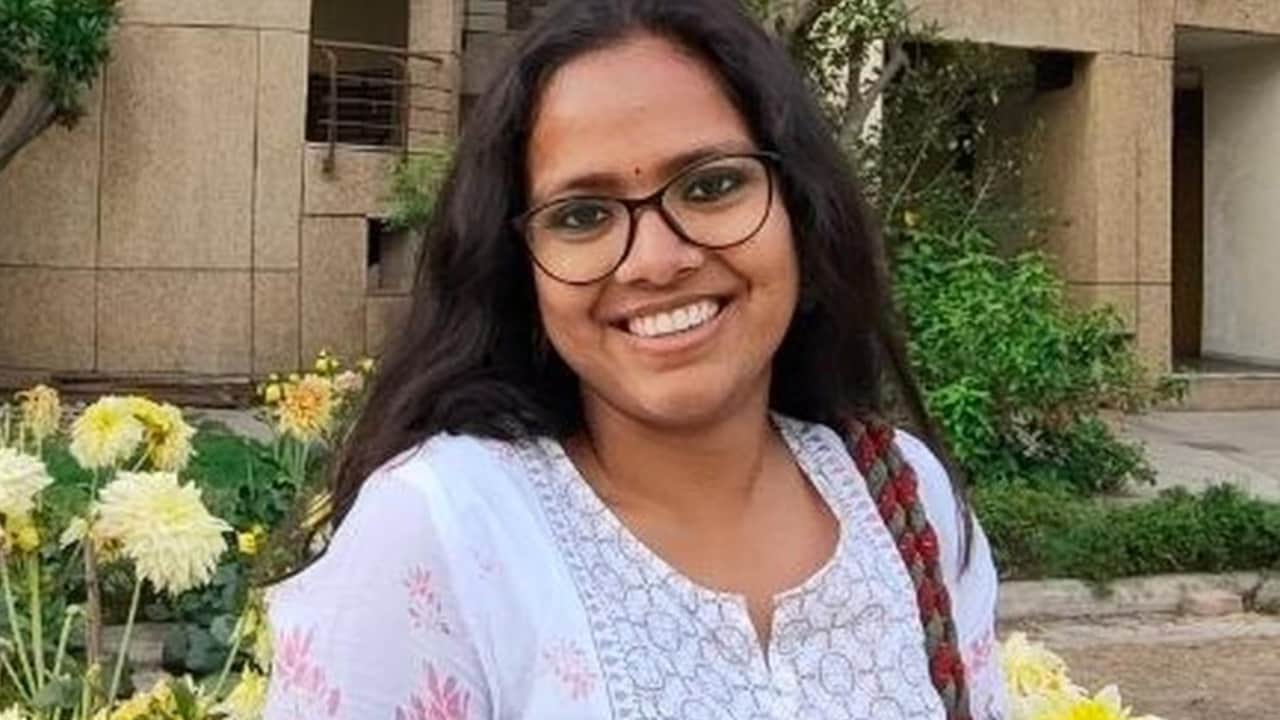
A Bench headed by Justice P.S. Narasimha refused to entertain the writ petition filed by Priya Mishra under Article 32 of the Constitution. The petition contested orders from the Rajasthan Director of Secondary Education and various District Basic Education Officers in Uttar Pradesh, including those in Ayodhya, Azamgarh, Ballia, Basti, Balrampur, Shamli, and Agra.
The petitioner argued that these blanket bans constitute a breach of the freedom to disseminate information. By preventing documentation, the orders effectively shield the state from scrutiny regarding the safety, sanitation, and dignity of students in government-run institutions.
Context: The 'School Thik Karo' Campaign
The legal battle follows the launch of the 'School Thik Karo' campaign by the Cockroach Janta Party (CJP). This initiative aims to audit and highlight the dilapidated infrastructure in rural government schools. Tensions reached a boiling point recently in Rajasthan's Jaipur district, where CJP members were reportedly assaulted by a mob while attempting to inspect a crumbling primary school in Rampura-Kanwarpura village.
Why This Matters
BozokMedia analysis shows that this ruling creates a challenging precedent for grassroots activism. When administrative orders can legally restrict the documentation of public services—ranging from drinking water to electricity—the mechanism of public accountability is severely weakened. This tension between administrative control and the right to information remains a critical friction point in Indian democracy.
The ability of the media to act as a watchdog in public educational institutions is essential for ensuring that state resources reach the intended beneficiaries.
Frequently Asked Questions
1. What specific activities are banned in these schools?
The orders prohibit photography, videography, interviews, audio recording, and live-streaming within school premises.
2. Which states are affected by these orders?
The restrictions are primarily active in Uttar Pradesh and Rajasthan, covering multiple districts.