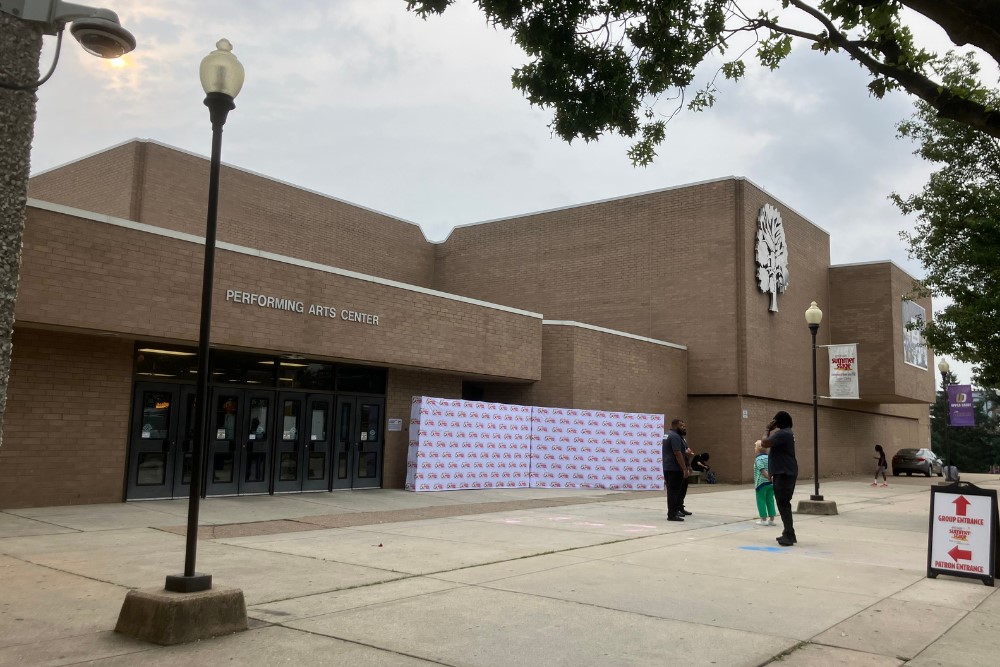
As Darby Township faces infrastructure challenges, slip and fall accidents are on the rise. Learn how aging sidewalks and commercial hazards are impacting residents and what legal recourse is available.
Key Takeaways
- Darby Township's aging infrastructure poses significant slip and fall risks.
- National Safety Council reports fall-related injuries account for 35% of preventable nonfatal injuries.
- Rand Spear legal team brings over 200 years of combined expertise.
- Property maintenance standards are critical in determining liability.
Darby Township, a densely populated Philadelphia suburb, is a complex tapestry of early-20th-century residential blocks and post-war commercial corridors. While its vibrant community thrives along MacDade Boulevard and Chester Pike, the aging infrastructure presents a growing danger. The variation in maintenance conditions—from renovated retail centers to uneven, historic sidewalks—creates a high-risk environment for pedestrians, employees, and residents alike.
Infrastructure Disparity and Accident Risks
The township’s development history plays a crucial role in its current safety profile. The mix of different construction eras has resulted in mismatched drainage, uneven pavement elevations, and inconsistent accessibility. In areas like the historic Calkhook neighborhood, tree root growth and weather exposure have caused cracked and raised sidewalk slabs, making routine walks hazardous. Rand Spear – The Accident Lawyer notes that these conditions are often preventable through proper maintenance and adherence to Pennsylvania property standards.
Why This Matters
BozokMedia analysis shows that in high-traffic zones like Darby Township, the intersection of commercial activity and aging public works creates a 'perfect storm' for personal injury claims. When property owners fail to address known hazards—such as icy SEPTA stops or cluttered supermarket aisles—the legal and human costs are substantial.
Slip and fall accidents are frequently the result of negligence in maintaining premises that are clearly known to be hazardous.
High-risk zones include transit hubs, apartment complexes with worn stairwells, and shared commercial parking lots. Liability often hinges on 'notice'—whether a property owner knew, or should have known, about the dangerous condition and failed to rectify it promptly.
Frequently Asked Questions
1. What constitutes negligence in a slip and fall case?
Negligence occurs when a property owner fails to maintain a safe environment or fails to warn visitors about a known hazard, such as a wet floor or broken sidewalk.
2. Can I sue if I fall on a public sidewalk?
It depends on whether the responsibility lies with the municipality or a private entity, and whether they failed to meet maintenance standards.