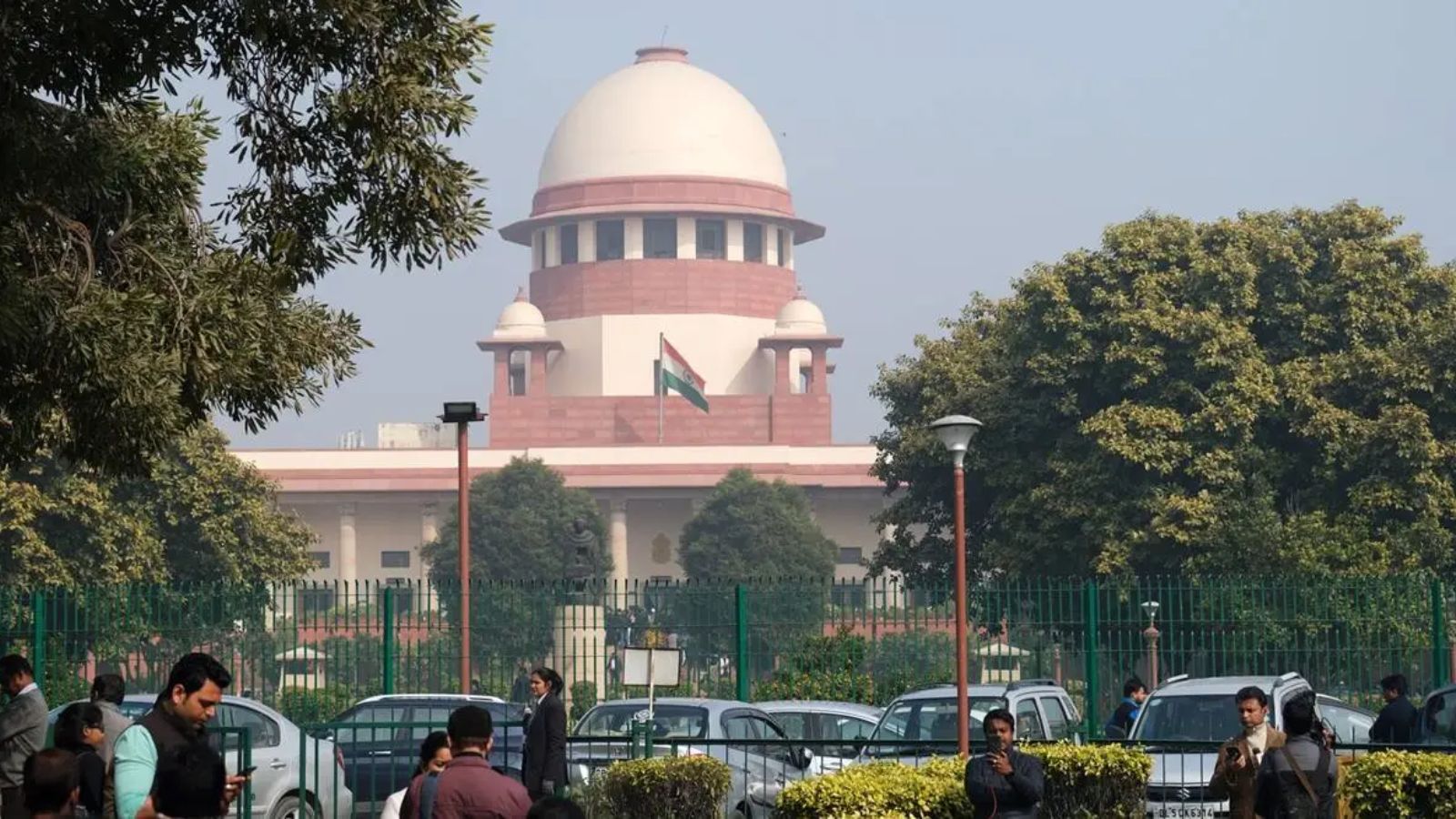
The Delhi High Court has dismissed a PIL seeking a review of Parliament's safety protocols, stating that security mechanisms fall under the domain of the executive and legislature.
Key Takeaways
- Delhi High Court declined to entertain PIL on Parliament security.
- The Bench ruled that security is the domain of the Executive and Legislature.
- Petition cited the 2001 attack and 2023 security breach as reasons for review.
The Delhi High Court on Wednesday declined to entertain a Public Interest Litigation (PIL) seeking a comprehensive review of the safety and security mechanisms of the Indian Parliament. A Bench comprising Chief Justice D.K. Upadhyaya and Justice Tejas Karia observed that matters regarding the administrative and operational affairs of Parliament fall strictly within the domain of the executive and the legislature.
During the proceedings, the Bench expressed strong reservations about the nature of the petition. "How can any such direction be issued with respect to the functioning of Parliament? Do you think the Parliament of this country is incapable of taking care of its own security?" the Bench remarked to the petitioner's counsel. The court emphasized that directing the internal operational mechanisms of a sovereign legislative body is not a judicial function.
Why This Matters
BozokMedia analysis shows that this ruling reinforces the doctrine of Separation of Powers in India. By refusing to intervene in the security protocols of the Parliament, the High Court has maintained the boundary between judicial oversight and legislative autonomy, preventing potential judicial overreach into matters of national security and institutional administration.
The judiciary must respect the functional autonomy of the Parliament to ensure the balance of power remains intact within a democracy.
The petition, filed by Raj Singh, argued that the existing security framework requires urgent updating in light of the 2001 terrorist attack and the 2023 security breach. The petitioner also highlighted the increasing frequency of mass mobilizations, such as 'Sansad Chalo' movements, which necessitate a robust security and cyber-security framework to protect the institution's integrity.
Historical Background
Parliamentary security has been a paramount concern since the devastating terror attack on December 13, 2001. While significant upgrades were made following that incident, the security breach in 2023 reignited debates regarding the vulnerability of the temple of democracy to modern threats, including technological and cyber-security challenges.
Frequently Asked Questions
1. What was the basis of the PIL?
The petitioner sought a review based on past security lapses (2001 and 2023) and the need to protect the institution during public demonstrations.
2. Why did the Court refuse to intervene?
The Court ruled that managing the security and administrative functions of Parliament is an executive and legislative responsibility, not a judicial one.