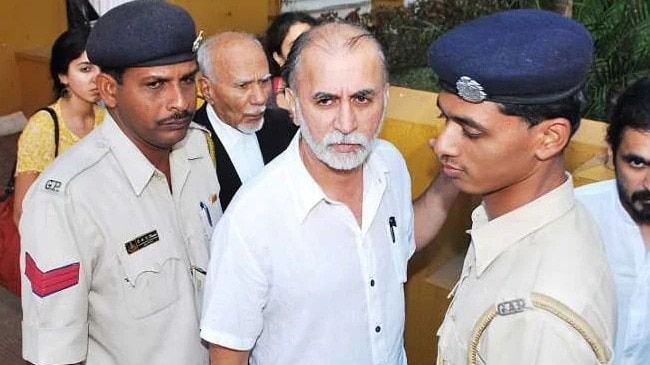
In a landmark ruling, the Bombay High Court has overturned the acquittal of former Tehelka editor Tarun Tejpal, convicting him in a 2013 sexual assault case. The court's decision marks a significant turn in a decade-long legal battle.
Key Takeaways
- Bombay High Court overturned the previous acquittal of Tarun Tejpal.
- The conviction pertains to a 2013 sexual assault case involving a junior colleague.
- The ruling marks a major victory for the survivor in a long-standing legal battle.
The Bombay High Court has delivered a monumental verdict, convicting former Tehelka editor and prominent journalist Tarun Tejpal in a 2013 sexual assault case. In a decisive move, the court set aside the previous acquittal granted by the lower court, reinstating the gravity of the allegations leveled against him.
Historical Background
The case dates back to 2013, when a junior colleague accused Tejpal of sexual assault and rape. The incident sent shockwaves through the Indian media industry, sparking widespread debates regarding workplace safety and the conduct of powerful figures in journalism. After years of legal maneuvering and intense scrutiny, the High Court has finally arrived at a conviction.
Why This Matters
BozokMedia analysis shows that this verdict serves as a critical precedent for workplace harassment cases in India. It underscores the judiciary's evolving stance on sexual violence and sends a clear message that professional stature does not grant immunity from criminal accountability. This case has been a litmus test for the #MeToo movement's impact on the Indian legal landscape.
Legal analysts suggest that this conviction reinforces the importance of survivor testimony and rigorous evidentiary standards in sexual assault trials.
The court's decision emphasizes that the evidence presented was sufficient to establish guilt beyond a reasonable doubt. This ruling is being hailed as a significant moment for justice in cases involving high-profile individuals.
Frequently Asked Questions
1. What was the previous status of the case?
Tejpal had previously been acquitted by a lower court, which the High Court has now overturned.
2. When did the incident take place?
The alleged incident occurred in 2013, leading to a decade of legal proceedings.