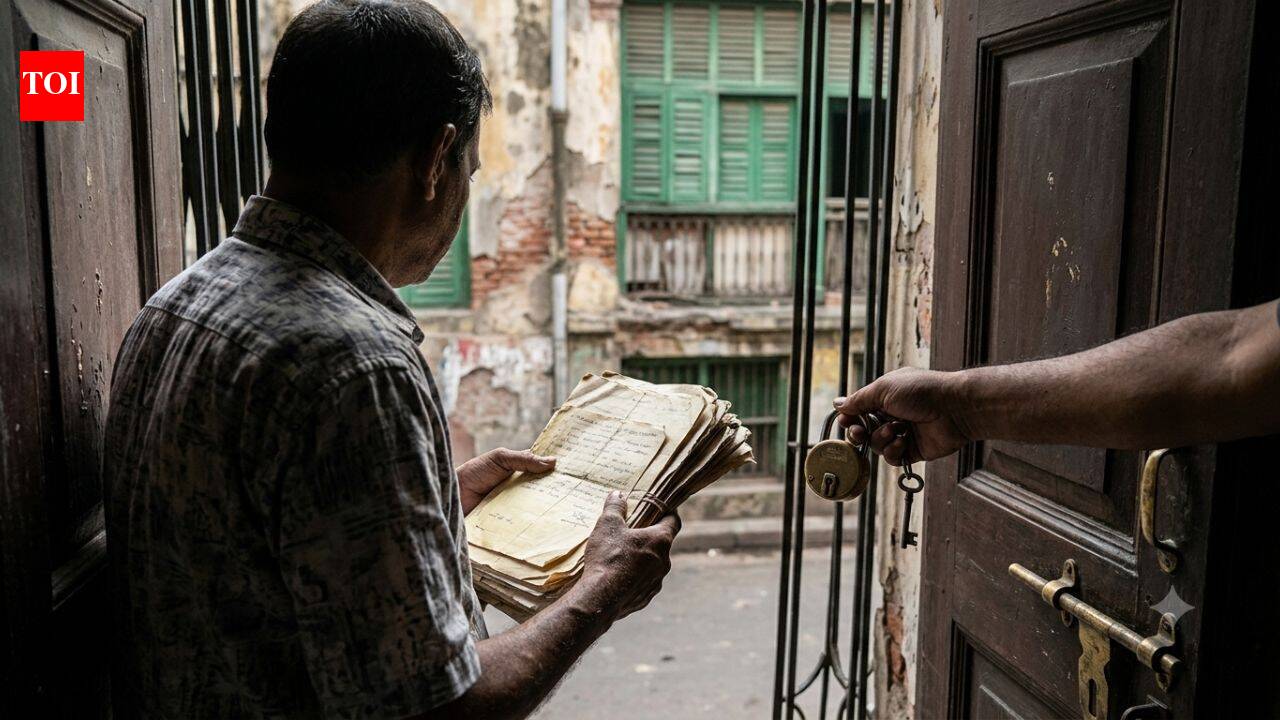
The Delhi High Court is set to deliberate on whether social media giants can legally suspend or delete user accounts based on copyright strikes. The case follows the wrongful suspension of content creator Saurabh Maurya's Instagram account due to fraudulent claims.
Key Takeaways
- Delhi High Court to review the legality of account deletions triggered by copyright strikes.
- The case originated from the wrongful suspension of creator Saurabh Maurya's Instagram account.
- Meta admitted that the copyright strikes used against the creator were fraudulent.
- The court will evaluate if current practices align with Supreme Court precedents.
The Delhi High Court is poised to address a critical legal question that impacts millions of digital creators worldwide: whether social media platforms possess the authority to suspend or permanently delete user accounts solely on the basis of copyright strikes. This legal scrutiny comes in the wake of a dispute involving content creator Saurabh Maurya.
Mr. Maurya's Instagram account was suspended following a series of copyright claims that were subsequently proven to be fraudulent. His legal counsel, senior advocate Diya Kapur, argued that third-party actors had misappropriated his content, manipulated upload timestamps, and then issued malicious strikes to claim ownership. This maneuver effectively silenced the original creator.
Why This Matters
BozokMedia analysis shows that the current copyright strike mechanism is increasingly being weaponized by bad actors to silence competition or harass creators. Without a robust verification process, social media algorithms act as judge, jury, and executioner. The court's decision will determine if these automated or semi-automated actions violate the principles of due process and freedom of expression established in landmark cases like Shreya Singhal v. Union of India.
The unchecked power of copyright strike mechanisms poses a significant threat to the digital economy and individual creative rights.
During the proceedings, Meta informed the court that the strikes in question were indeed fake and that Mr. Maurya's account has since been restored. However, the petitioner's counsel emphasized that mere restoration does not fix the systemic flaw in how platforms handle these strikes, making a judicial precedent necessary to protect users from future exploitation.
Historical Background
The legal landscape for digital rights in India has been shaped by pivotal judgments. The Shreya Singhal case is a cornerstone of online free speech, while MySpace Inc. v. Super Cassettes Industries Ltd. helped define the intermediary liability of platforms regarding copyrighted content. This upcoming ruling could further refine the boundaries of platform accountability.
Frequently Asked Questions
1. Can a platform restore my account if a strike is proven fake?
Yes, as seen in this case, Meta restored the account once the fraud was identified, but the legal battle continues regarding the policy itself.
2. What legal precedents will the court look at?
The court will specifically look at the principles of free speech and intermediary liability set by the Supreme Court and previous High Court rulings.