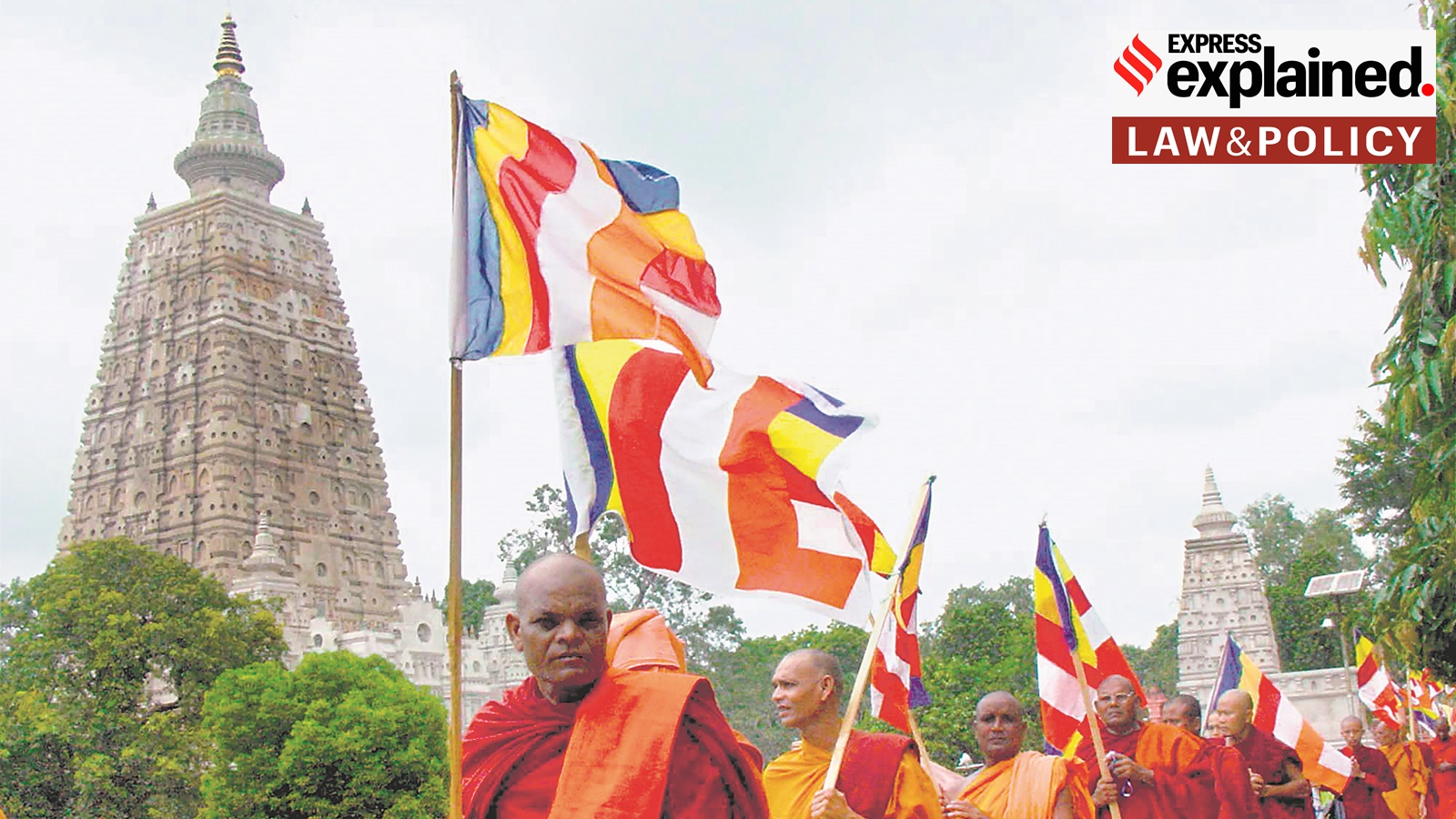
The Supreme Court has deferred hearing a plea challenging the constitutional validity of the Bodh Gaya Temple Act. The petition seeks exclusive Buddhist management of the Mahabodhi Temple, citing concerns over Hindu rituals at the site.
Key Takeaways
- The Supreme Court deferred the hearing on the Bodh Gaya Temple Act challenge until October.
- The petition seeks to repeal the 1949 Act in favor of total Buddhist administration.
- A core grievance is the inclusion of Hindu rituals, such as 'pindadan', within the temple complex.
- The case is linked to the broader constitutional questions regarding religious autonomy.
A significant legal confrontation has emerged regarding the management of the Mahabodhi Temple, one of the holiest sites in Buddhism. A Supreme Court bench, led by Chief Justice of India CYY Surya Kant, has deferred the hearing on a petition challenging the constitutional validity of the Bodh Gaya Temple Act until October.
The petition, filed by the Buddhist Society of India, demands the repeal of the 1949 Act and the implementation of a new Central law. The crux of the demand is that the "total management, control, and administration" of the shrine should be vested exclusively in the Buddhist community, rather than the current shared management structure involving Hindus.
Why This Matters
BozokMedia analysis shows that this case touches upon the delicate intersection of Articles 25 and 26 of the Indian Constitution, which guarantee religious freedoms. The dispute is not merely administrative but concerns the fundamental right of a religious denomination to manage its own affairs without external interference.
The legal struggle highlights a deep-seated tension between statutory shared governance and the demand for exclusive denominational autonomy at sacred sites.
The petitioners argue that the current framework allows for Hindu rituals, specifically 'pindadan' (ancestral offerings), to be performed on temple land. They contend that such practices blur the distinction between Hinduism and Buddhism and undermine the unique character of the site where Prince Siddhartha attained enlightenment.
Historical Background
Bodh Gaya is the site where Prince Siddhartha attained Nirvana in 589 BCE under the Bodhi tree. The site has been significant since the time of Emperor Ashoka in the 3rd century BCE. Today, the Mahabodhi Temple Complex is recognized as a UNESCO World Heritage Site.
| Feature | Current Status (1949 Act) | Petitioner's Demand |
|---|---|---|
| Management Committee | 4 Hindu and 4 Buddhist members | Exclusive Buddhist Control |
| Leadership | District Magistrate (Ex-officio) | Buddhist-led Administration |
| Ritual Practices | Hindu and Buddhist (includes Pindadan) | Strictly Buddhist Rituals |
Frequently Asked Questions
1. What is the primary goal of the petition?
The petition seeks to replace the 1949 Act with a law that grants Buddhists full administrative control over the Mahabodhi Temple.
2. Why is the Supreme Court hearing delayed?
The court has deferred the hearing to October to align with the expected judgment on the Sabarimala Temple reference, which will clarify religious autonomy rights.