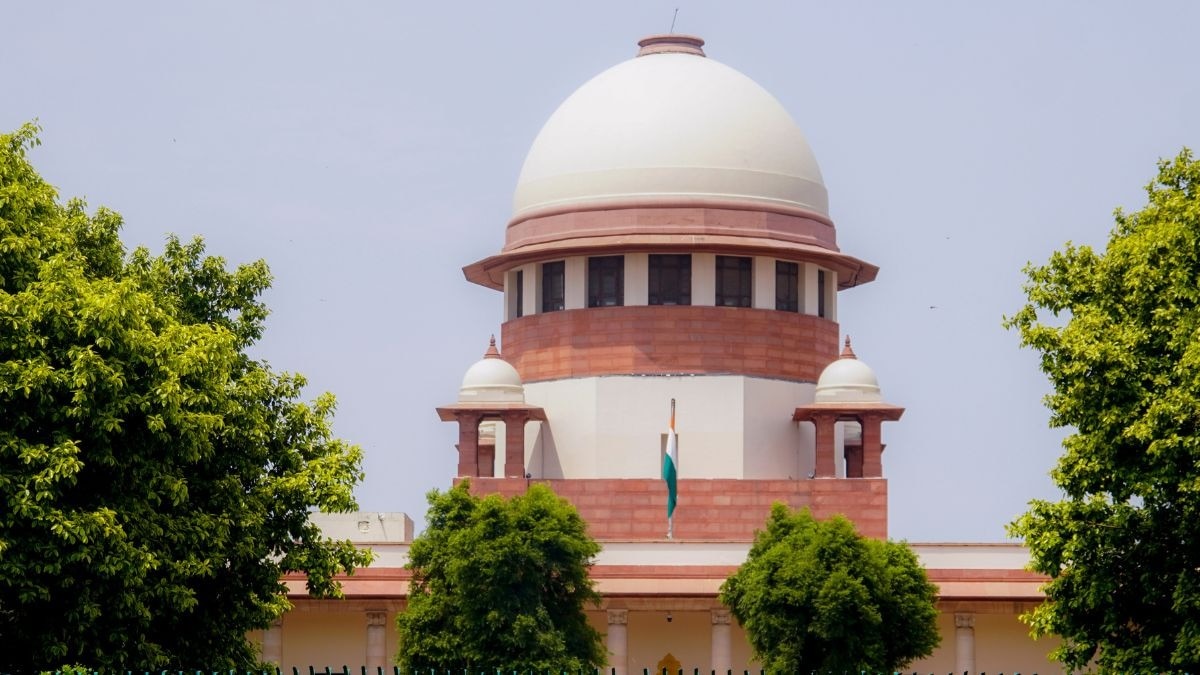
Addressing India's growing garbage crisis, the Supreme Court has mandated the integration of solid waste management into school curricula, empowering students to lead change within their homes.
- Supreme Court mandates waste management training in schools and colleges.
- Students to act as 'household supervisors' to educate their families.
- Bulk Waste Generators (BWGs) face water and electricity disconnection for non-compliance.
- District Collectors must identify all BWGs within six weeks.
In a landmark move to combat India's escalating solid waste crisis, the Supreme Court has issued stringent directions aimed at transforming public behavior. A bench comprising Justices SVN Bhatti and NV Anjaria criticized the "regrettable attitude" of citizens who feel entitled to generate waste but refuse the responsibility of segregating and disposing of it properly. The court emphasized that laws alone cannot foster civic sense; individual responsibility is paramount.
The court has directed the Departments of School Education and Higher Education to immediately integrate both theoretical and practical lessons on Solid Waste Management (SWM) into the curriculum. In a unique psychological approach, the bench observed that an educated child is the most effective and least coercive instrument for educating parents and relatives about waste segregation at home.
Why This Matters
BozokMedia analysis shows that with a population exceeding 1.4 billion, the scale of waste generation in India has outpaced the capacity of traditional sanitation systems. Relying solely on municipal workers is no longer a sustainable model. By institutionalizing waste management education, the judiciary is attempting to create a generational shift in how waste is perceived—moving from a 'nuisance to be discarded' to a 'resource to be managed.'
"Law can secure cooperation only by prescribing rules and consequences. It cannot, by itself, generate civic behaviour."
The court's directions extend beyond the classroom to strict enforcement for Bulk Waste Generators (BWGs). Large-scale entities such as commercial complexes, hotels, and institutions must comply with segregation and safe storage rules. To ensure compliance, the court has empowered District Collectors to temporarily disconnect water and electricity services to violators, restoring them only upon submission of a compliance certificate.
Historical Background: For decades, India's waste management has struggled with the lack of source segregation. Most municipal waste ends up in overflowing landfills, causing severe environmental degradation and health hazards. The implementation of the SWM Rules, 2026 represents a massive regulatory effort to move toward a circular economy and scientific waste processing.
Frequently Asked Questions
1. How will students contribute to waste management?
Students will receive training to act as household-level supervisors, teaching their families how to properly segregate biodegradable and non-biodegradable waste.
2. What are the consequences for businesses that don't manage waste?
Non-compliant bulk waste generators can face the disconnection of essential services like water and electricity.
