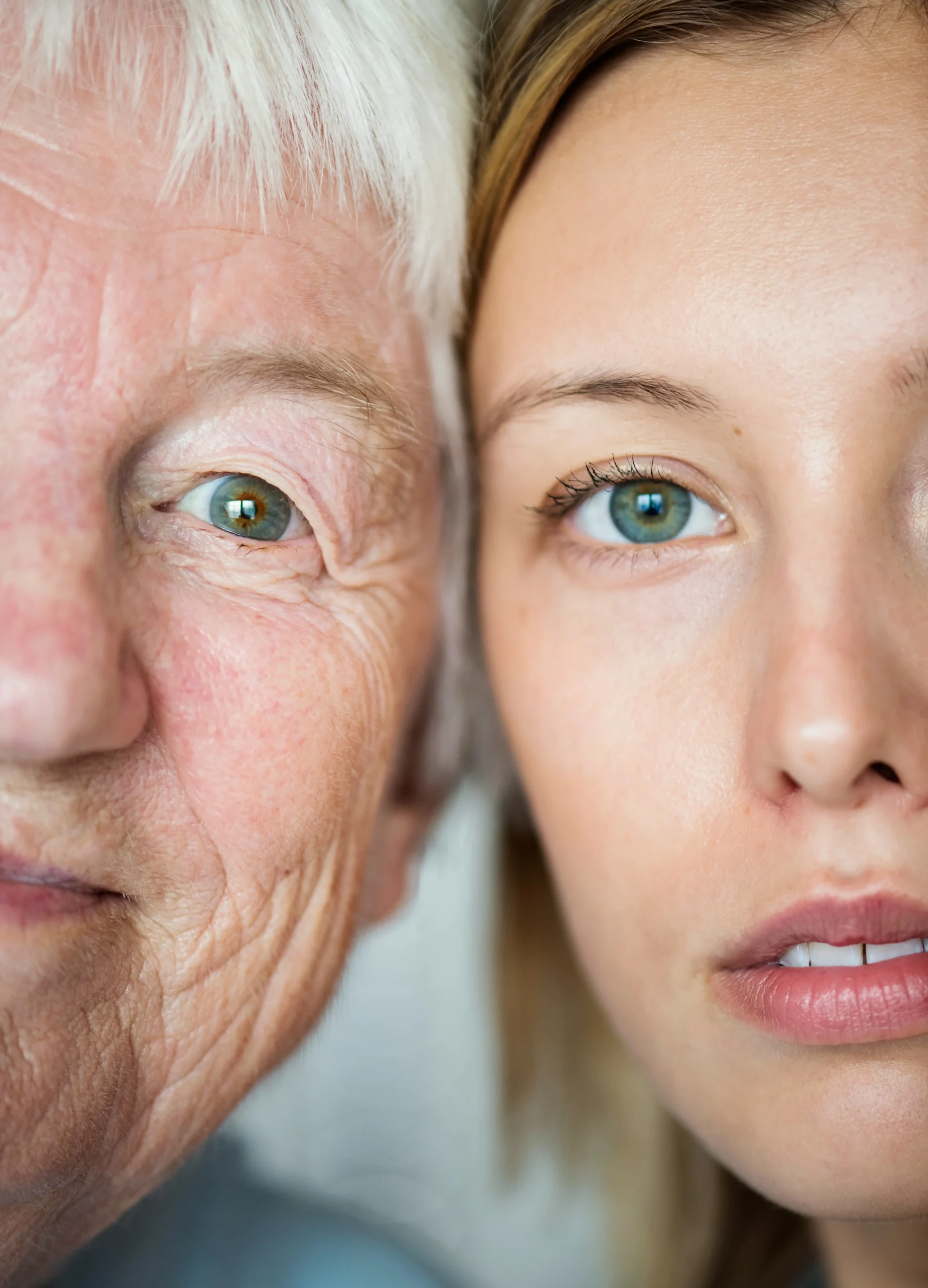
As parents age, the roles of protector and protected undergo a profound reversal. This deep dive explores the emotional complexities and the importance of presence during this transition.
Key Takeaways
- Ageing parents trigger a shift from being the 'protected' to becoming the 'caregiver.'
- Witnessing physical decline can induce feelings of grief, guilt, and frustration.
- Quality time and open communication are the most valuable gifts for ageing parents.
The ageing of our parents is akin to a classroom where we learn to give more than we are used to receiving. It is a period marked by a profound shift in the family dynamic, where the very pillars that once shielded us from life's storms begin to show signs of fragility.
The Psychological Shift of Caregiving
Psychologist Stephanie Krauthamer Ewing notes that a parent's ageing equates to a child losing their status as a protected person. We find ourselves stepping into the role of protector, a transition that can feel abrupt and overwhelming. This reversal often brings a sense of mourning for the invincible figures we once knew.
A parent’s ageing is like the sudden announcement that the roof built to shield us is about to collapse.
Why This Matters: BozokMedia Analysis
BozokMedia analysis shows that in our modern, high-speed era, the most significant challenge is not just physical care, but the emotional reconciliation with loss. We often realize too late that the greatest resource we have is not money or medical care, but the simple presence of our time and the depth of our communication.
Bridging the Generational Gap
Psychotherapist Julia Samuel suggests that "It’s the things we haven’t said, that we haven’t asked, that do us harm." Using this stage of life to mend relational fractures and to leverage their wisdom can restore a sense of purpose to our ageing parents, making them feel valued rather than just managed.
Frequently Asked Questions
1. How can I manage the guilt of not being able to do enough?
Accept that you cannot be perfect; focus on the quality of the time you do spend with them.
2. What is the best way to discuss end-of-life topics?
Approach it with empathy and patience, framing it as a way to honor their wishes and ensure their comfort.