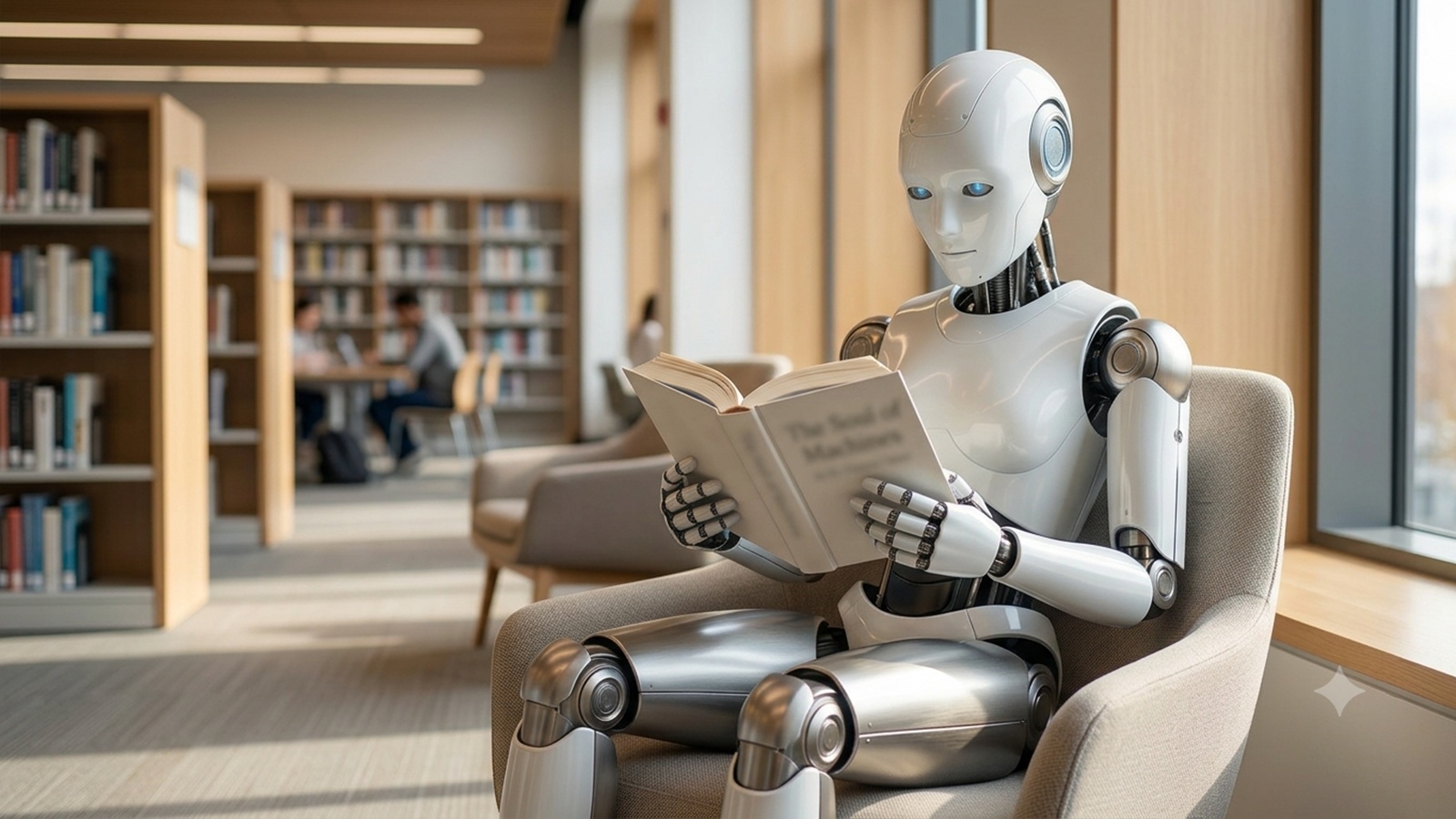
As AI firms like Anthropic digitize and discard physical books to train machine learning models, the essence of reading is shifting from deep engagement to mere information extraction.
Key Takeaways
- AI companies are digitizing and discarding physical books to feed machine learning models.
- The shift treats books as mere data vessels rather than cultural and intellectual artifacts.
- This process risks losing the nuanced, unpredictable human connection between reader and author.
Reports suggest that AI giants, including Anthropic, are acquiring and subsequently destroying thousands of printed books after digitizing their contents. This trend highlights a seismic shift in the global economy of knowledge, where the physical book is being stripped of its sanctity to serve the hunger of machine learning algorithms.
For centuries, books have been more than just containers of information. They are vessels of human experience, complete with the marginalia of readers, the texture of paper, and the slow, deliberate pace of contemplation. By reducing a book to a statistical pattern, AI risks destroying the very 'friction' that allows readers to challenge their own beliefs.
Why This Matters
BozokMedia analysis shows that while AI can democratize access to information, it fundamentally alters the social architecture of learning. Instead of navigating an author's complex argument through a library, users are increasingly fed synthesized answers. This bypasses the intellectual journey, providing the 'what' without the 'how' or the 'why.'
When we reduce literature to data points, we sacrifice the unpredictable human encounter that drives intellectual revolution.
Historically, figures like the 16th-century miller Menocchio used books to construct entirely new cosmologies, challenging the orthodoxy of their time. If reading becomes merely an efficient retrieval of facts, we may lose the generation of 'unruly readers' who turn information into wisdom and dissent.
Frequently Asked Questions
1. Why is AI training so dependent on physical books?
High-quality, diverse, and structured text found in printed books is essential for teaching AI models the nuances of human language and logic.
2. Is digital reading the same as physical reading?
While digital formats offer convenience, they often lack the tactile and psychological depth associated with the physical act of engaging with a printed object.