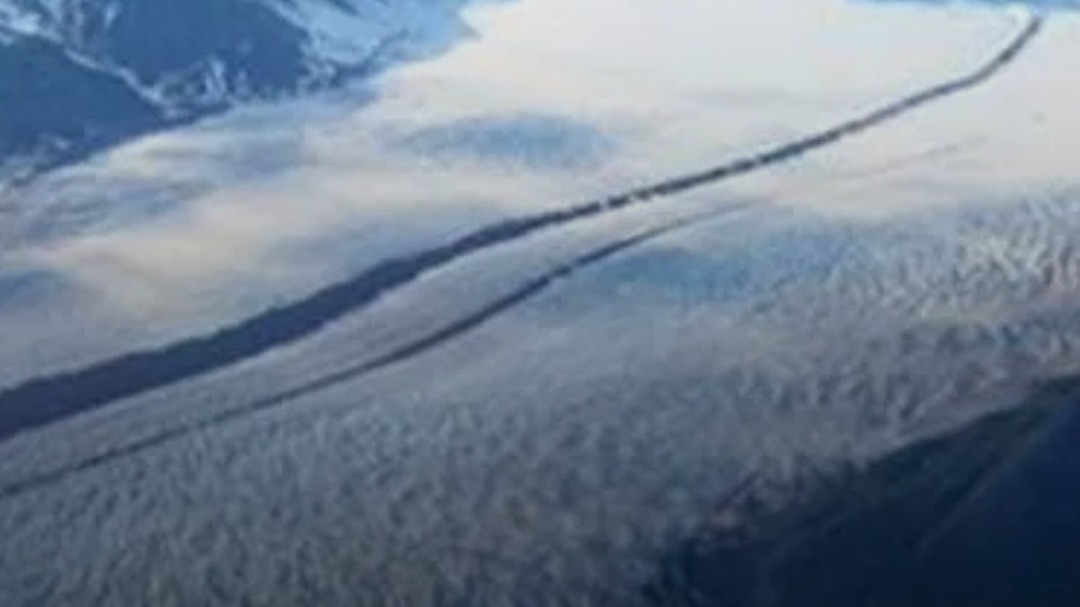
Following recent glacial instabilities in Nepal, 13 critical glacial lakes in Uttarakhand have been classified as 'sensitive.' Experts warn of rising risks due to climate change.
- 13 major glacial lakes in Uttarakhand declared 'sensitive.'
- Heightened monitoring following recent glacial events in Nepal.
- Rising threat of GLOF (Glacial Lake Outburst Floods) due to global warming.
In a significant development concerning Himalayan safety, 13 glacial lakes in Uttarakhand have been officially categorized as 'sensitive.' This classification comes in the wake of recent glacial instability and lake-related concerns observed in neighboring Nepal, raising alarms about the stability of the high-altitude water bodies in India.
The primary concern revolves around the phenomenon of Glacial Lake Outburst Floods (GLOFs). As temperatures rise globally, glaciers are retreating at an unprecedented rate, depositing vast amounts of meltwater into natural basins. These basins, often held back by unstable moraines (debris and rocks), are increasingly prone to sudden breaches.
Why This Matters
BozokMedia analysis shows that the sensitivity of these lakes poses a direct threat to downstream communities, infrastructure, and biodiversity. The rapid shift in Himalayan hydrology necessitates a more robust early warning system and a fundamental shift in how mountain regions approach disaster preparedness.
The accelerating melt of Himalayan glaciers is no longer a distant threat; it is an immediate hydrological crisis for the entire region.
Historical Background: The fragility of the Himalayan ecosystem was starkly demonstrated during the 2013 Kedarnath tragedy, where extreme weather and glacial movements led to massive loss of life. The current identification of these 13 lakes aims to prevent a repeat of such catastrophic scenarios by identifying high-risk zones before a breach occurs.
Authorities are now looking toward integrating satellite-based monitoring and automated sensor networks to track water levels and structural integrity in real-time. This proactive stance is crucial as the window for preventative action narrows with every passing summer.
Frequently Asked Questions
1. What makes these lakes 'sensitive'?
They are at risk of breaching their natural barriers due to increased meltwater pressure and geological instability caused by warming temperatures.
2. How is the government responding?
The government is focusing on enhanced surveillance, using satellite technology and real-time monitoring to mitigate the risk of sudden floods.