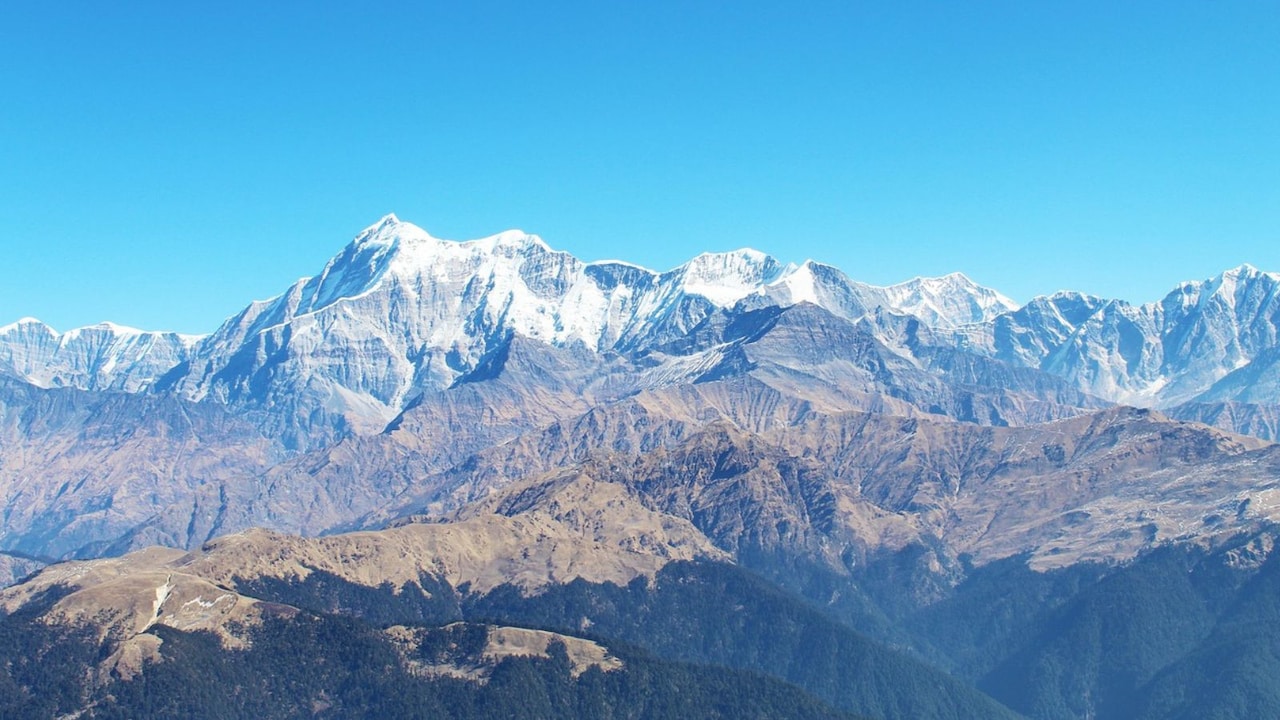
As the Himalayan cryosphere undergoes rapid changes, the proposed closure of vital research facilities threatens the water security of billions who depend on glacial melt.
- Himalayan glaciers serve as the primary freshwater towers for billions of people.
- Rapid changes in the cryosphere are increasing exposure to natural hazards.
- Reducing research infrastructure could blind policymakers to impending water crises.
The Himalayas, often referred to as the 'Water Towers of Asia,' are facing an unprecedented existential threat. Recent discussions regarding the closure of critical glacier research facilities have sparked intense debate among environmentalists and global policymakers. The core of the issue lies in the increasing vulnerability of the cryosphere due to rapid climatic shifts.
Billions of people across Asia rely on the seasonal melt from Himalayan snow and ice for drinking water, agriculture, and hydropower. As the glaciers recede at an alarming rate, the stability of these water sources becomes increasingly uncertain, posing a direct threat to regional food and water security.
Why This Matters
BozokMedia analysis shows that the loss of specialized research infrastructure will create a massive data vacuum. Without continuous, real-time monitoring of glacial movement and melt rates, our ability to predict catastrophic events like Glacial Lake Outburst Floods (GLOFs) or long-term droughts will be severely compromised.
Closing research stations in the midst of a climate crisis is akin to turning off the lights while navigating a minefield.
Historically, the Himalayan region has maintained a delicate ecological balance that regulates the monsoon patterns of the entire subcontinent. However, the accelerating changes in the cryosphere are disrupting these traditional cycles, leading to more frequent and unpredictable weather extremes.
The implications of these changes extend far beyond environmental science; they are deeply rooted in geopolitics and human survival. The stability of nations in South and Central Asia is inextricably linked to the health of these mountain ecosystems.
Frequently Asked Questions
1. Why are Himalayan glaciers important?
They are the primary source of freshwater for billions of people, feeding major river systems in Asia.
2. What is the 'cryosphere'?
The cryosphere refers to the portions of Earth's surface where water is in solid form, including glaciers, ice caps, and snow.