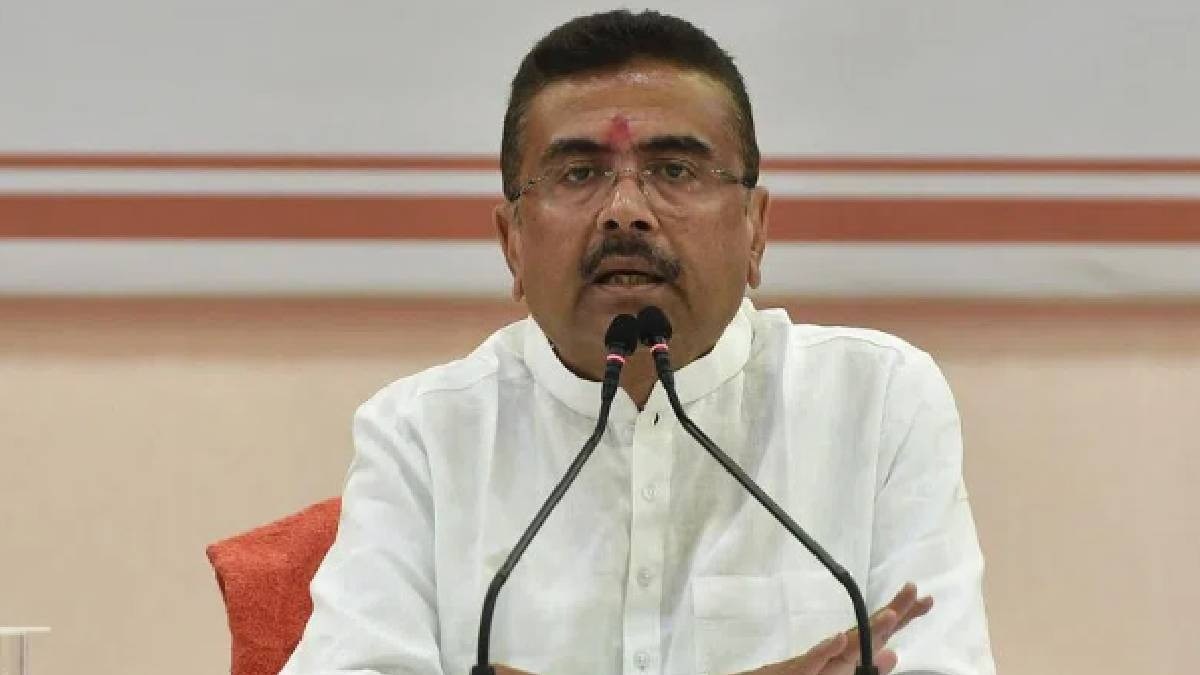
The West Bengal government has announced a massive overhaul of urban services, introducing QR-coded waste collection and a massive food recovery initiative for the underprivileged.
Key Takeaways
- Unique QR codes will be assigned to every urban household for waste tracking.
- GPS technology will be implemented for real-time monitoring of garbage vehicles.
- A cold-chain network will be established to distribute surplus food from hotels to the poor.
- 'Maa Ahar' canteens will upgrade to include seating arrangements for dignity.
In a significant move towards modernizing urban civic services, the West Bengal government has unveiled a comprehensive package of tech-led municipal reforms. During the discussion on the Urban Development and Municipal Affairs budget in the Assembly, Minister Agnimitra Paul detailed plans to enhance accountability and transparency through advanced technology.
Smart Sanitation and GPS Monitoring
To ensure 100% door-to-door waste collection and segregation at the source, the government plans to issue a unique QR code to every household in urban areas. This will be complemented by fitting all waste collection vehicles with GPS trackers, allowing authorities to monitor routes in real-time and prevent service gaps. Currently, around 75,000 'Nirmal Bandhus' are managing these operations.
Humanitarian Food Recovery Initiative
Addressing the critical issue of food wastage, the state will launch a food recovery program. Surplus food from hotels, restaurants, and social events will be collected and stored via a dedicated cold-chain network. To ensure safety, all collected food will undergo strict quality checks by food safety officers before being distributed to economically disadvantaged populations.
Integrating real-time tracking with social welfare measures marks a paradigm shift in how municipal bodies serve their citizens.
Why This Matters
BozokMedia analysis shows that these reforms target the core of urban sustainability. By combining waste management with food security, West Bengal is attempting to build a 'circular economy' that minimizes environmental impact while maximizing social dignity for the urban poor.
Infrastructure Expansion
The government is aggressively expanding its waste processing capacity. While 16 plants are operational, 67 more are under construction. A major goal has been set to clear all legacy waste dumps by May 31, 2027. Additionally, the subsidized 'Maa Ahar' scheme will see upgrades, providing seating arrangements to ensure that meals are consumed with dignity rather than standing in queues.
Frequently Asked Questions
1. How will the QR code help citizens?
It ensures that waste collection services are regular and provides a way to track service delivery at the household level.
2. How will the food safety be ensured?
A dedicated cold-chain network and mandatory testing by food safety officers will guarantee the quality of redistributed food.


