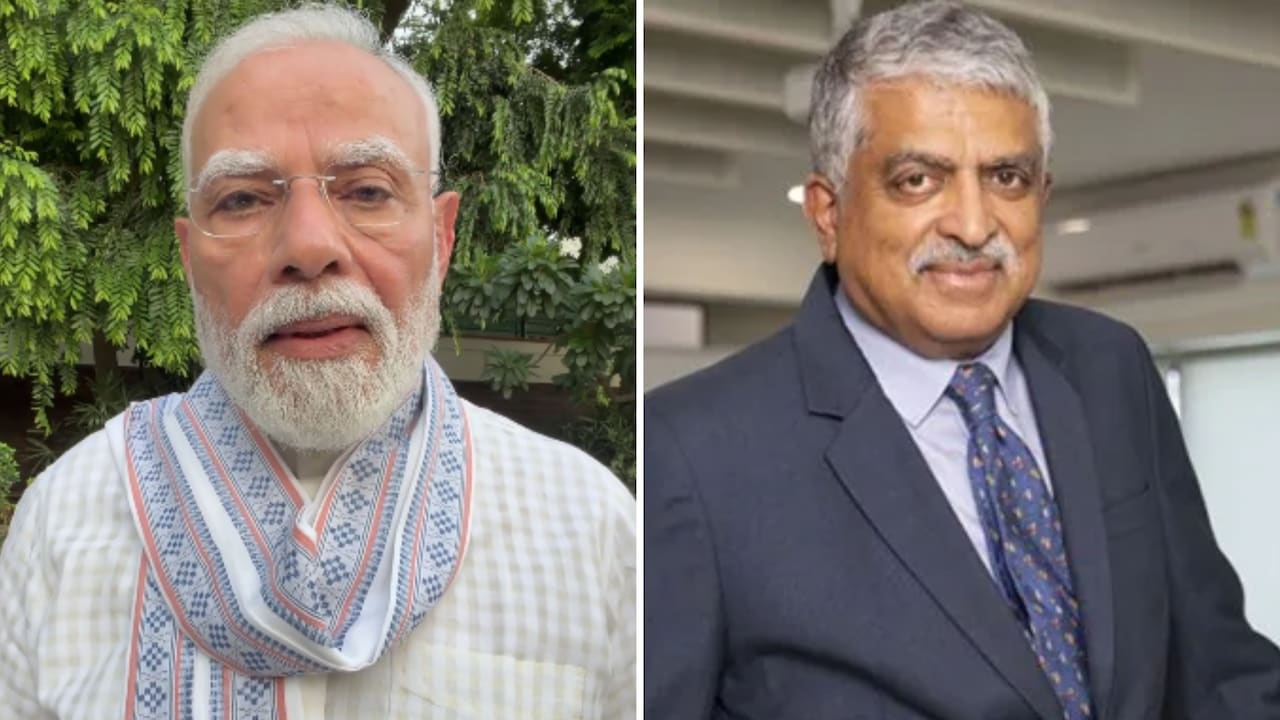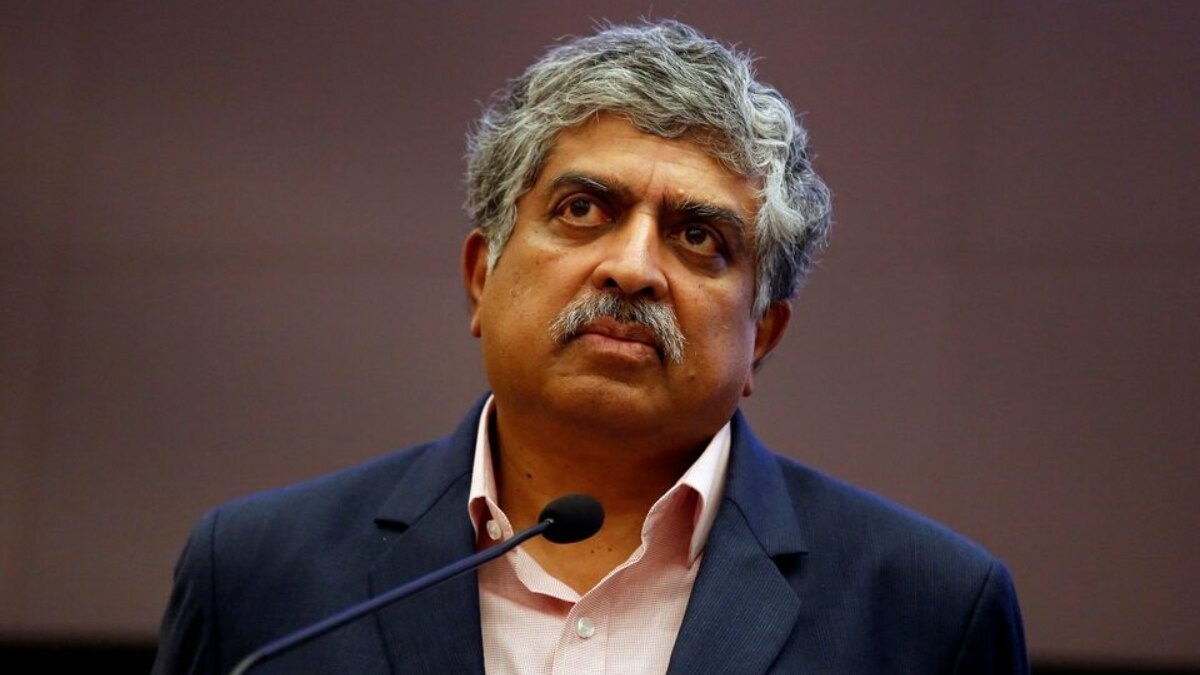
Prime Minister Narendra Modi has constituted a high-powered task force headed by Infosys co-founder Nandan Nilekani to overhaul India's examination system and ensure transparency.
Key Takeaways
- High-powered task force formed under Nandan Nilekani's leadership.
- Aim to recommend comprehensive reforms in the national examination system.
- Government moving toward stringent new laws to tackle irregularities.
- Focus on leveraging technology to ensure exam credibility.
Prime Minister Narendra Modi announced on Sunday the formation of a high-powered task force aimed at recommending transformative reforms to India's examination system. The panel will be headed by globally renowned technology expert and Infosys co-founder Nandan Nilekani.
In a video message shared on X, the Prime Minister emphasized the government's commitment to safeguarding the future of students. Taking a stern stance against malpractice, PM Modi stated that those who "played with the future of students" are already facing legal consequences and imprisonment. The government is not just reacting to leaks but is actively building a proactive defense system.
Why This Matters
BozokMedia analysis shows that the integrity of competitive examinations is a cornerstone of social mobility in India. Frequent instances of paper leaks and institutional irregularities have historically eroded student confidence. By appointing a tech visionary like Nilekani, the government aims to transition from a manual-heavy oversight model to a technology-driven, secure architecture.
"The integration of advanced technology into the examination lifecycle is no longer optional; it is a necessity for national credibility."
The Prime Minister further revealed that the Centre has already introduced a 'fast' code and is preparing to bring a new, stringent law in Parliament. This legislation is expected to contain heavy penalties and strict provisions to deal with any examination-related irregularities, ensuring that the sanctity of merit is maintained.
Historical Background
Over the past few years, several high-profile examination leaks in India have sparked nationwide protests and legal battles. These incidents highlighted systemic vulnerabilities in how exams are conducted, stored, and distributed, prompting the government to seek long-term, structural solutions rather than temporary fixes.
Frequently Asked Questions
1. What is the primary goal of the Nilekani-led task force?
The primary goal is to recommend systemic reforms that enhance the reliability, transparency, and technological security of India's examination processes.
2. Will there be new laws regarding exam leaks?
Yes, the Prime Minister indicated that the government is working on bringing a new law with stringent provisions to Parliament to tackle irregularities.