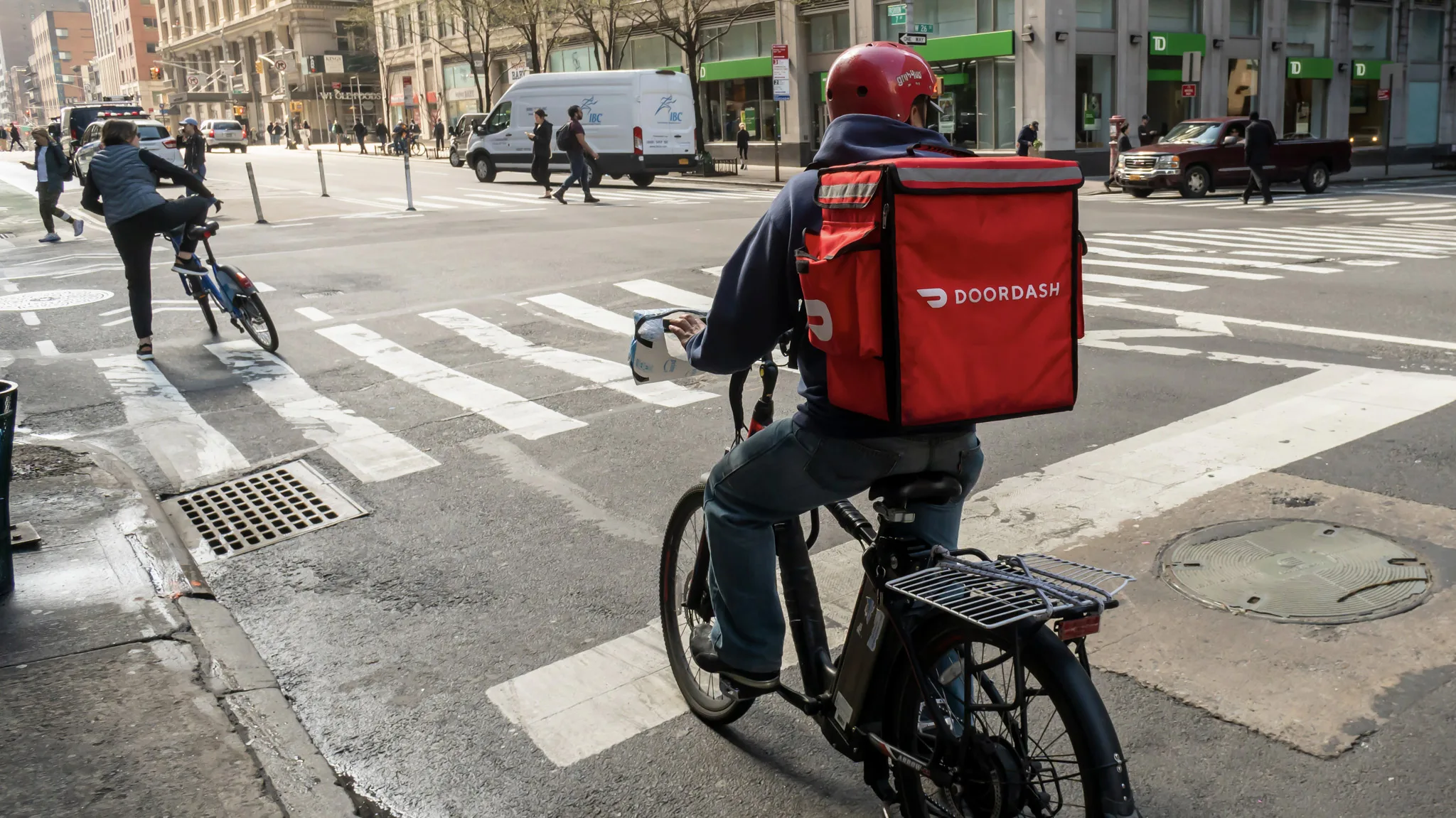
New York City's crackdown on deceptive tipping practices has resulted in an extra $104 million for delivery workers. The new laws ensure transparent tipping options at checkout.
Key Takeaways
- Delivery workers earned a collective $104 million in additional tips since the new law took effect.
- Local Laws 107 and 108 mandate transparent tipping options at checkout.
- The law prevents apps from hiding tip buttons to protect corporate profits.
- Delivery demand has actually increased to a record 3.3 million orders per week.
In a major victory for the gig economy, New York City delivery workers have seen a significant financial windfall. Following the implementation of new city laws aimed at curbing deceptive practices by app-based delivery platforms, approximately 70,000 delivery workers have collectively earned an estimated $104 million in additional tips.
The legislation, known as Local Laws 107 and 108, went into effect on January 26. These laws require restaurant and grocery apps to provide transparent tipping options during the checkout process. Before these regulations, companies like Uber Eats and DoorDash were accused of making it intentionally difficult for customers to tip, a tactic used to bypass the city's historic minimum wage law of $22.13 per hour.
Why This Matters
BozokMedia analysis shows that this shift represents a fundamental change in the power dynamic between big tech and frontline workers. By forcing transparency, the city has effectively reclaimed millions of dollars that were previously lost due to platform manipulation. The financial impact is substantial, with workers expected to earn an additional $184 million annually, averaging roughly $2,287 more per worker.
"For years, delivery apps buried the tip button to pad their own bottom line, and delivery workers paid the price," said Mayor Zohran Mamdani.
Tipping Impact Analysis
| Metric | Pre-Law Implementation | Post-Law Implementation |
|---|---|---|
| Avg. Tip Per Delivery | $1.18 | $2.29 |
| Weekly Order Volume | Lower (Historical) | 3.3 Million (Record High) |
Despite fierce opposition from industry giants who claimed the law would act as a 'tax' on consumers, the data tells a different story. Instead of a decline, delivery demand has surged, with weekly orders hitting a record high of 3.3 million. This proves that transparency does not deter consumers; rather, it empowers them to support hardworking individuals.
Frequently Asked Questions
1. What were the deceptive practices used by apps?
Apps were accused of hiding the tipping screen or placing it after checkout to discourage customers from adding tips.
2. Did the law increase delivery costs for consumers?
While companies argued it would, actual data shows no measurable negative impact on demand, which has actually grown.