Authorities in Hapur and Delhi have imposed strict bans on the sale of meat, fish, and eggs along pilgrimage routes to ensure a peaceful Kanwar Yatra. Legal action awaits violators.
Key Takeaways
- Hapur administration ordered closure of all non-veg outlets from July 26.
- Delhi prohibits meat sales along Yatra routes and near pilgrim camps.
- Strict legal action warned against any establishment violating the order.
- MCD to conduct intensive sanitation drives and remove encroachments.
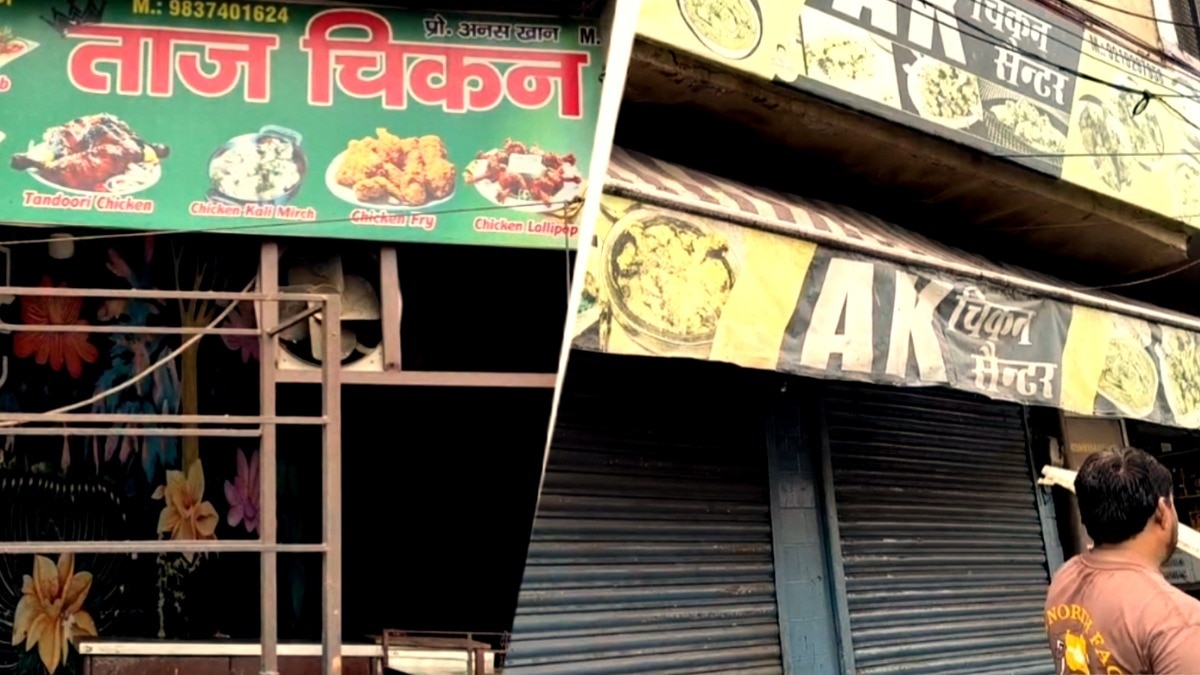
In a significant move to ensure the peaceful conduct of the annual Kanwar Yatra, the district administration in Uttar Pradesh's Hapur has ordered the complete closure of all meat, fish, egg, and other non-vegetarian food establishments. The order, effective from July 26, remains in place until further notice.
District Magistrate Kavita Meena confirmed that the directive aims to maintain the sanctity of the pilgrimage and prevent any disruption to the religious sentiments of the devotees. Authorities have emphasized that continuous surveillance is being maintained, and any violation of these orders will result in stringent legal consequences for the owners.
Why This Matters
BozokMedia analysis shows that such administrative measures are critical during large-scale religious gatherings to manage public order and mitigate potential communal friction. The influx of millions of pilgrims necessitates strict regulation of food outlets to ensure a harmonious atmosphere along the transit routes.
Administrative restrictions during major pilgrimages are standard protocols to maintain public decorum and safety.
Strict Enforcement in Delhi
The restrictions extend beyond Uttar Pradesh, as the administration in Delhi has also barred the sale of non-vegetarian food along the Kanwar Yatra routes and near various pilgrim camps. The Municipal Corporation of Delhi (MCD) has issued directives to its 12 zones to crack down on unauthorized meat shops and ensure licensed outlets adhere to strict permit conditions.
To support the 308 scheduled Kanwar camps across the capital, the MCD has also ordered intensive sanitation drives. This includes deep cleaning, removal of overgrown vegetation, and 24/7 garbage collection managed through three-shift worker deployments to ensure cleanliness for the devotees.
Historical Background
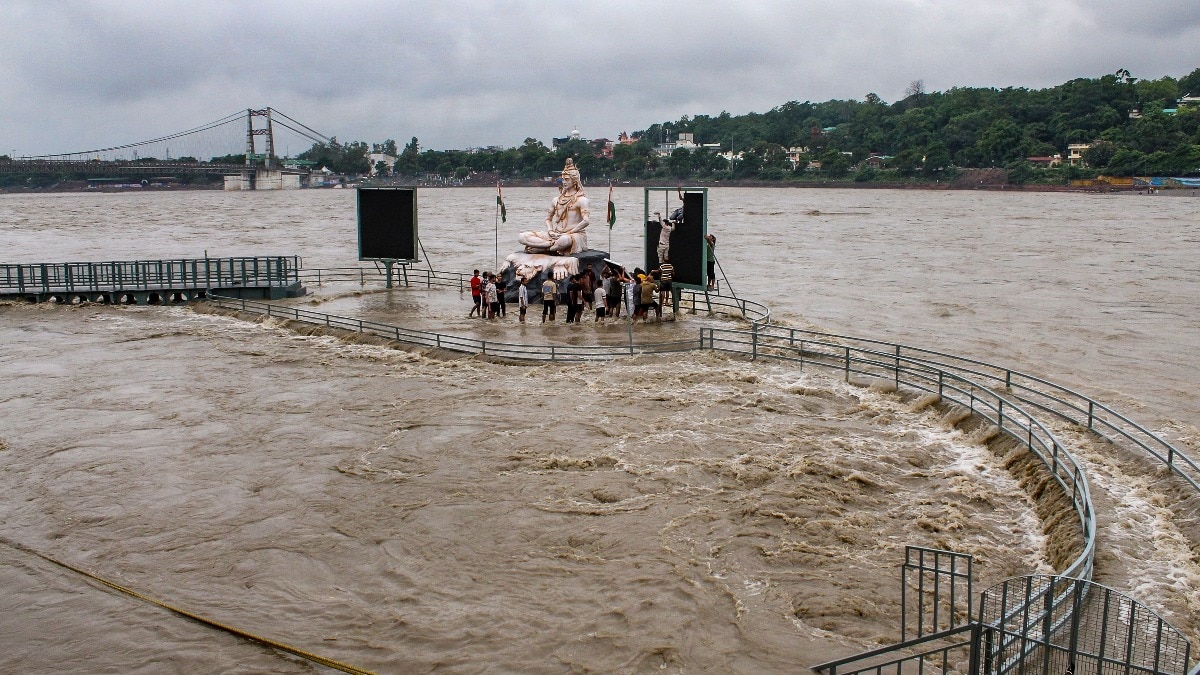
The Kanwar Yatra is a major annual pilgrimage where millions of devotees, known as Kanwariyas, travel on foot to fetch holy water from the Ganges. This water is then carried back to offer at various Shiva temples during the holy month of Shravan, making it one of the largest religious gatherings in India.
Frequently Asked Questions
Question 1: When did the ban start in Hapur?
Answer: The ban on non-vegetarian outlets in Hapur came into effect on July 26.
Question 2: What is the MCD doing in Delhi?
Answer: The MCD is focusing on removing encroachments, shutting unauthorized meat shops, and conducting massive cleanliness drives near pilgrimage camps.