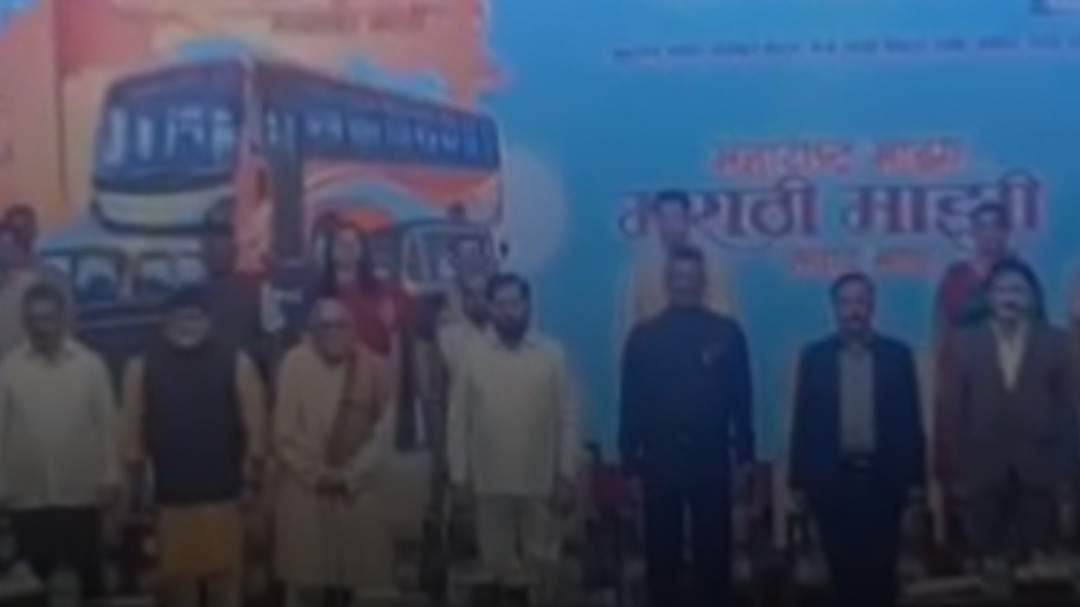
A public event in Thane sparked discussion after the organizers played Lata Mangeshkar's rendition of 'Vande Mataram' instead of the original version.
- Lata Mangeshkar's version was played during a Thane event.
- The original version of the national song was expected.
- The incident has raised questions regarding event planning and cultural protocol.
In a recent development in Thane, an event drew attention not for its main performance, but for a specific musical choice that deviated from traditional expectations. During the proceedings, the national song 'Vande Mataram' was played using the iconic rendition by the legendary Lata Mangeshkar, rather than the original composition.
While the version sung by the late Lata Mangeshkar is deeply revered and holds a special place in the hearts of millions, the decision to use it in place of the standard or original version during a formal ceremony has sparked a debate among attendees and cultural observers.
Why This Matters
BozokMedia analysis shows that in large-scale public gatherings, the choice of national symbols and anthems is a matter of significant cultural importance. Any deviation, even if intended to honor a legendary singer, can be perceived as a lack of adherence to established protocol.
The nuance between a popular rendition and an original anthem can significantly impact the perceived solemnity of a nationalistic event.
Historical Background: 'Vande Mataram', composed by Bankim Chandra Chattopadhyay, served as a rallying cry during India's struggle for independence. Over the decades, various artists have interpreted this masterpiece, but the original structure remains the cornerstone of its identity.
The incident highlights the importance of meticulous planning in event management, specifically regarding the selection of audio tracks for patriotic segments. Whether this was a technical error or a deliberate stylistic choice remains a subject of local discussion.
Frequently Asked Questions
Q1: Why is the use of the Lata Mangeshkar version being discussed?
A: Because the event's protocol expected the original version rather than a cover or a specific artist's rendition.
Q2: Is Lata Mangeshkar's version considered incorrect?
A: Not incorrect, but in formal settings, specific versions are often mandated to maintain tradition.