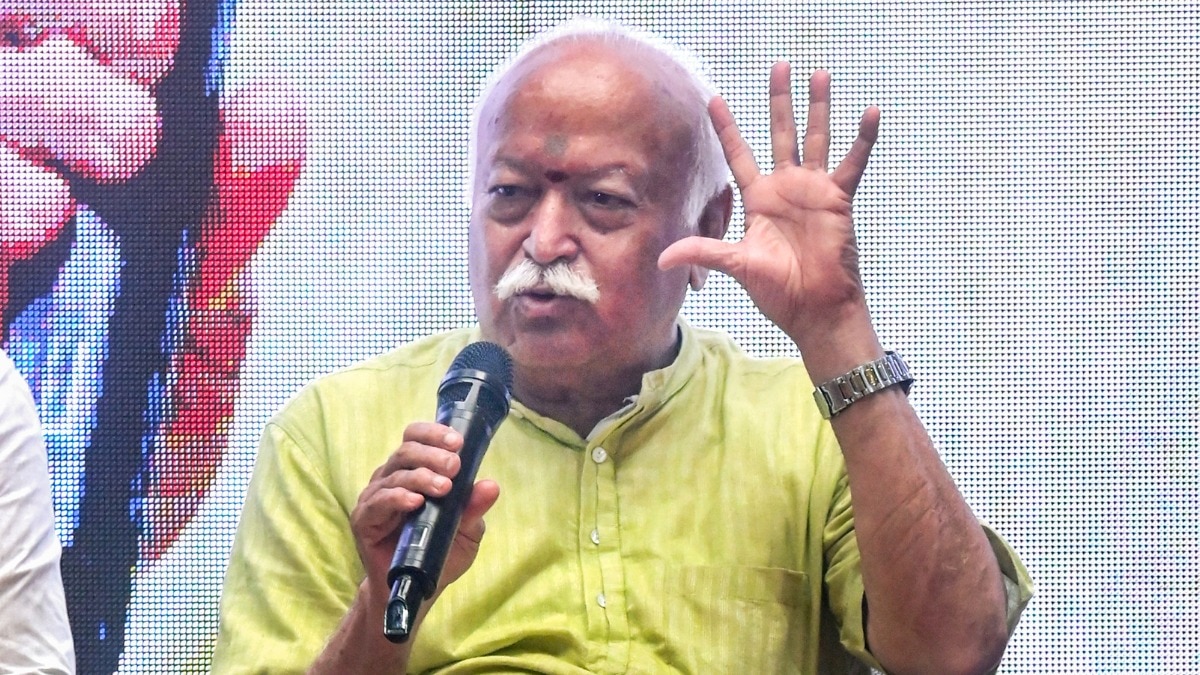
Speaking at an international conference in Chennai, S. Gokul emphasized that true inclusivity transcends physical accessibility, demanding deep mental and emotional integration into society.
Key Takeaways
- True inclusion involves mental and emotional access to spaces, not just physical infrastructure.
- Inclusive education must begin at the kindergarten level to foster empathy.
- Inclusivity is a collective societal responsibility, not just a task for the disabled community.
At the valedictory ceremony of the third International Conference on 'Empowerment Beyond Barrier: Global Perspectives on Education, Development and Innovation' held in Chennai, S. Gokul, Mayiladuthurai Additional Collector (Development), delivered a profound message on the essence of true inclusion. He argued that inclusivity is far more complex than mere physical accessibility.
Highlighting the distinction between clinical access and social belonging, Gokul stated, "Accessibility is a clinical sterile thing, but inclusivity is chaotic..." implying that true inclusion involves the messy, vibrant, and unpredictable reality of human connection and active participation in all aspects of life.
Why This Matters
BozokMedia analysis shows that while global urban planning has improved physical accessibility through ramps and elevators, the 'social gap' remains vast. Without emotional and mental access, individuals with disabilities remain physically present but socially sidelined.
Comprehensive education for inclusion has to begin from kindergarten classes.
The conference, jointly organized by Patrician College of Arts and Science and Adelphi University, New York, brought together prominent voices including Smitha Sadasivan, Poonam Natarajan, and Andrew Sesuraj. The discourse centered on moving beyond barriers toward a world of equal opportunity.
Historical Background
The global conversation on disability has shifted from the 'Charity Model,' which viewed disabled individuals as objects of pity, to the 'Rights-Based Model,' which recognizes their right to full participation in society through systemic changes in education and infrastructure.
Frequently Asked Questions
1. What is the difference between accessibility and inclusivity?
Accessibility refers to the removal of physical barriers, whereas inclusivity refers to the emotional and mental feeling of belonging and participation.
2. How can schools promote inclusion?
By implementing inclusive curricula from early childhood and educating all students about diversity and empathy.