Explore the psychological landscape of Generation Z, uncovering the deep-seated bitterness driven by economic, social, and digital pressures.
Key Takeaways
- The rise of cynicism and bitterness among Gen Z is linked to systemic issues.
- Digital saturation and social media comparison are core psychological stressors.
- Economic instability and climate anxiety shape their worldview.
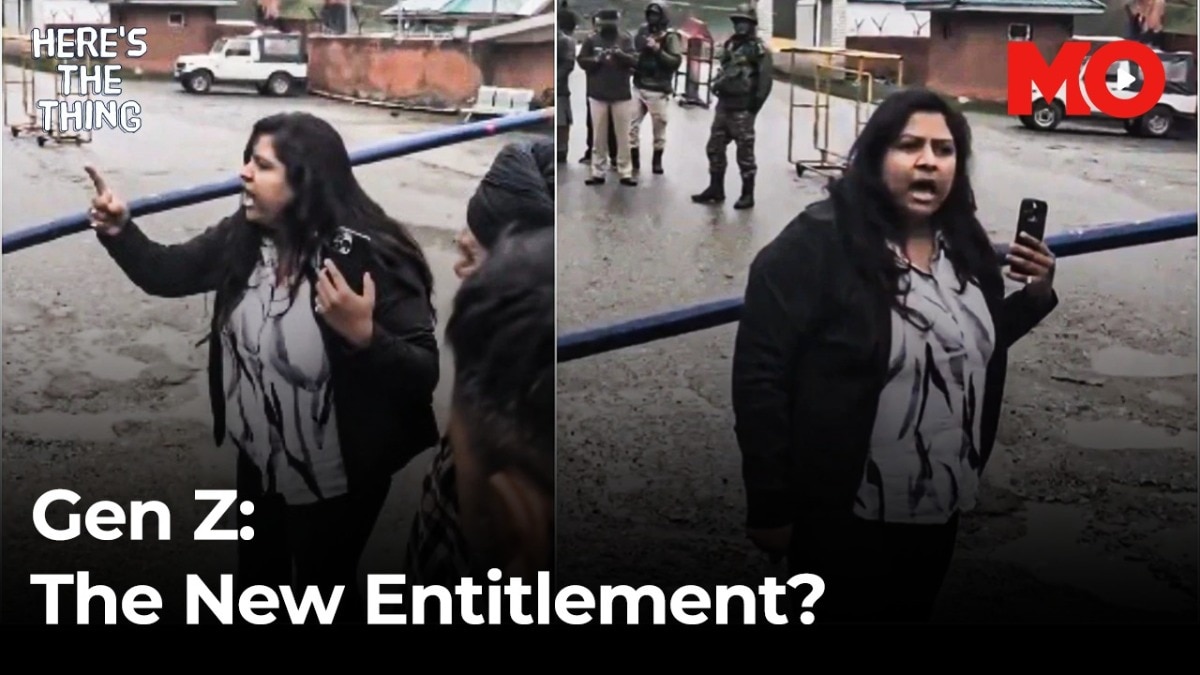
As the world transitions into a new era, Generation Z is emerging not just as digital natives, but as a generation grappling with profound disillusionment. The perceived 'bitterness' of this cohort is increasingly being recognized as a rational response to a complex and often overwhelming global landscape.
Economic and Existential Anxiety
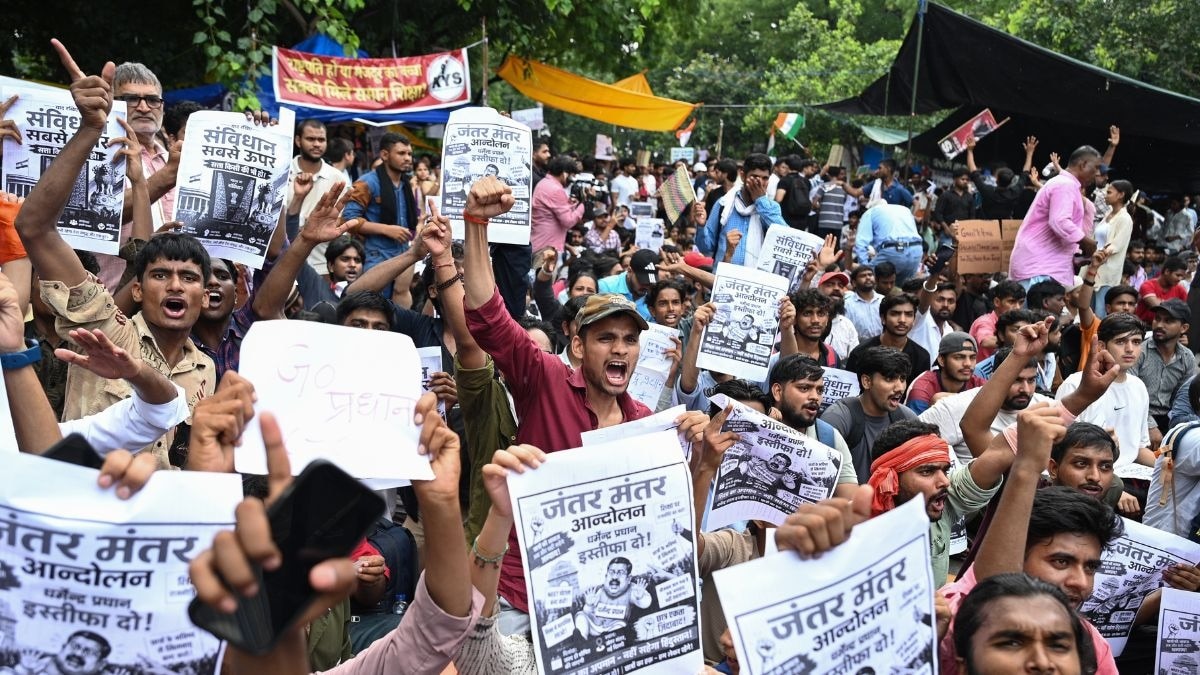
Unlike previous generations that entered a period of relative stability, Gen Z faces a world defined by economic volatility, housing crises, and the looming shadow of climate change. This sense of an uncertain future has fostered a culture of skepticism and resentment toward traditional institutions.
Why This Matters
BozokMedia analysis shows that the psychological state of Gen Z is a leading indicator of future social and economic shifts. Their collective mindset will dictate the future of work, consumerism, and political engagement.
"The bitterness seen in Gen Z is not mere angst; it is a profound reaction to the systemic failures they witness daily."
Furthermore, the digital environment plays a massive role. The constant barrage of curated perfection on social media creates a cycle of comparison and inadequacy, exacerbating feelings of isolation despite being more 'connected' than ever.
Historical Background
Historically, every generation has faced friction with the status quo. However, the speed of information in the 21st century means Gen Z experiences global crises in real-time, leading to a phenomenon known as 'compassion fatigue' and chronic mental burnout.
Frequently Asked Questions
Q1: Is Gen Z's bitterness a permanent trait?
A: No, it is a reactionary state influenced by current socio-economic conditions.
Q2: How does social media contribute to this?
A: It facilitates constant social comparison and exposes them to unfiltered global trauma.