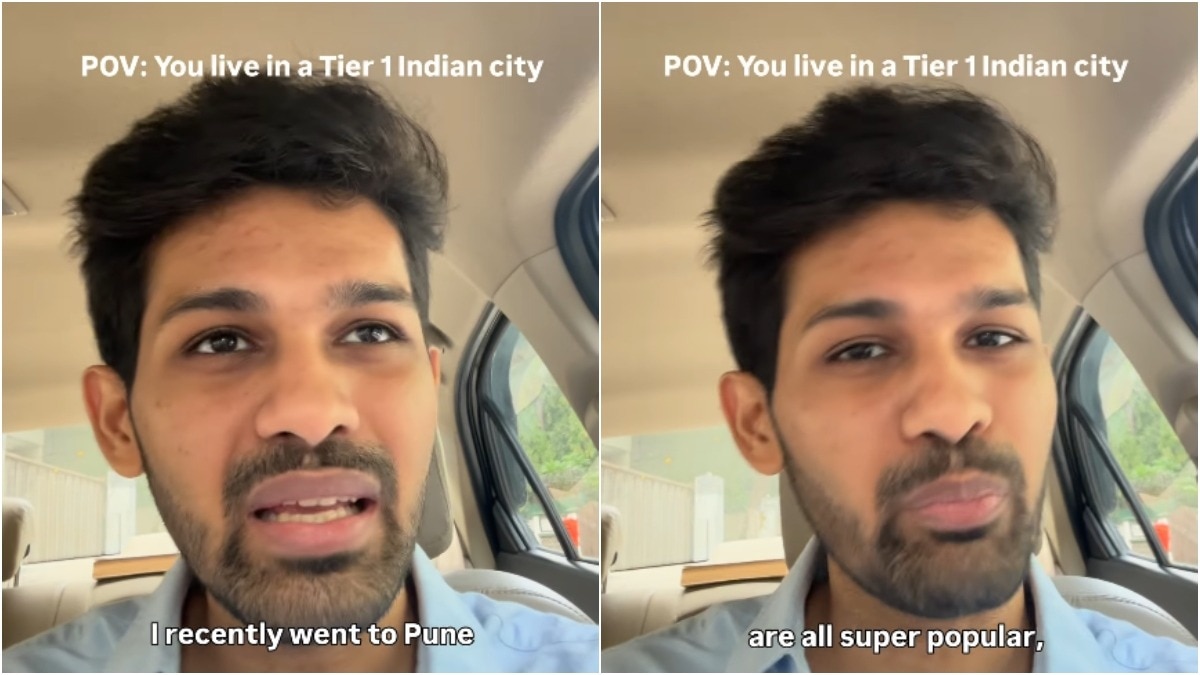
A viral social media video has ignited a fierce debate regarding the lack of affordable cultural and public spaces in India's Tier-1 cities.
Key Takeaways
- Major Indian metros lack affordable recreational and cultural alternatives.
- Urban development is increasingly prioritizing commercial consumption over community life.
- There is a critical shortage of walkable spaces, libraries, and public parks.
For the urban population in India's Tier-1 cities, a weekend often follows a predictable and monotonous routine: visiting a cafe, hitting a mall, or dining at a restaurant. A viral video by Instagram creator @the.headless has brought this exhaustion to the forefront, questioning the very essence of urban living in cities like Mumbai, Delhi, Bengaluru, and Pune.
In the video, the creator expressed frustration over the scarcity of activities that do not require significant financial expenditure. He noted that while these cities are global hubs, they offer almost no meaningful engagement for citizens beyond the cycle of eating and drinking. "Our cities have become all about consumption," he remarked, highlighting the lack of accessible museums, libraries, and art exhibitions.
Why This Matters
BozokMedia analysis shows that the rapid urbanization in India has prioritized commercial real estate over social infrastructure. When a city’s landscape is dominated by shopping centers and high-end eateries, it creates a barrier for middle and lower-income residents, effectively treating them as customers rather than citizens.
"The only way to spend quality time in our modern cities is by spending money; we are being treated as consumers, not citizens."
The critique extends beyond just entertainment to the physical infrastructure of the cities. The lack of walkability, neglected greenery, and the absence of well-maintained public squares prevent people from simply 'existing' in a space without the pressure to purchase something.
Historical Background
Historically, urban centers in India were designed around community gathering points—markets, temples, and public squares—that facilitated social cohesion. However, the modern shift toward privatized spaces means that the 'commons' are disappearing, replaced by gated commercial hubs that exclude those who cannot afford the entry price of a lifestyle.
| Feature | Current Urban Trend | Ideal Urban Living |
|---|---|---|
| Primary Focus | Commercial Consumption | Community Engagement |
| Public Space | Privatized Malls/Cafes | Open Parks/Libraries |
| Citizen Role | Consumer | Active Resident |
Frequently Asked Questions
1. What is the core criticism in the viral video?
The core criticism is that India's biggest cities lack affordable, non-commercial spaces for recreation and cultural exploration.
2. How does this affect urban citizens?
It limits social interaction to paid activities, reduces physical well-being due to poor walkability, and creates a sense of exclusion for those with limited disposable income.