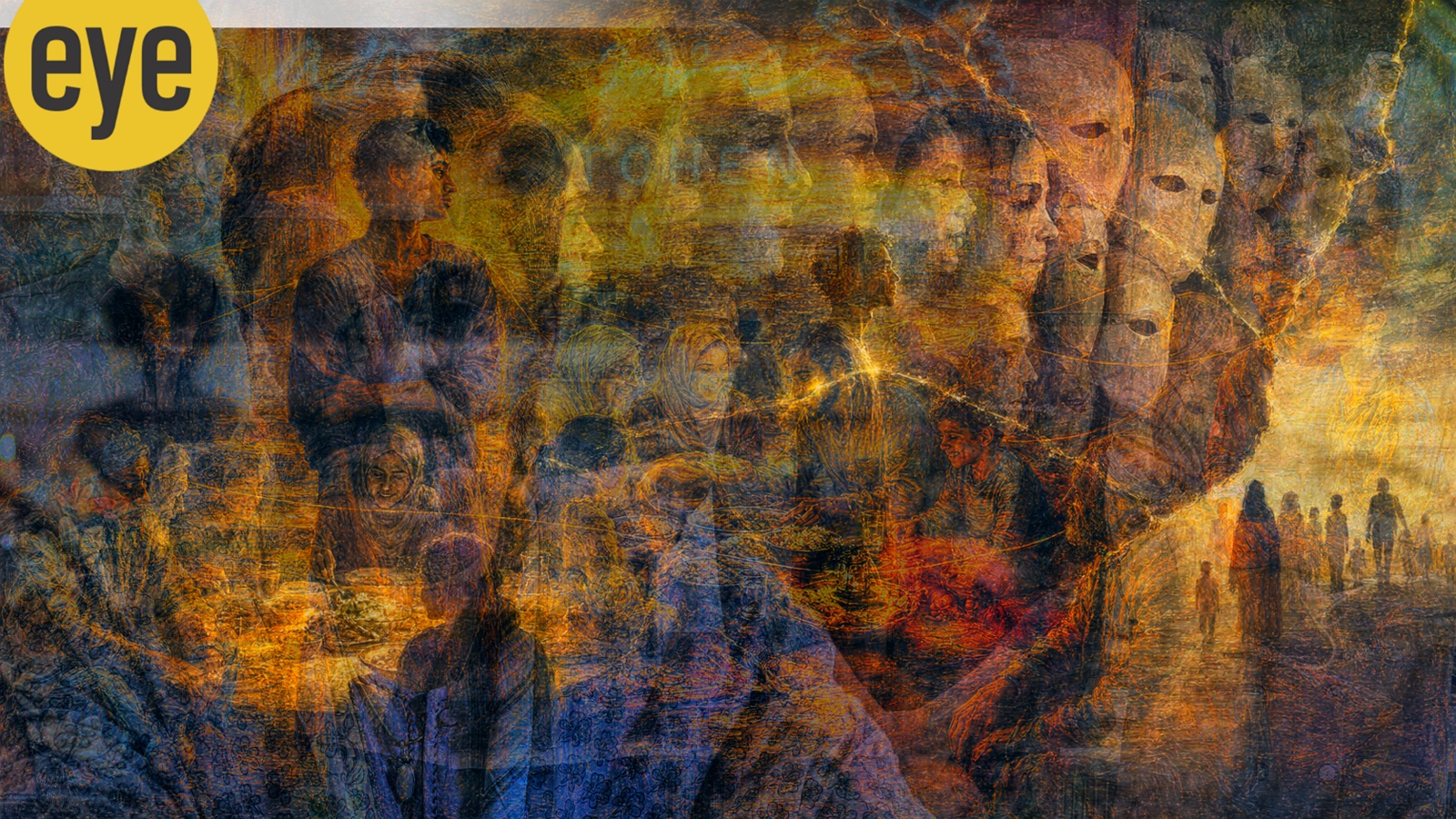
A profound analysis of how media and political rhetoric strip marginalized groups of their humanity by replacing complex lives with dangerous stereotypes. Suvir Saran explores the dangerous link between cultural erasure and systemic injustice.
- Erasure begins with distortion, turning human beings into political narratives.
- Media representation often replaces diverse lives with single, menacing stereotypes.
- Political ridicule serves as a precursor to systemic mistreatment and injustice.
A haunting question lingers in the contemporary social consciousness: "When was the last time you saw an ordinary Muslim family in a film?" This is not merely a critique of cinema; it is a profound observation on how entire communities are being systematically erased from the collective human empathy.
In his poignant essay, Suvir Saran argues that erasure rarely begins with physical disappearance. Instead, it starts with distortion. Before a people are pushed out of public sympathy, they are pushed out of ordinary stories. They are no longer mothers worrying about dinner or fathers returning tired from work; they are transformed into terrorists, gangsters, or sinister neighbors.
Why This Matters
BozokMedia analysis shows that when media consumption shifts from human-centric stories to threat-centric narratives, the psychological barrier to cruelty is lowered. Once a group is perceived as a 'menace' rather than 'neighbors,' acts of injustice are no longer viewed as cruelty, but as necessary 'caution.'
Language prepares the land for injustice; it does not always arrive wearing boots, sometimes it arrives wearing a smirk.
The article draws a parallel between the author's own experiences of being 'the other'—as a gay man and a person of color—and the broader political landscape. The mechanism is consistent: it begins with naming, moves to mimicry, escalates to mockery, and culminates in mistreatment. This process is weaponized by leaders like Donald Trump, who use ridicule to turn entire populations into punchlines, effectively stripping them of their political and human dignity.
This phenomenon is not localized to the United States but is a growing trend in democracies worldwide. We are witnessing a shift toward 'tribal theatre,' where governing is bypassed in favor of grievance-mongering. It is far easier to invent an enemy—a migrant, a dissenter, or an artist—than it is to build a hospital or an education system.
| Aspect | Human Narrative | Distorted Narrative |
|---|---|---|
| Focus | Daily life, joys, and struggles | Conflict, crime, and menace |
| Perception | Neighbor/Citizen | Threat/Outsider |
| Social Impact | Empathy and Cohesion | Fear and Division |
Frequently Asked Questions
1. How does media stereotyping affect real-world policy?
Stereotyping creates a public mandate for harsher laws and discriminatory policies by framing certain groups as inherently dangerous.
2. What is the role of 'liberalism' in this crisis?
The author suggests that an intolerant, 'orthodoxy-branded' liberalism can inadvertently fuel authoritarianism by creating extreme polarization.