Chief Minister C. Joseph Vijay's maiden agriculture budget shifts focus from mere production to risk mitigation, soil health, and technological empowerment for Tamil Nadu's farmers.
Key Takeaways
- Targeting 131 lakh metric tonnes of food grain production over five years.
- Proposed crop insurance coverage for 36 lakh acres, benefiting 15 lakh farmers.
- ₹600 crore allocated for the Tamil Nadu Soil Fertility Mission.
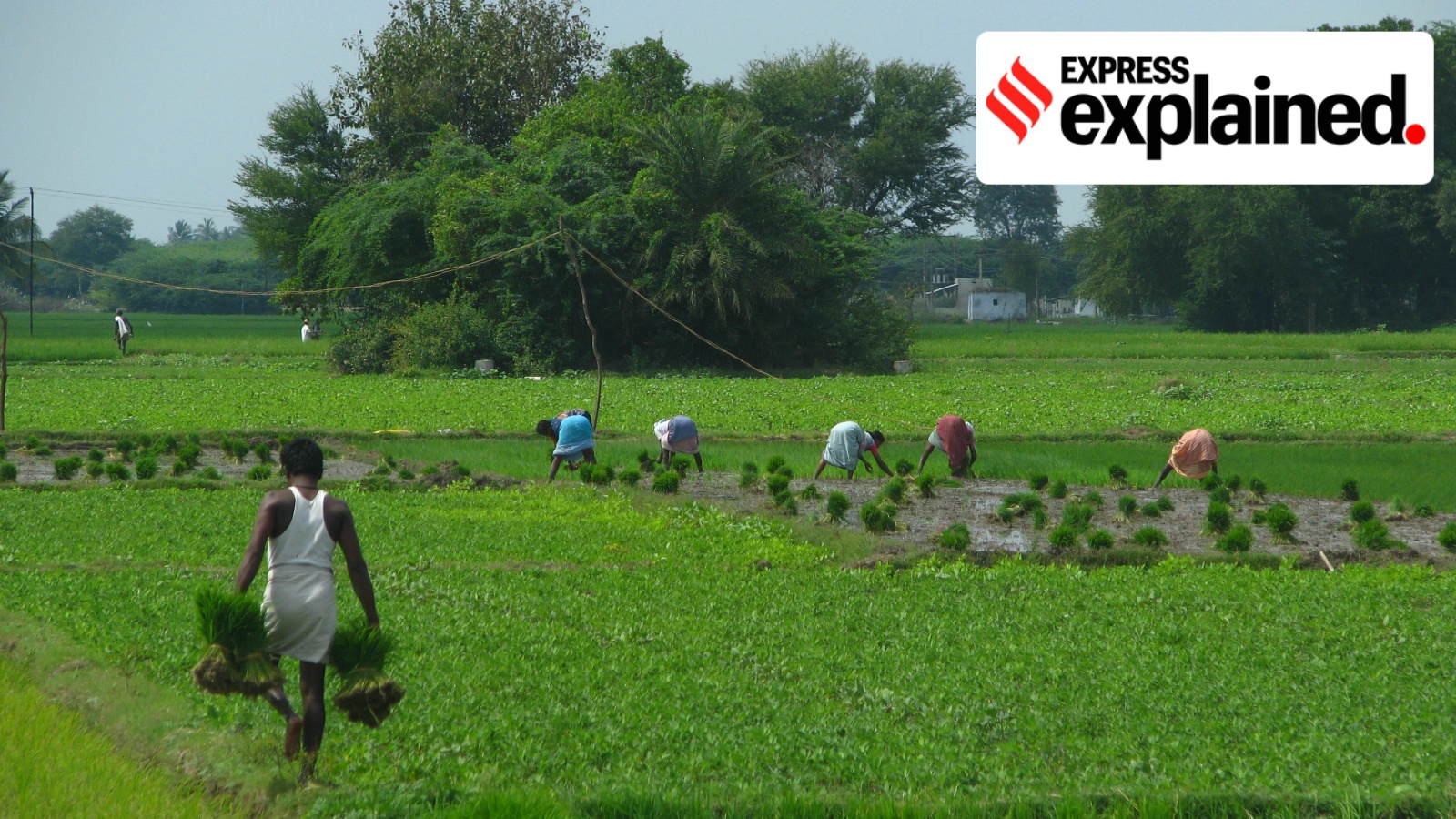
- Significant investment in mechanization and drone technology to combat labor shortages.
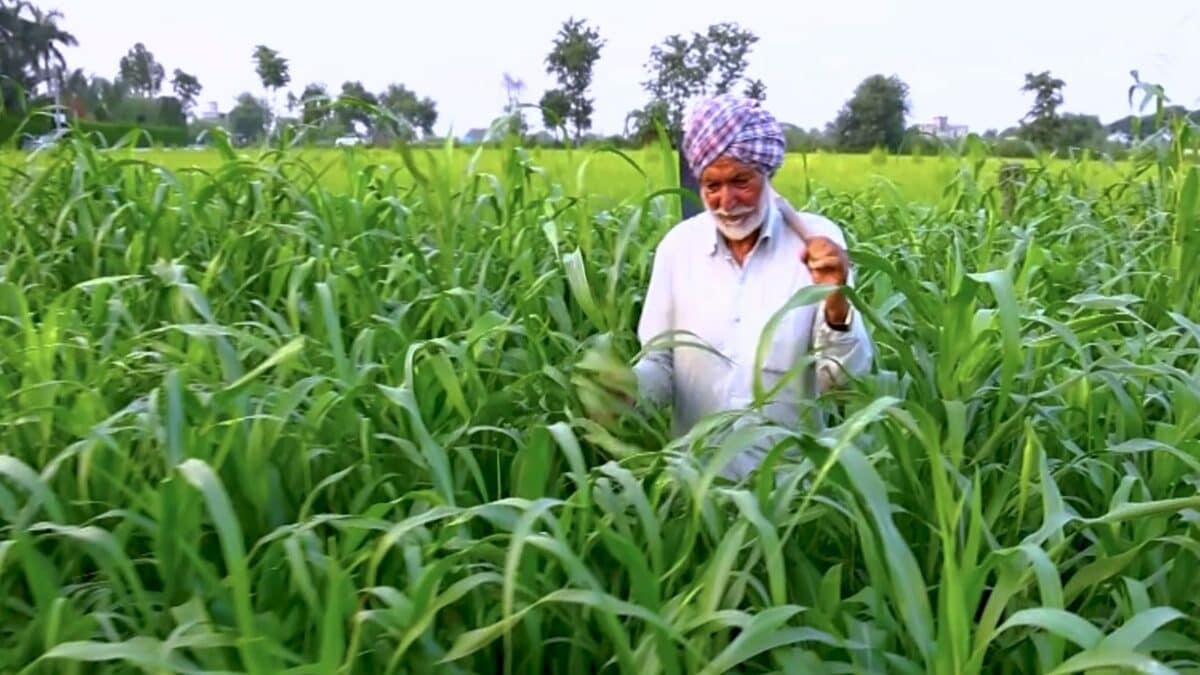
The first Agriculture Budget under Chief Minister C. Joseph Vijay frames farming not just as a commodity sector, but as a vital social fabric that requires robust institutional support. The budget moves beyond traditional rhetoric to address the harsh realities of modern farming: erratic monsoons, rising input costs, and the looming threat of rural exodus.
A cornerstone of this budget is risk management. By allocating ₹648.55 crore to cover 36 lakh acres under crop insurance, the state aims to protect farmers from the multi-faceted risks of agriculture, ranging from delayed reservoir releases to sudden market price crashes. The document candidly acknowledges past institutional delays, such as the late procurement of Banglora mangoes, promising faster response mechanisms in the future.
Why This Matters
BozokMedia analysis shows that this budget represents a paradigm shift from 'production-centric' to 'resilience-centric' governance. Instead of simply asking for more yield, the state is investing in the fundamental stability of the rural economy through irrigation, insurance, and soil health.
Effective agricultural policy is defined not by the volume of announcements, but by the precision of timing in government intervention.
To combat ecological degradation, the Tamil Nadu Soil Fertility Mission (budgeted at ₹600 crore) seeks to reverse the damage caused by chemical overuse. This mission emphasizes organic farming, bio-fertilizers, and soil-health cards, treating the land as an inheritance rather than an exhaustible resource. Furthermore, to tackle the acute labor shortage, ₹227.20 crore has been earmarked for subsidizing machinery, with a special focus on empowering women's self-help groups.
Comparison: Traditional vs. Modern Agricultural Focus
| Feature | Traditional Approach | New Budget Strategy |
|---|---|---|
| Primary Goal | Maximizing Yield | Risk Mitigation & Sustainability |
| Soil Management | Chemical Intensive | Soil Fertility Mission (Organic) |
| Labor Solution | Manual Labor Reliance | Mechanization & Drones |
Addressing climate change, the budget integrates contingency plans for 'Super El Niño' events and promotes direct-seeded rice to reduce greenhouse gas emissions, potentially opening doors for farmers to earn through carbon trading.
Frequently Asked Questions (FAQ)
1. What is the goal of the Soil Fertility Mission?
It aims to restore organic carbon in the soil and reduce dependency on chemical fertilizers to ensure long-term productivity.
2. How is the budget addressing labor shortages?
Through heavy subsidies on machinery like tractors and weeders, and the introduction of drone technology.