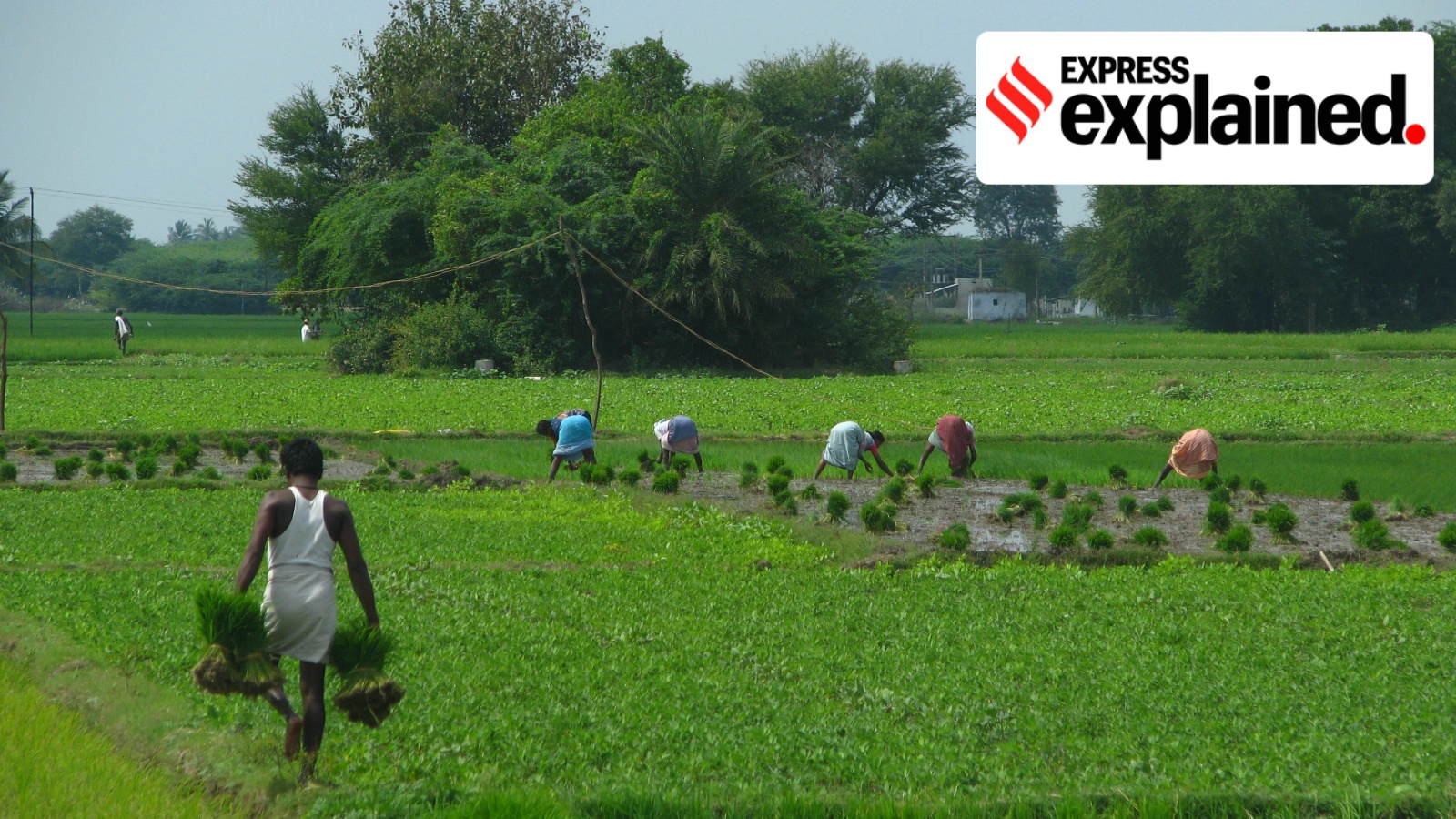
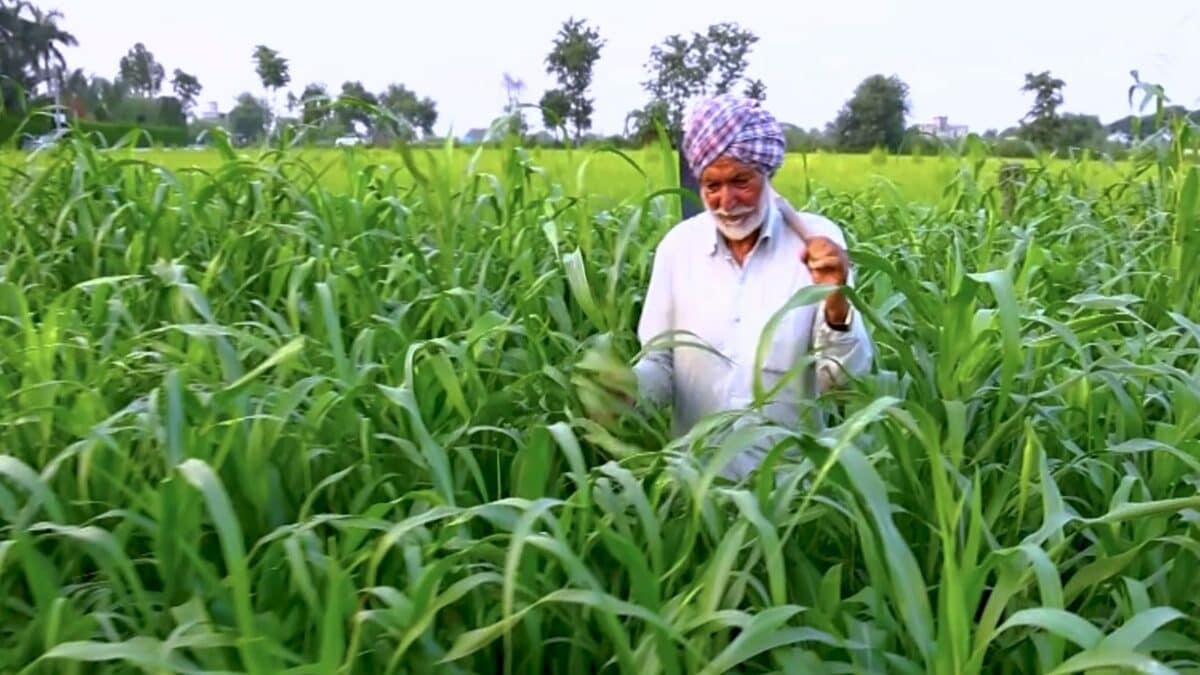
The revised Agricultural Budget has drawn polarized responses in Coimbatore, with farmers decrying the neglect of their core needs while industrial associations laud the focus on irrigation and micro-irrigation.
Key Takeaways
- Farmers claim the budget prioritizes 'agri-business' over actual farming needs.
- Industry leaders welcome increased funding for micro-irrigation and energy support.
- Lack of local organic certification offices in Coimbatore is a major grievance.
- Pump manufacturers urge for subsidies on energy-efficient pumpsets.
Farmers in the Coimbatore district have expressed significant dissatisfaction following the presentation of the revised Agricultural Budget. Local farmer associations have voiced concerns that the budgetary measures fail to address the grassroots requirements of the farming community, focusing more on commercializing agriculture rather than supporting traditional livelihoods.
Farmers' Grievances: A Focus on Business over Farming
G. Ranganathan, district president of the Thamizha Vivasaigal Sangham, highlighted in a press release that the budget remained silent on several critical suggestions provided by farmer groups. A primary point of contention is the lack of an official office in Coimbatore for organic product certification, which is vital for farmers looking to enter the premium organic market. Furthermore, the provisions for solar pumps were deemed inadequate by the farming community.
Why This Matters
BozokMedia analysis shows that while the government aims to modernize agriculture through business models, the absence of localized support infrastructure like certification centers can marginalize small-scale farmers. This disconnect between policy intent and field reality could hinder the growth of sustainable organic farming.
The budget appears to be pivoting toward an agribusiness model, potentially leaving traditional farmers behind in the transition.
In contrast, the industrial sector has responded with optimism. The Southern India Engineering Manufacturers Association (SIEMA) and the Indian Pump Manufacturers Association (IPMA) welcomed the government's commitment to improving water-use efficiency and ensuring reliable energy support for agricultural operations.
Industrial Support and Micro-Irrigation
The industry specifically lauded the allocation of ₹785 crore aimed at extending micro-irrigation to over 2.22 lakh acres, benefiting approximately 95,000 farmers. The commitment to providing free three-phase electricity, supported by an allocation of ₹7,432.58 crore, was also seen as a major win for irrigation stability. However, industry leaders Mithun Ramda (SIEMA) and K.V. Karthik (IPMA) emphasized that for micro-irrigation to be effective, the subsidy must also cover high-quality, energy-efficient pumpsets.
Frequently Asked Questions
1. Why are farmers in Coimbatore unhappy with the budget?
They feel the budget ignores their specific requests, such as local organic certification offices and better solar pump provisions.
2. What did the pump industry welcome in the budget?
They welcomed the focus on micro-irrigation, water conservation, and the continued provision of free three-phase electricity for agriculture.