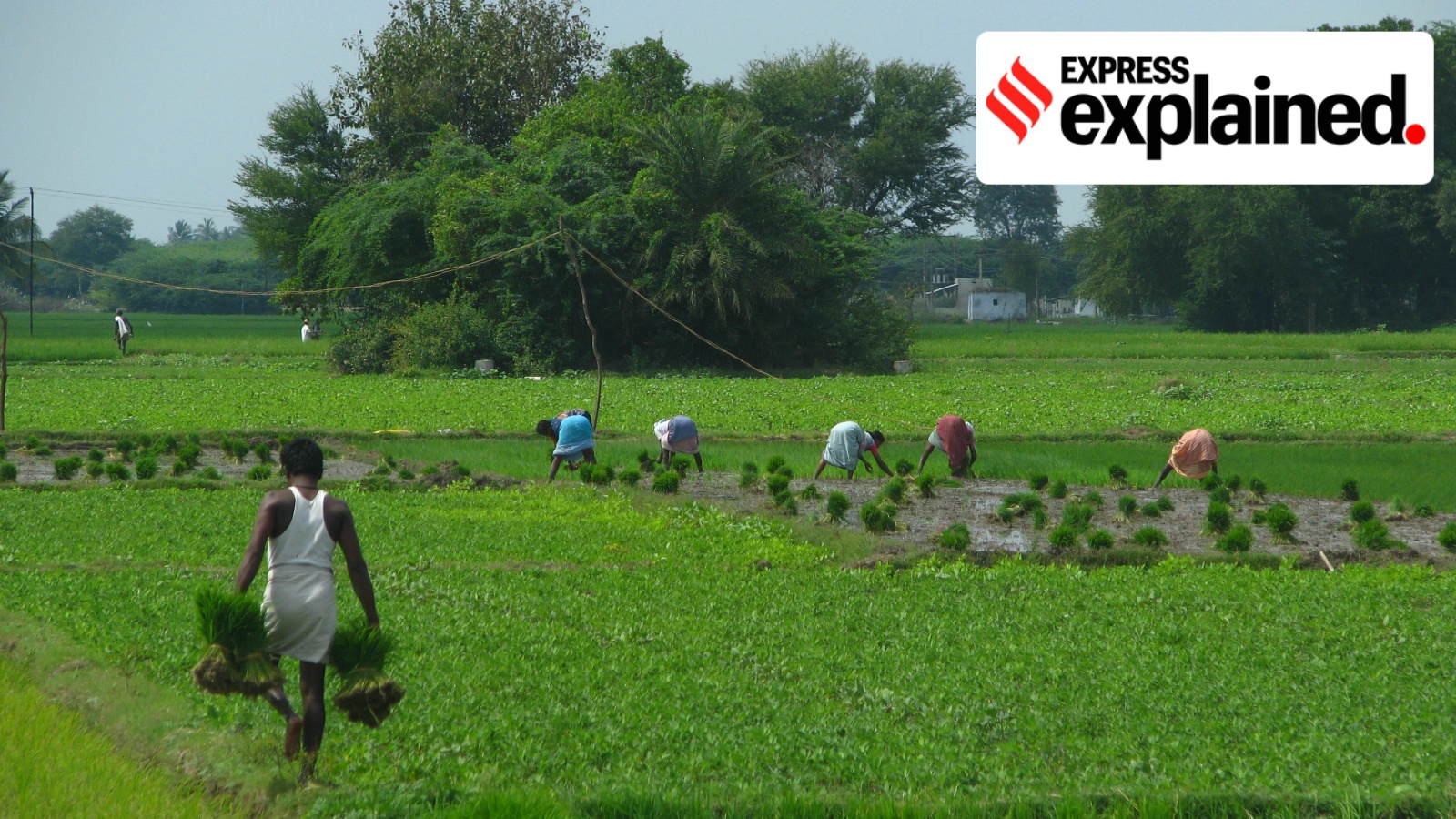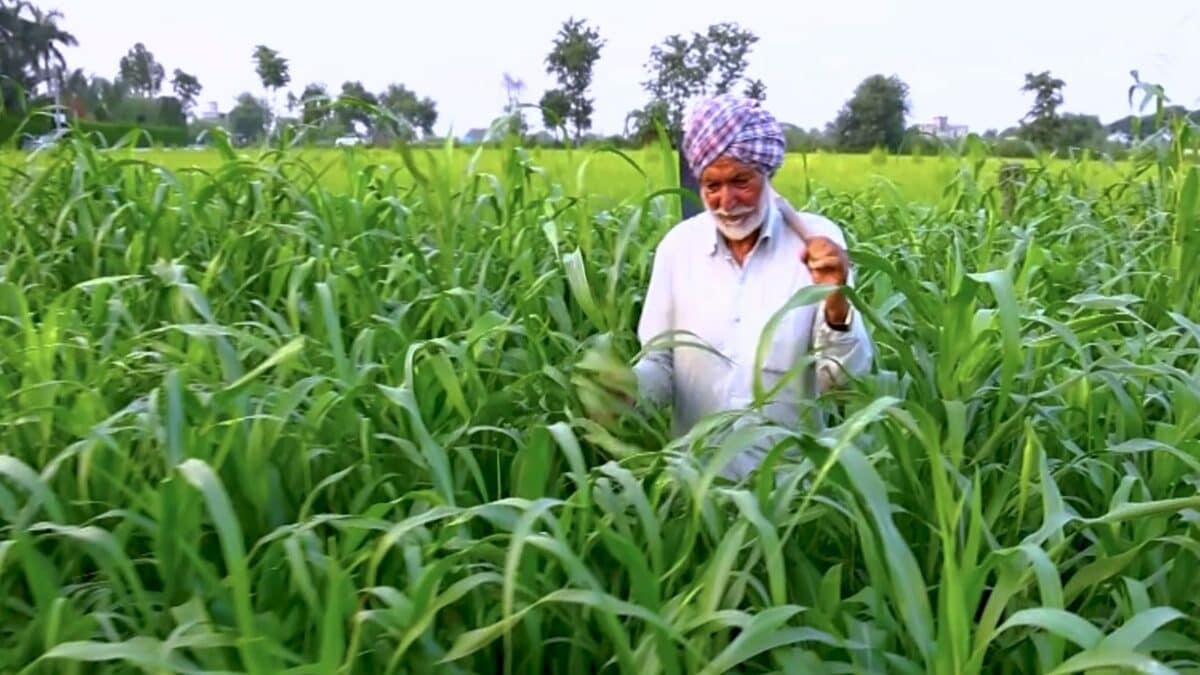
The ongoing monsoon showers have eased water stress for Punjab and Haryana growers, improved yields and cut irrigation costs. Experts call it a pivotal moment for Indian agriculture.
Key Takeaways
- Reservoirs and groundwater levels replenished
- Crop growth rates surge
- Irrigation expenses sharply reduced
Monsoon Impact Across the Heartland
Continuous downpours across Punjab and Haryana have delivered much‑needed relief to the farming community. The rain not only refills depleted water bodies but also supplies essential moisture for staple crops such as rice, sugarcane, and wheat.
Agricultural analysts estimate a potential 10‑15% increase in yields thanks to reduced reliance on artificial irrigation. This natural boost directly translates into higher farmer incomes and lower production costs.
Lower irrigation demand also eases pressure on electric grids and water‑management infrastructure, aligning with government goals for sustainable agriculture.
Why This Matters
BozokMedia analysis shows that timely monsoon rains can offset climate‑related risks, strengthening food security and rural economies. The event underscores the critical role of natural precipitation in a water‑scarce nation.
"A well‑timed rainstorm is a lifeline for farmers, instantly lifting yields and profitability," says agronomist Dr. Amit Verma.
Frequently Asked Questions
Question 1: Will the recent rains translate into higher actual crop yields?
Answer: Early surveys and climate models suggest a 10‑15% yield boost, though final outcomes will depend on local conditions and post‑rain management.
Question 2: How will reduced irrigation affect farming costs?
Answer: With sufficient rainfall, farmers can cut back on pump usage, lowering electricity bills and conserving groundwater resources.