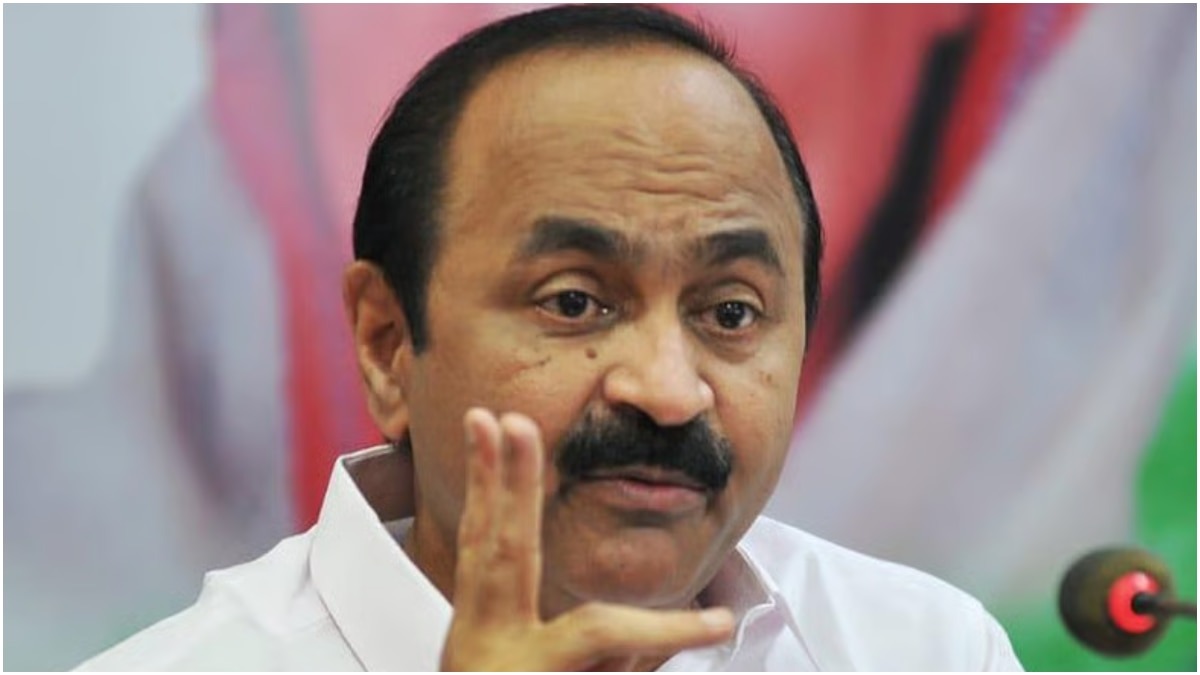
Chief Minister V D Satheesan has announced a comprehensive overhaul of agricultural policies to support farmers battling climate change, featuring increased compensation and AI-driven crop protection.
- Introduction of new agricultural policies to mitigate climate change and natural disasters.
- Rubber prices targeted to reach ₹300; crop loss compensation increased by 25%.
- Deployment of Artificial Intelligence (AI) to prevent wildlife attacks on farms.
- Launch of 'Kerala Brand' for value-added exports via Vizhinjam port.
Inaugurating the state-level Farmers' Day celebrations at Kalamassery, Chief Minister V D Satheesan declared that the government is fully committed to reviving the agricultural sector. Recognizing farmers as the backbone of the state, the CM emphasized that the government will stand by those facing severe crises due to unpredictable weather patterns and natural calamities.
The Chief Minister highlighted a critical shift in environmental dynamics, noting that traditional methods of weather prediction—such as observing the sky and shadows—are no longer reliable. He pointed out that the agricultural calendar has fallen out of rhythm, leaving small-scale farmers with limited resources most vulnerable to these systemic shocks.
Why This Matters
BozokMedia analysis shows that Kerala is attempting to transition from traditional subsistence farming to a high-value, tech-driven export economy. By integrating AI for crop protection and utilizing the strategic location of the Vizhinjam port, the state is not just providing relief but is actively restructuring its agrarian economy to be climate-resilient and globally competitive.
Financial support is a cornerstone of this new strategy. The government has already taken steps to ensure fair returns for paddy farmers. Notably, the price of rubber, which was previously raised from ₹200 to ₹250, is set to increase further to ₹300. Furthermore, compensation for losses incurred through floods and other disasters has been bumped up by 25%.
"The fusion of AI and policy reform is the only sustainable path to ensuring food security in an era of climate volatility."
The government is also proposing a "second land reform" by amending state land laws. This initiative aims to reopen defunct plantations and encourage multi-cropping—specifically introducing high-value crops like avocado and rambutan—and promoting agri-tourism without compromising environmental integrity.
| Metric | Previous Status | New Policy/Goal |
|---|---|---|
| Rubber Price | ₹200 - ₹250 | ₹300 (Target) |
| Disaster Compensation | Standard Rates | 25% Increase |
| Technology | Traditional Methods | AI & Modern Systems |
During the event, the CM presented the first Oommen Chandy Memorial Award to Cheruvayal Raman, a renowned traditional seed conservationist. He lauded Agriculture Minister Adv T Siddique for his team's rigorous study of the sector's challenges and their commitment to implementing rapid solutions.
Frequently Asked Questions
1. What is the 'Kerala Brand' initiative?
It is a branding strategy to add value to farm produce, ensuring farmers get better prices through organized marketing and faster exports.
2. How will AI be used in Kerala's farms?
AI will be integrated with traditional methods to create smart monitoring systems to prevent crop losses caused by wildlife attacks.