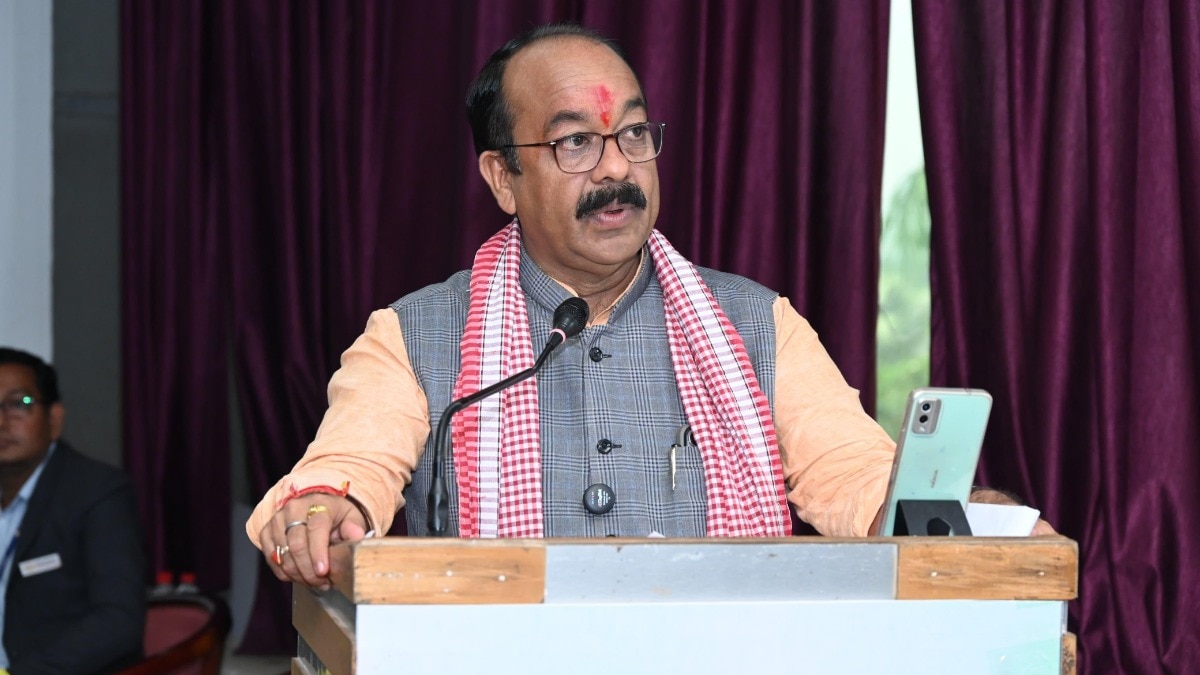
Sports Minister Mansukh Mandaviya announced in Glasgow that India is committed to leaving a lasting institutional legacy when it hosts the centenary Commonwealth Games in Ahmedabad in 2030. The nation promises sustainable, historic, and memorable Games backed by governance reforms and grassroots initiatives.
Key Takeaways
- India pledges a lasting institutional legacy for the 2030 Commonwealth Games.
- Governance reforms, a robust anti‑doping framework, and the Khelo India program are highlighted.
- Ahmedabad is positioned to deliver a historic, sustainable, and memorable edition.
Introduction
Speaking at the Commonwealth Sports Ministers Meeting in Glasgow, Sports Minister Mansukh Mandaviya affirmed India’s commitment to leave a “lasting institutional legacy” as the host of the 2030 centenary Commonwealth Games in Ahmedabad. He emphasized that the Games will serve as a catalyst for structural change benefiting future generations.
Policy and Reforms
Mandaviya outlined sweeping governance reforms, a strengthened anti‑doping framework, and flagship initiatives such as Khelo India aimed at nurturing grassroots talent. These measures are intended to elevate the quality, transparency, and fairness of Commonwealth sport.
Collaboration and Platform
India strongly supports the creation of a Commonwealth Sport Coordination Forum, an annual platform to translate ministerial decisions into actionable outcomes. The country offered to host technical workshops, regional consultations, and preparatory meetings leading up to 2030.
Ahmedabad’s Preparedness
The Ministry confirmed that Ahmedabad is fully equipped to deliver a historic, sustainable, and memorable Games. Mandaviya also expressed India’s willingness to chair the Commonwealth Association of National Olympic Committees (CABOS) for the 2026–2030 cycle, reinforcing its leadership role.
Historical Background
The 2030 edition marks the centenary celebration of the Commonwealth Games, a milestone since the inaugural event in 1930. India has previously demonstrated its hosting capabilities through events like the 2010 Commonwealth Games and the 2022 Asian Games.
Why This Matters
BozokMedia analysis shows that India's proactive stance on governance and anti‑doping sets a new benchmark for international multi‑sport events, potentially influencing future Commonwealth policies and strengthening India's soft power on the global stage.
"India's commitment to a lasting institutional legacy could redefine how host nations leverage major sporting events for long‑term development," says sports policy expert Dr. Ayesha Khan.
Frequently Asked Questions
Q: What new facilities will be introduced for the 2030 Commonwealth Games?
A: Focus will be on sustainable energy solutions, smart infrastructure, and expanded anti‑doping centers.
Q: By when does India consider the preparations fully complete?
A: Officially, all major infrastructure is expected to be tested and certified by 2028.