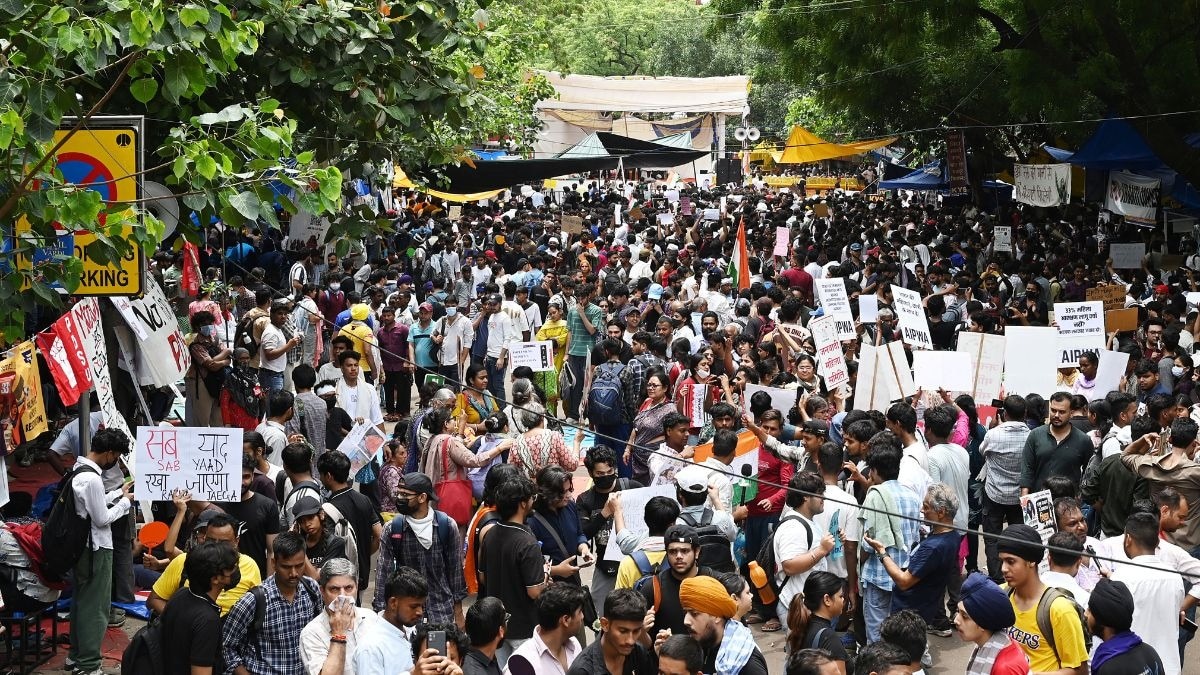
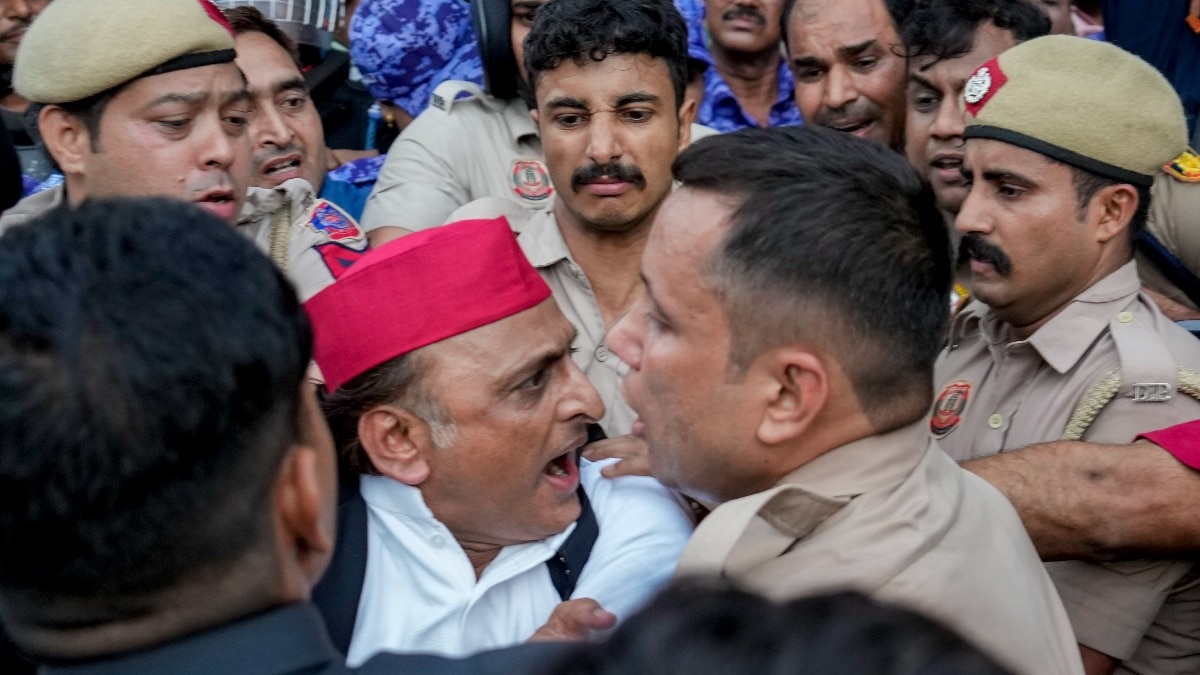
A fresh look at the legality and morality of peaceful protests in India. The piece clarifies constitutional rights, police permission requirements, and judicial remedies.
Key Takeaways
- Peaceful protest is a constitutionally protected right in India.
- Police permission is not mandatory, but restrictions may be imposed for public order.
- Courts can provide relief when rights are infringed.
Article 19(1)(a) of the Indian Constitution guarantees freedom of speech, which includes the right to assemble peacefully. At the same time, the police are empowered to impose reasonable restrictions to maintain public order.
Supreme and High Court rulings consistently hold that prior police permission is unnecessary for non‑violent protests, though it becomes essential when the assembly threatens safety or disrupts traffic.
Historical Background
Even during the freedom struggle, Indians used symbolic gestures like placing a flower in a rifle barrel to convey peace. The Emergency period (1975‑76) saw pivotal judgments that reinforced civil liberties.
Why This Matters
BozokMedia analysis shows that understanding the legal nuances of peaceful protest is crucial for activists, policymakers, and law‑enforcement agencies to avoid unnecessary arrests and uphold democratic values.
"The right to peaceful protest is the backbone of democracy, but it must be exercised responsibly," says legal scholar Prof. Rajesh Kumar.
Frequently Asked Questions
Question 1: Is it legal to march to Parliament without police permission?
Answer: If the march is peaceful and does not disrupt public order, prior permission is not required, though local regulations should be checked.
Question 2: When can police lawfully restrict a protest?
Answer: Restrictions are lawful when the protest poses a risk of violence, property damage, or public safety threats.