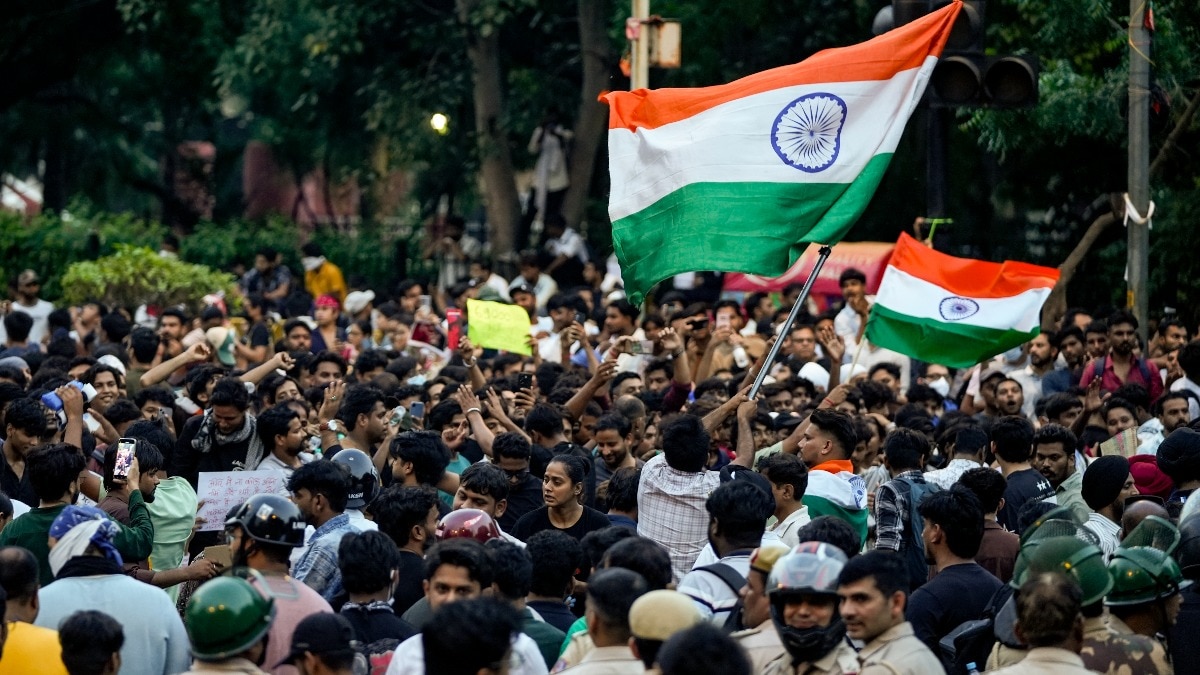
The CJP staged a coordinated protest across all districts, demanding a single policy change. This marks the second formal meeting with the central government.
Key Takeaways
- CJP launched a nationwide protest with a unified demand
- Second official meeting held with the central government
- Protest is influencing state‑level policy discussions
Early this morning, the Indian Farmers Union (CJP) mobilised citizens in every district, each echoing the same demand – a minimum support price for crops. This action follows the second round of talks with the central government and underscores growing pressure on policymakers.
The centre has acknowledged the demand and pledged to open a new phase of negotiations. Officials warned that if decisive steps are not taken, the protests could expand further across the nation.
Historical Background
CJP previously organised similar nationwide demonstrations in 2019 and 2021, which resulted in modest adjustments to agricultural pricing policies. The current protest, however, is the most extensive to date, covering all 28 districts.
Why This Matters
BozokMedia analysis shows that the movement’s economic and political implications are profound. A unified farmer voice could reshape future agricultural reforms and impact food security nationwide.
"If the government fails to address farmers' core concerns, social unrest will intensify," notes agricultural policy expert Dr. Ajay Singh.
Frequently Asked Questions
Question 1: What is CJP's primary demand?
Answer: Implementation of a minimum support price for all major crops.
Question 2: How has the government responded?
Answer: The government has held two meetings and signalled willingness to discuss policy adjustments.