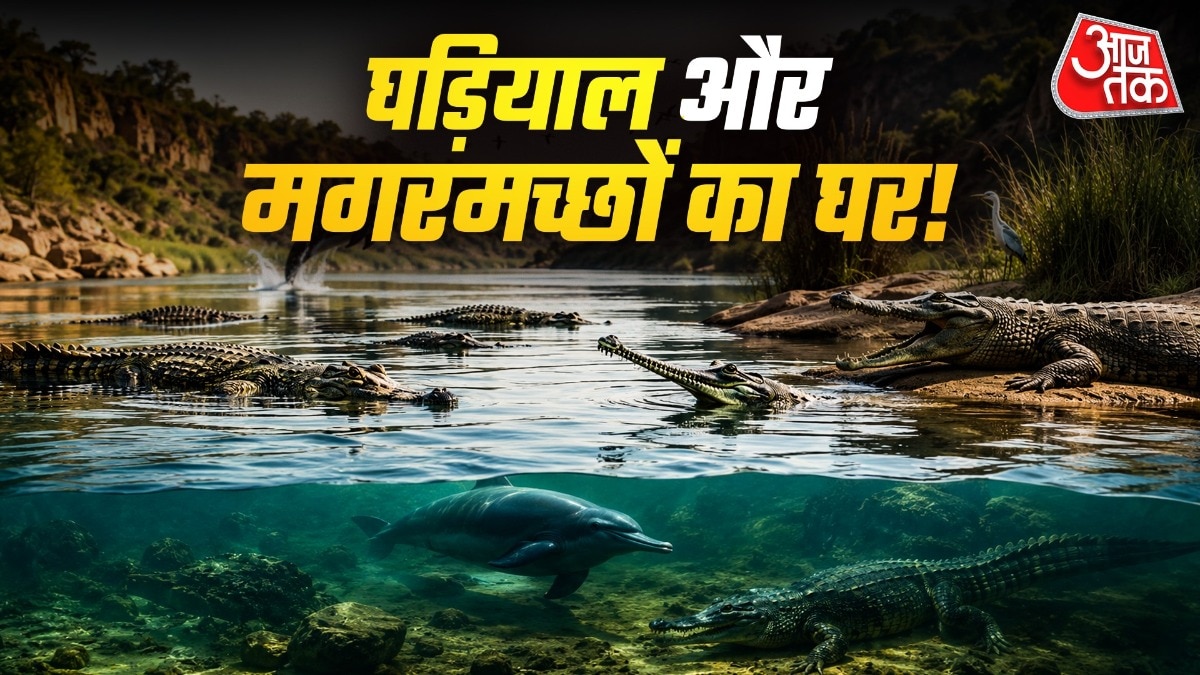
India's pristine Chambal River hosts a thriving population of gharials, crocodiles, Gangetic dolphins and turtles. The sheer density of these predators makes locals and tourists avoid entering the water.
Key Takeaways
- Chambal River harbors a large population of gharials, crocodiles and Gangetic dolphins
- National Chambal Sanctuary, established in 1978, is the world’s largest gharial protection area
- Clean water and minimal industrial impact keep the river a safe haven for rare aquatic species
Unique Wildlife of Chambal River
Stretching 400‑600 km across Rajasthan, Madhya Pradesh and Uttar Pradesh, the Chambal River is renowned not just for its crystal‑clear flow but also as a critical habitat for gharials (Gavial), crocodiles, Gangetic dolphins and numerous turtles. Gharials use their long, thin snouts to snap up fish, while crocodiles rely on their broad jaws for larger prey.
History and Conservation Efforts
The National Chambal Sanctuary was created in 1978‑79 to protect gharials and has since become the largest dedicated gharial conservation zone worldwide. Over 130 bird species and many rare aquatic organisms also thrive here, making the river a paradise for wildlife enthusiasts.
Why This Matters
BozokMedia analysis shows that preserving clean, biodiverse rivers like Chambal boosts national biodiversity and turns local tourism into a sustainable revenue stream.
"Maintaining Chambal’s ecological balance requires continuous monitoring and stringent regulations," says wildlife expert Dr. Ajay Singh.
Historical Background
References to the Chambal River appear in ancient epics such as the Mahabharata, and medieval dynasties revered its waters as sacred. While many Indian rivers suffered severe pollution in the late 20th century, Chambal’s relative isolation kept it pristine, allowing a unique ecosystem to survive.
Frequently Asked Questions
Question 1: Is swimming in the Chambal River completely safe?
Answer: No, the presence of gharials and crocodiles makes unsupervised swimming hazardous.
Question 2: Can tourists enjoy a boat safari?
Answer: Yes, guided boat safaris allow visitors to observe these rare creatures from a safe distance.