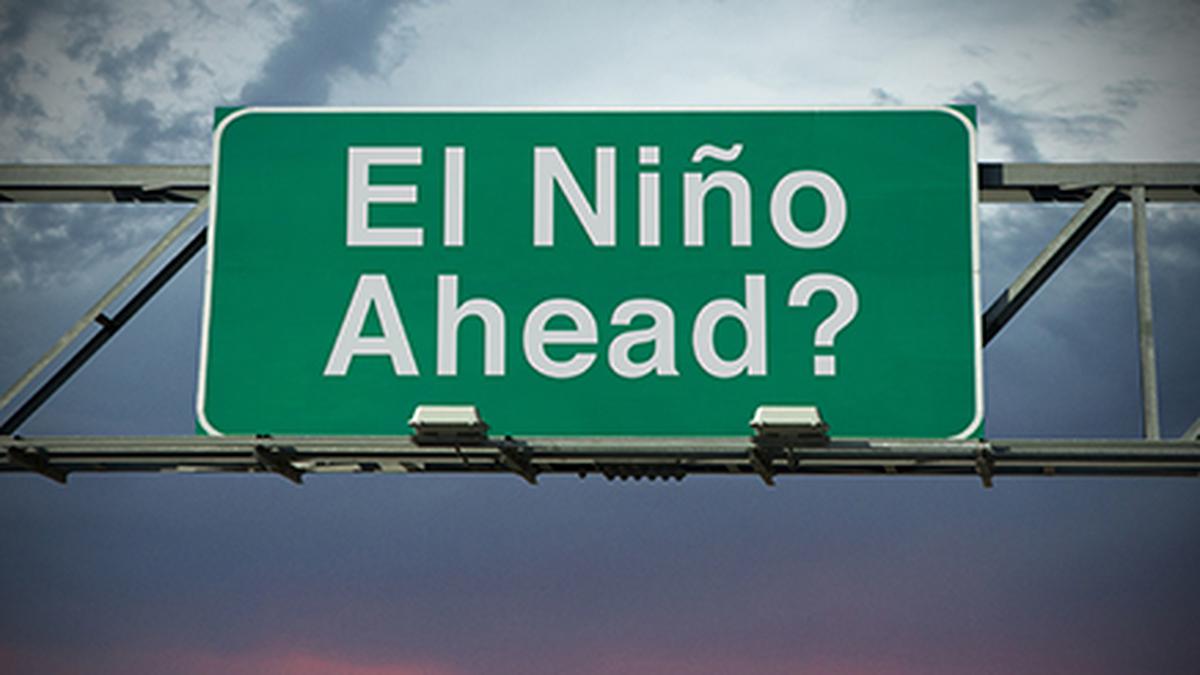
In the latest episode of The Rearview Podcast, hosts Jacob Koshy and Sobhana K. Nair trace El Niño’s far‑reaching influence on events from the French Revolution to today’s Indian economy. They also explain why modern India feels the climate pattern in subtler yet powerful ways.
Key Takeaways
- El Niño’s 1877‑78 event triggered simultaneous droughts in India, China, and Brazil.
- Climate extremes contributed to the 1789 Skull Famine and set conditions for the French Revolution.
- Modern India avoids famine but still feels El Niño through food prices, rural incomes, and power generation.
El Niño’s Historical Reach
Jacob Koshy and Sobhana K. Nair explore how a warm Pacific patch, El Niño, can shape societies thousands of kilometres away. The devastating 1877‑78 episode brought drought across India, China, and Brazil just as the world was becoming a truly globalised economy.
During the same era, India’s 1789 “Skull Famine” and the mounting unrest that sparked the French Revolution were linked to these climate shocks, reminding us that climate and politics often move hand‑in‑hand.
Historical Background
El Niño is a recurring ocean‑atmosphere phenomenon every 2‑7 years. Warm water in the eastern Pacific disrupts global weather patterns, influencing monsoons, harvests, and even social stability throughout history.
Why This Matters
BozokMedia analysis shows that understanding past climate‑society links helps policymakers anticipate modern risks. While India no longer faces famine, El Niño still drives food‑price spikes, reservoir levels, and electricity generation, pressuring rural incomes and the broader economy.
"El Niño is only one player in a complex system that includes the Indian Ocean Dipole and the Madden‑Julian Oscillation," says climate scientist Dr. Ravi Singh.
Frequently Asked Questions
Can El Niño disrupt India’s monsoon again in the future? Yes—rising global temperatures are likely to increase both the intensity and frequency of El Niño events.
Do modern technologies mitigate El Niño’s impact? Advanced forecasting and water‑resource management have reduced risks, but complete protection remains a challenge.