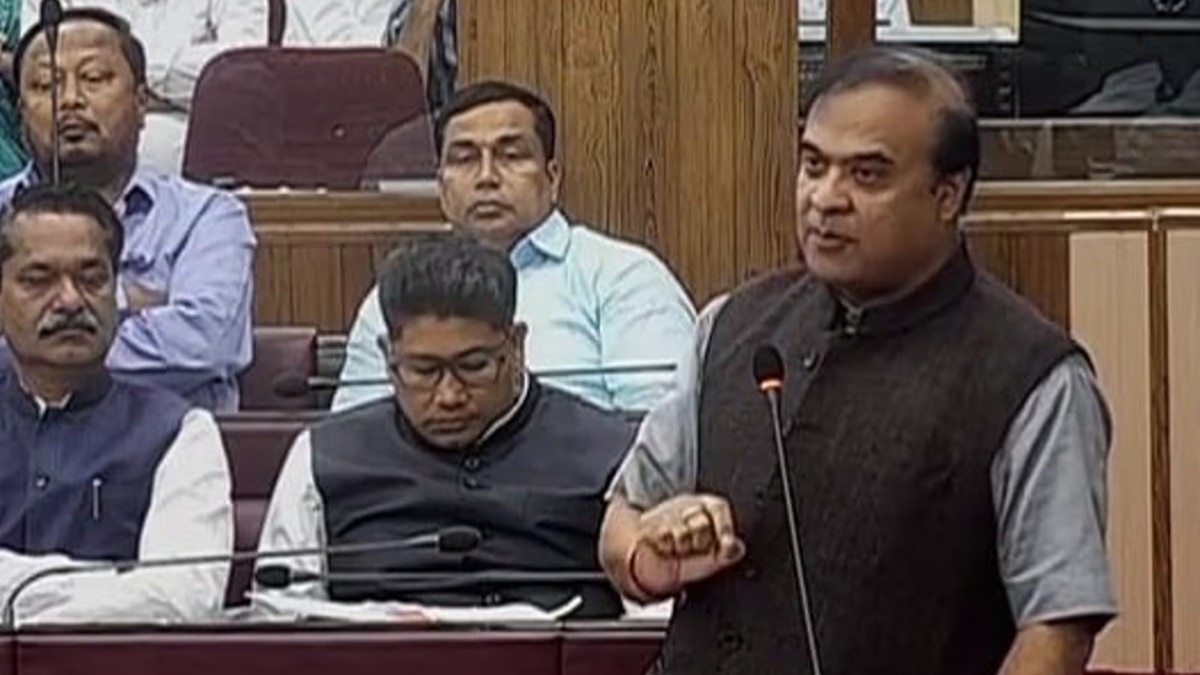
The Assam Assembly passed the 2026 amendment to the Land and Revenue Regulation, imposing a 5‑km restriction around 250‑year‑old heritage sites and redefining who qualifies as an “original inhabitant.” The measure applies uniformly to religious institutions of all faiths.
Key Takeaways
- 5 km restriction on land transactions near 250‑year‑old heritage sites
- New definition of “original inhabitant”: families residing up to 2006 for three generations
- Purchases limited to Scheduled Castes, Scheduled Tribes, indigenous ethnic communities and disadvantaged groups
Assam Enacts Revised Heritage Land Bill
The Assam Assembly approved the Assam Land and Revenue Regulation (Amendment) Bill, 2026 on Wednesday. The legislation restricts land purchase or ownership within a protected 5‑km radius of “iconic heritage institutions” that are at least 250 years old, allowing only “original inhabitants” and select categories to transact.
Heritage Sites and Secular Protection
Chief Minister Himanta Biswa Sarma described the law as the state’s “most secular” measure, emphasizing that it applies equally to religious institutions of every community that meet the 250‑year threshold. This aims to prevent both majority and minority groups from encroaching on historic sites.
New Definition of “Original Inhabitant”
Under the amendment, an “original inhabitant” is a person who, together with their family, has lived in the protected area for three generations up to January 1, 2006, with each generation counted as 25 years. The definition is religion‑neutral and applies across social categories.
Historical Background
The original 2024 law never came into force due to missing criteria such as generation length and a cut‑off date. The 2026 amendment fills these gaps, enabling effective enforcement and clarifying eligibility.
Why This Matters
BozokMedia analysis shows that the amendment could set a precedent for heritage‑focused land policies across India, balancing cultural preservation with the rights of indigenous and disadvantaged communities.
“This legislation safeguards cultural heritage while granting legitimate rights to longstanding local communities,” says heritage law expert Dr. Ananya Gupta.
Frequently Asked Questions
Question 1: What exactly qualifies someone as an “original inhabitant” under the new law?
Answer: It refers to individuals whose families have resided in the protected area for at least three generations (75 years) up to January 1, 2006.
Question 2: How will the law affect land transactions near heritage sites?
Answer: New purchases within the 5‑km radius will be limited to the specified categories, and unauthorized occupants may face eviction.