Professors and students of the Indian Statistical Institute (ISI) have sounded the alarm over a newly introduced bill that could jeopardize the institute’s 95-year autonomy. The debate in Parliament intensifies as opposition parties and campus activists demand a thorough discussion.
Key Takeaways
- The new bill may curtail ISI's academic freedom
- Faculty and students call for parliamentary debate
- Opposition parties challenge the government's move
A recently introduced bill in Parliament threatens the 95‑year‑old autonomy of the Indian Statistical Institute (ISI). Professors and students at ISI have voiced strong opposition, warning that the legislation could usher in increased government control over independent research.
Founded in 1926, ISI has long been a beacon of academic independence and excellence. Its autonomy, enshrined in the Constitution, has allowed it to operate as a premier research hub both nationally and internationally.
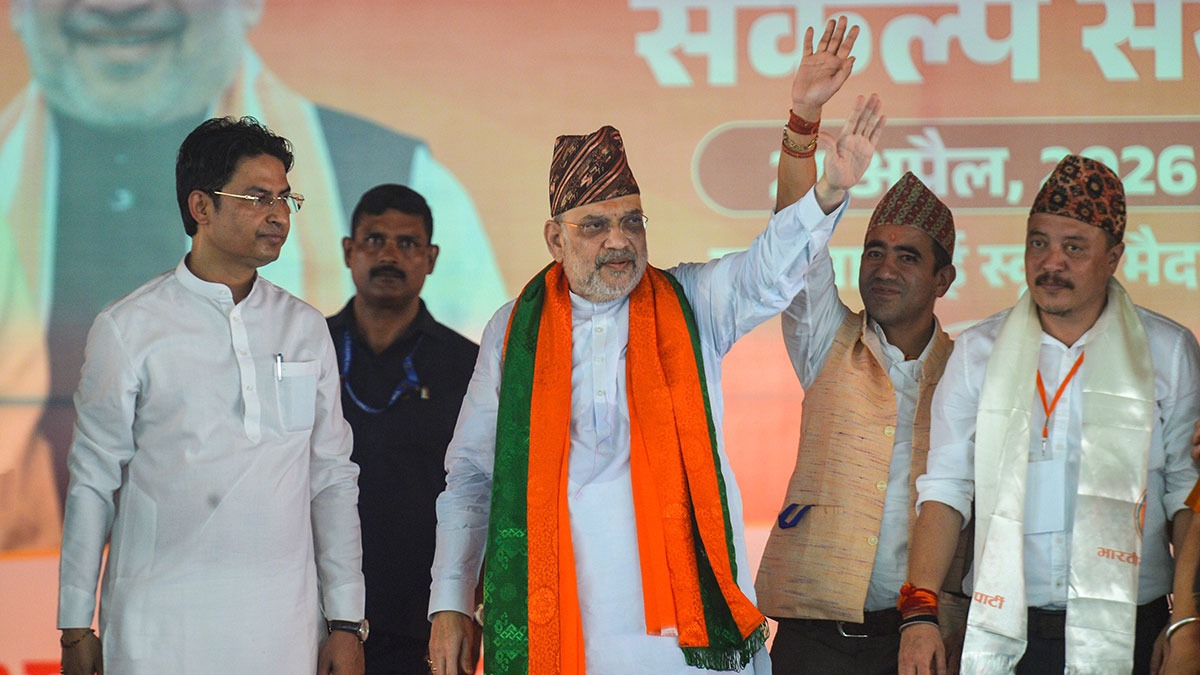
Students and faculty are demanding a detailed parliamentary discussion, while opposition parties, particularly the Congress, label the move as an attempt to tighten governmental grip on premier institutions. Several opposition MPs have grilled Home Minister Amit Shah on the issue.
The government argues that the bill is essential for national security and data protection, yet many academic experts view it as an encroachment on institutional independence.
Historical Background
ISI’s autonomy was formally protected post‑1950, enabling it to independently set curricula, recruitment, and research agendas. This freedom propelled ISI to global recognition and produced numerous distinguished scientists.
Why This Matters
BozokMedia analysis shows that any erosion of ISI’s autonomy could set a precedent for other premier research institutions, potentially undermining India’s broader scientific ecosystem and its global competitiveness.
"Without independent research, a nation's innovation capacity is severely limited," said Prof. Rajat Sharma, member of the National Science Council.
Frequently Asked Questions
Question 1: What is the primary objective of the bill?
Answer: The government claims it aims to strengthen national security and data protection, but critics argue it infringes on academic freedom.
Question 2: Are there legal avenues to challenge the bill?
Answer: Faculty and students are seeking constitutional challenges and public mobilization to amend or repeal the legislation.