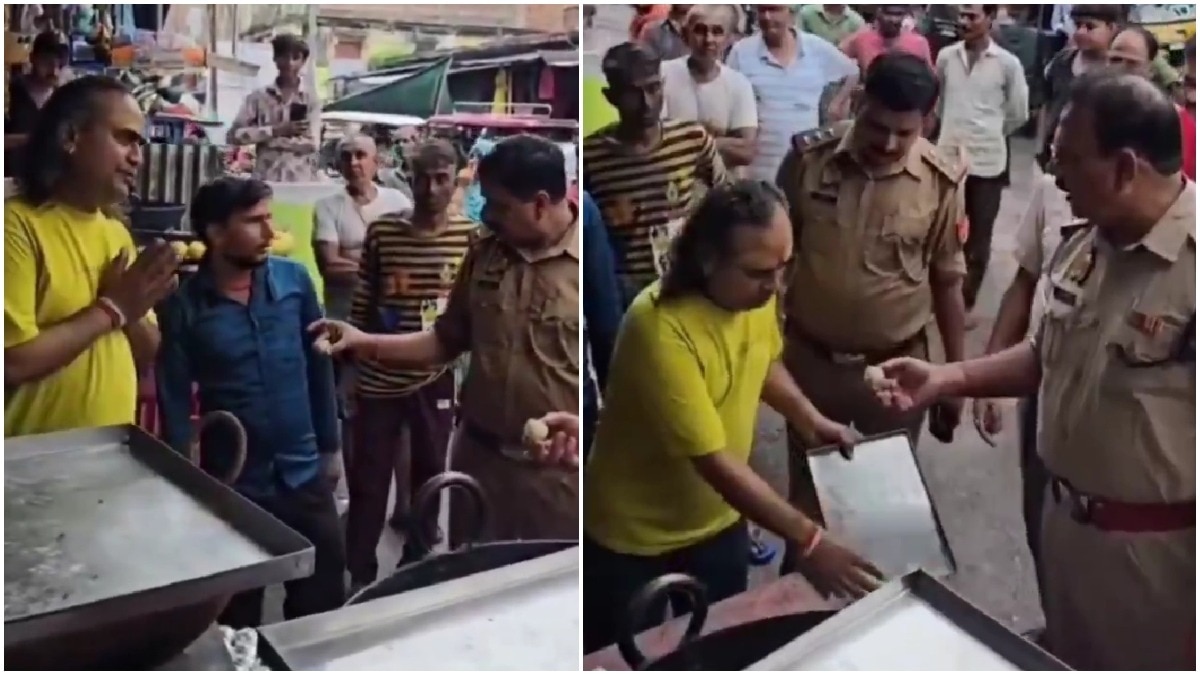
A new column argues that decades‑long institutional weaknesses and a culture of over‑promising have left India’s young generation disillusioned. Protests like the Cockroach Janata Party illustrate growing frustration as promised reforms fail to materialise.
Key Takeaways
- Institutional inefficiencies and a culture of over‑promising have eroded youth confidence.
- Major sectors—education, jobs, housing—show a widening promise‑delivery gap.
- Social media amplifies discontent, turning isolated grievances into organized protests.
Historical Background
Since independence, India has undergone land reforms, the Green Revolution, and economic liberalisation. Yet nascent institutions, frequent policy shifts, and patchy implementation have repeatedly stalled the translation of lofty promises into tangible outcomes.
Current Landscape
Today’s youth expect quality education, decent employment, and digital conveniences. However, recurring exam‑leak scandals, uneven rollout of the National Education Policy (2020), and a stagnant job market keep the promise‑delivery chasm widening.
Protests and Social Response
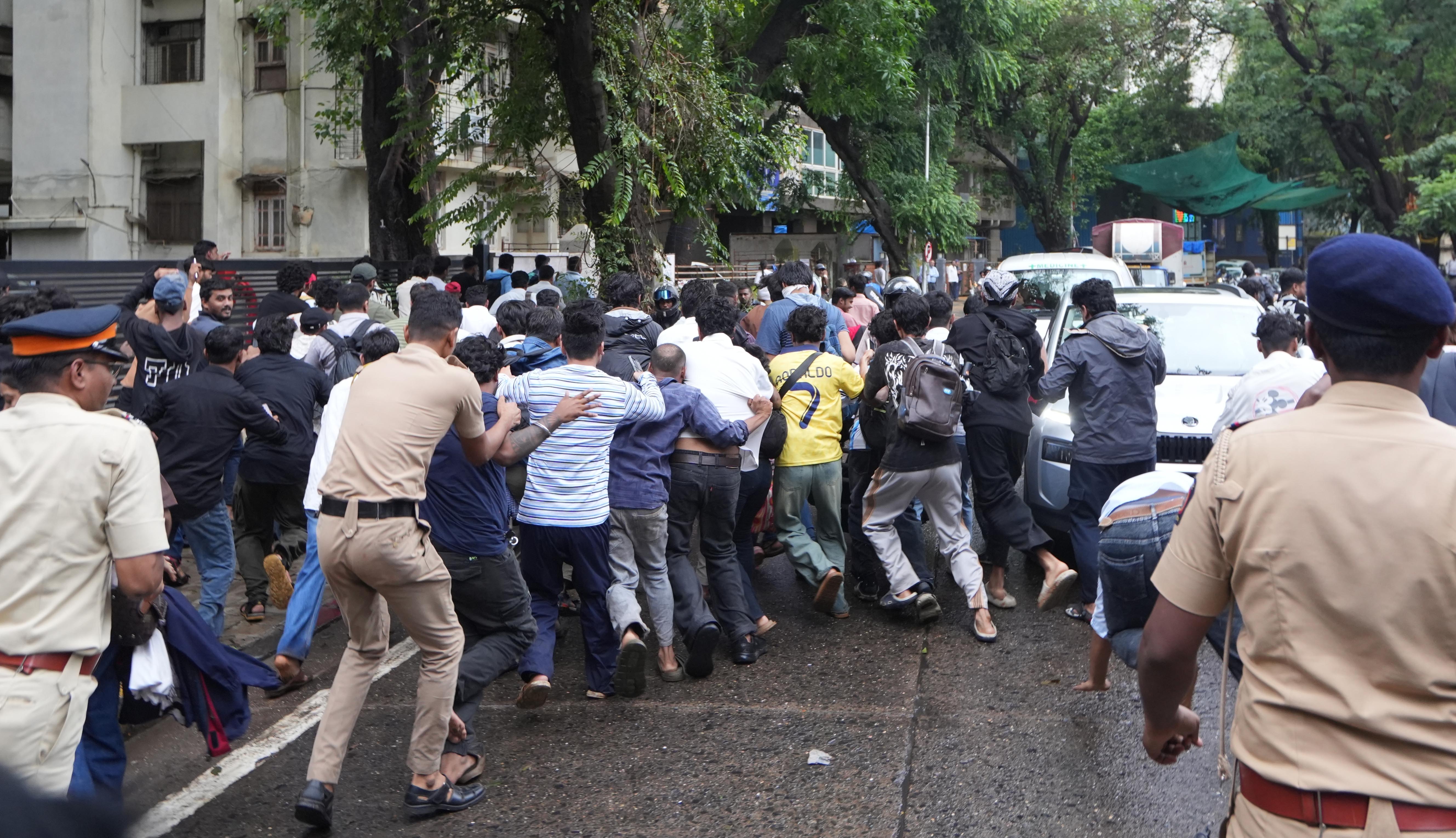
In Mumbai’s Dadar, demonstrators supporting the Cockroach Janata Party (CJP) were detained, underscoring how a single Instagram post can mobilise 20 million people. This digital‑driven mobilisation signals a new era of political expression among Indian youngsters.
Why This Matters
BozokMedia analysis shows that if policymakers continue to ignore youth voices, social discontent will translate into economic instability and political volatility. Bridging this gap is essential not only for democratic health but also for keeping India competitive on the global stage.
"India’s greatest risk today is the widening promise‑delivery divide, and it must be addressed immediately," says political analyst Dr. Archana Gupta.
Path Forward
Leaders need realistic targets, robust monitoring mechanisms, and continuous dialogue with the younger generation. Only by aligning expectations with measurable outcomes can the nation restore faith in its promises.
Frequently Asked Questions
Question 1: Should policymakers adopt more transparent communication with youth?
Answer: Absolutely—regular public hearings and digital engagement platforms can rebuild trust.
Question 2: Which policy areas can most quickly reduce youth‑led protests?
Answer: Education reform, skill‑based employment schemes, and affordable housing initiatives are key levers.