Sadhguru clarifies Samadhi as a balanced, intellect‑beyond state that creates a space between self and body. Psychologist Dr. Rimpa Sarkar distinguishes it from ordinary meditation, calling it a profound spiritual outcome.
Key Takeaways
- Samadhi is described as a state of equanimity beyond ordinary intellect.
- It offers a natural high without external chemicals.
- Experts differentiate Samadhi from regular meditation practices.
Sadhguru’s Fresh Perspective
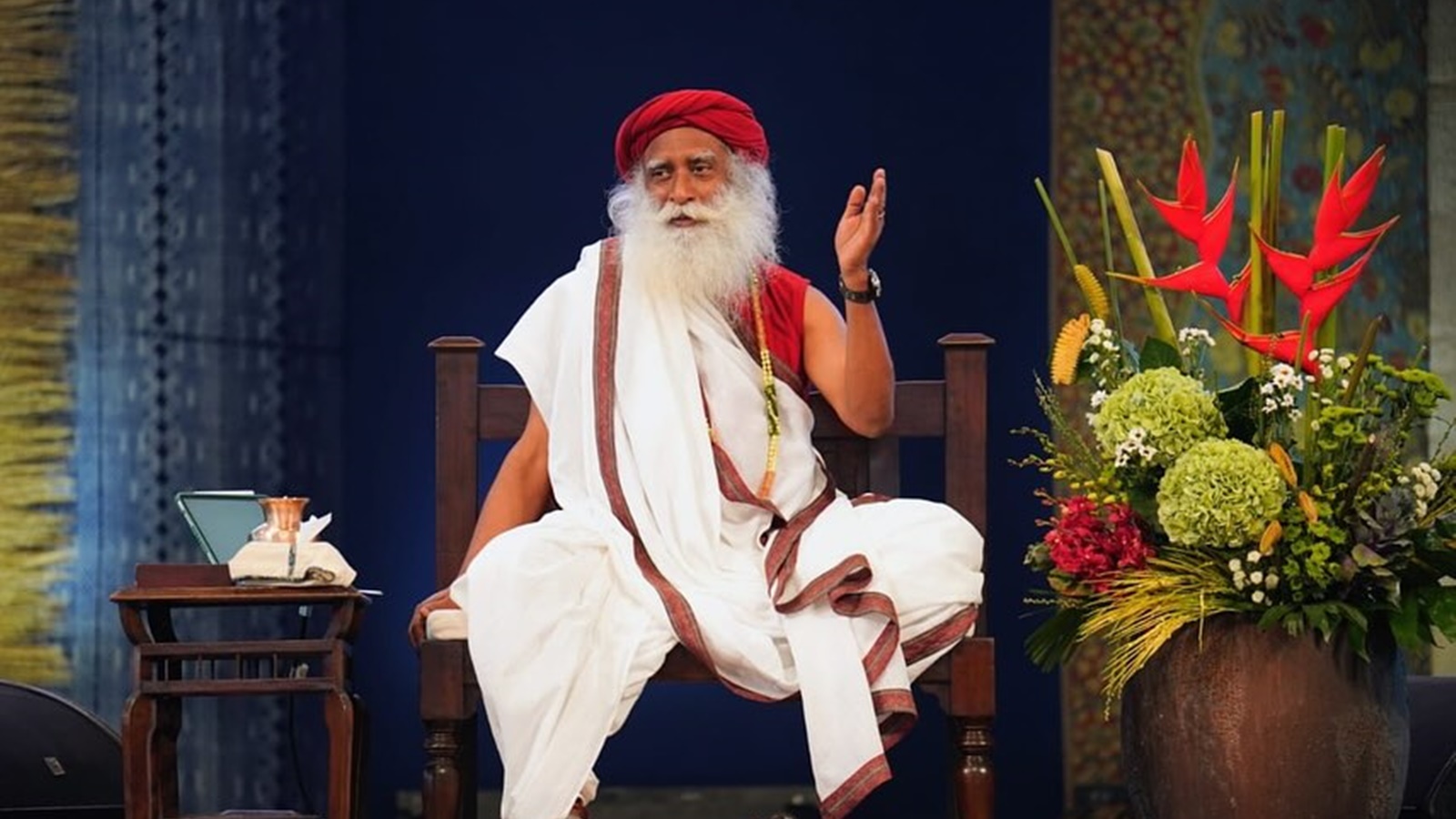
Founder of the Isha Foundation, Sadhguru, explained in a new YouTube video that Samadhi literally combines “sama” (equanimity) and “dhi” (intellect). He emphasized that this state creates a distinct space between the individual and their physical body.
“All samadhis, I would say, are a way of getting high without any external chemicals,” he said, adding that the experience unlocks a new dimension while leaving no dramatic transformation behind.
Expert Psychological Viewpoint
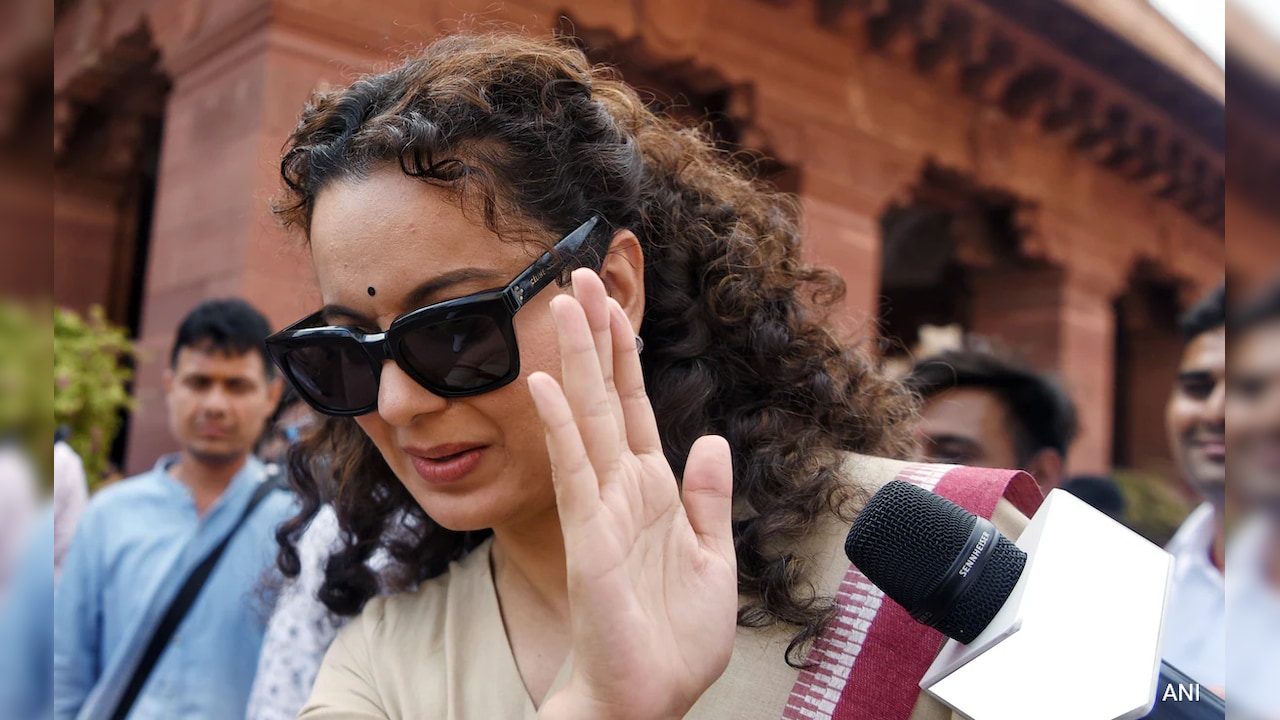
Clinical psychologist Dr. Rimpa Sarkar of Sentier Wellness in Mumbai notes that Samadhi is rooted in yogic philosophy, whereas meditation is a set of techniques that train attention and emotional regulation. “Meditation is the process; Samadhi is a possible profound state that may emerge after sustained practice,” she told IndianExpress.com.
She cautions that mainstream psychology cannot scientifically verify Samadhi because it belongs to spiritual traditions rather than conventional research domains.
Why This Matters
BozokMedia analysis shows that the rising public interest in Samadhi reflects a broader quest for non‑pharmacological methods of achieving altered states, influencing wellness markets and spiritual tourism.
"Samadhi cannot be measured by conventional science, as it represents a level of consciousness that transcends ordinary metrics," Dr. Rimpa Sarkar explains.
Frequently Asked Questions
Q1: How is Samadhi different from regular meditation?
A: Meditation is a practice; Samadhi is a deep, equanimous state that may arise from prolonged meditation but is not guaranteed for every practitioner.
Q2: Can anyone achieve Samadhi through practice?
A: With disciplined, long‑term practice and proper guidance, many can move toward Samadhi, though it is not a quick shortcut.