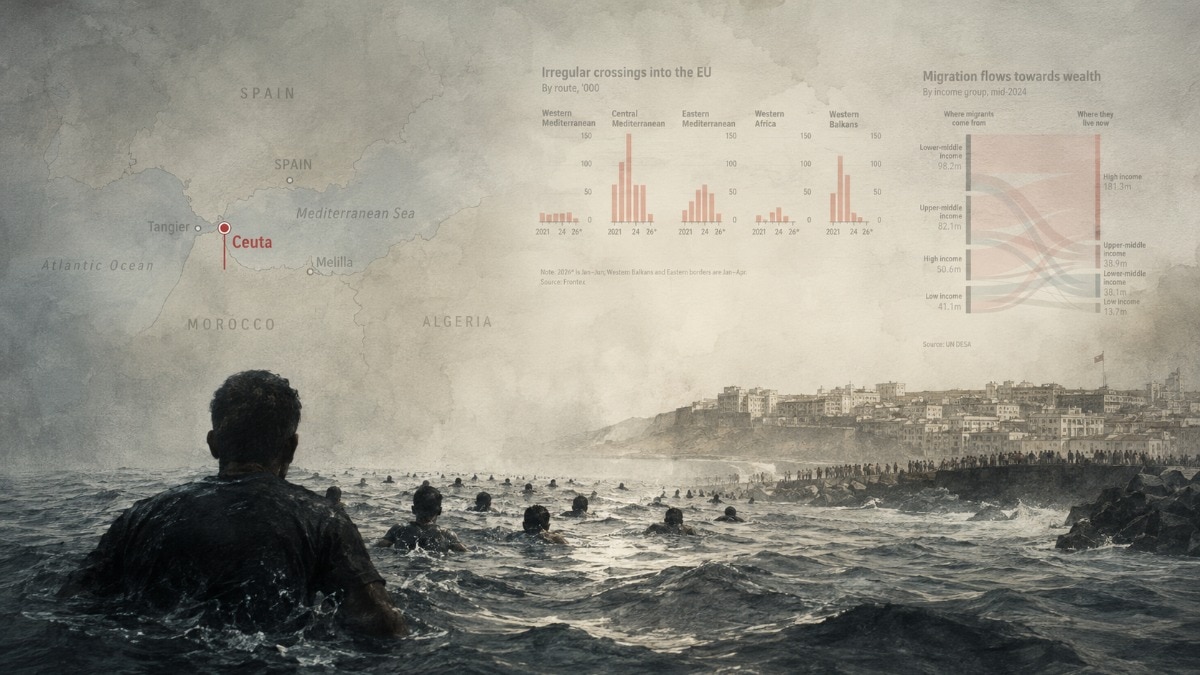
Spain’s two tiny enclaves, Ceuta and Melilla, sit on Africa’s northern coast and have become a flashpoint with Morocco. Their roots trace back to Spain’s imperial past, while Morocco has claimed them since its 1956 independence.
Key Takeaways
- Ceuta and Melilla are the last vestiges of the Spanish colonial empire.
- Morocco has disputed Spanish sovereignty over the enclaves since 1956.
- The enclaves form part of the EU’s external border and a focal point for migration pressures.
Historical Background
Ceuta fell under Portuguese control in 1415, became Spanish in 1580, and remained Spanish after Portugal’s 1640 independence. Melilla was seized by a Spanish nobleman in 1497. After losing Cuba, Costa Rica and the Philippines in 1898, Spain shifted its focus to Africa, leaving Ceuta and Melilla as the only European holdings on the African mainland.
Current Tensions and Future Outlook
Following Morocco’s 1956 independence, it has repeatedly called the territories “Sebtah” and “Melilah,” demanding their return. Spain, however, maintains legal ownership, turning the enclaves into a persistent diplomatic irritant, especially during recent migrant surges that saw over 50,000 people cross into Ceuta.
Why This Matters
BozokMedia analysis shows that these enclaves are more than historic relics; they are critical nodes in the EU’s external border, security framework, and migration management. Their status reinforces Spain’s symbolic imperial legacy while shaping regional geopolitics.
"Understanding Ceuta and Melilla requires a blend of colonial history, North African nationalism, and contemporary migration challenges," says Dr. Rabia Salim, professor of International Relations.
Frequently Asked Questions
Q1: Has Morocco taken the dispute to an international court?
A: Morocco has raised the issue at the United Nations and the International Court of Justice, but no definitive ruling has been issued.
Q2: What citizenship do residents of the enclaves hold?
A: The majority are Spanish citizens, though many also retain Moroccan passports.