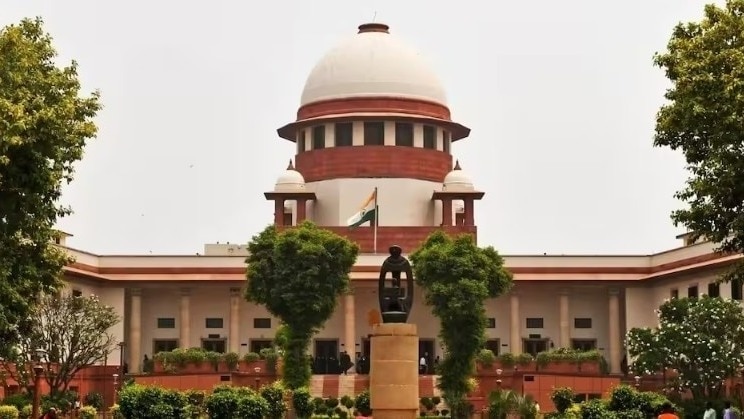
The Lok Sabha passed the Supreme Court (Number of Judges) Amendment Bill, 2026, raising the total judges from 34 to 38. The move aims to ease a mounting case backlog, though it will add an estimated ₹14.04 crore to government expenditure.
Key Takeaways
- Judge count rises from 8 to 38 over decades
- Lok Sabha approved the amendment; now moves to Rajya Sabha
- Additional cost projected at ₹14.04 crore annually
New Delhi (August 3, 2026) – The total number of Supreme Court judges, including the Chief Justice, will increase from 34 to 38 after the The Supreme Court (Number of Judges) Amendment Bill, 2026 cleared the Lok Sabha without debate. The bill now proceeds to the Rajya Sabha and will require presidential assent before becoming law.
Historical Background
When the Constitution came into force on 28 January 1950, the Supreme Court comprised just 8 judges (1 Chief Justice and 7 members). Since then, the sanctioned strength has risen seven times: 11 in 1956, 14 in 1960, 18 in 1977, 26 in 1986, 31 in 2008, 34 in 2019, and now 38 in 2026. Each increase responded to growing judicial workload.
Financial Impact
The government estimates an extra annual outlay of ₹10.56 crore for additional judges and support staff, plus a one‑time infrastructure cost of ₹3.47 crore, totaling ₹14.04 crore. These funds will cover new benches, clerical staff, and upgraded courtroom facilities.
Why This Matters
BozokMedia analysis shows that increasing the bench size is crucial to reduce the backlog of over 92,000 pending cases reported at the start of 2026. Faster case disposal will strengthen public confidence in the judiciary and align India’s legal system with global standards.
"Expanding the bench will accelerate case resolution and alleviate chronic delays," says senior legal analyst Prof. Ajay Singh.
Frequently Asked Questions
Q1: Will all newly authorized judges be appointed immediately?
A: No, appointments will follow the standard presidential approval and selection process for each vacancy.
Q2: How will this increase affect the speed of case hearings?
A: More benches are expected to speed up hearings, though the real impact will become evident over time.