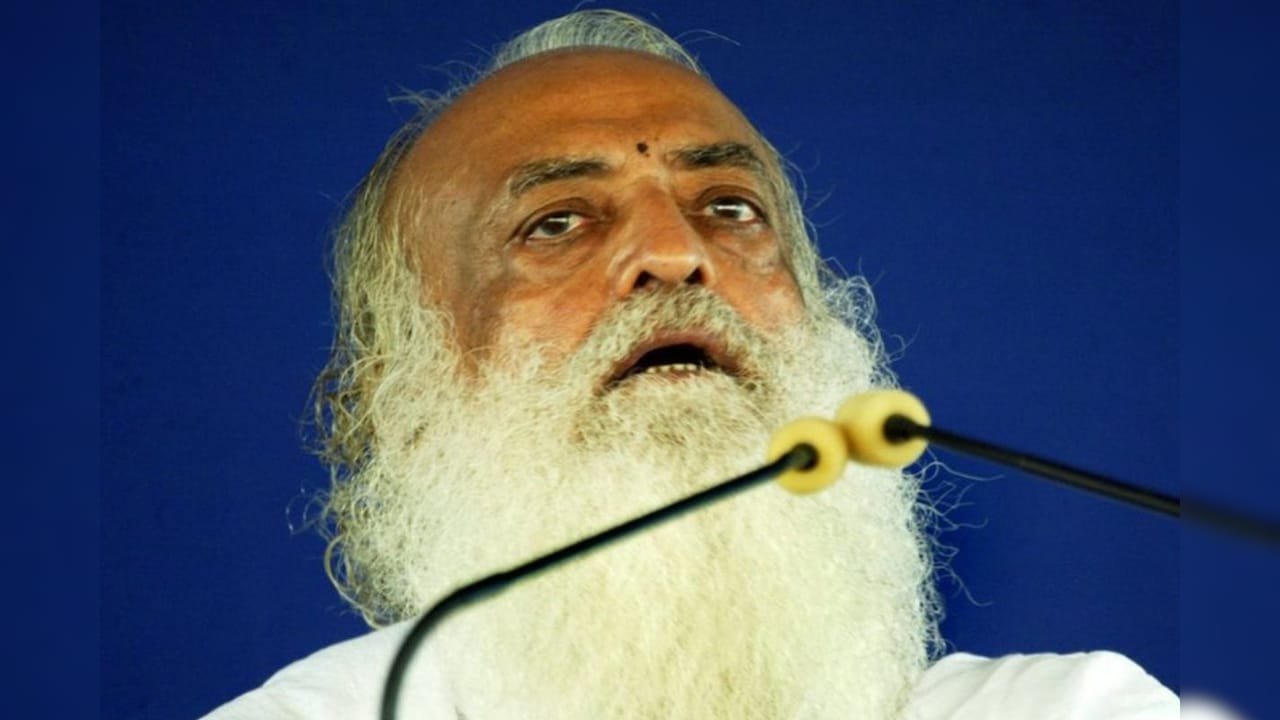
The Rajasthan High Court approved a 20‑day parole for Asaram, overriding the state government's objections. The court found no evidence of risk or bail violations.
Key Takeaways
- Asaram granted 20‑day parole
- State objected to the decision
- Court found no risk evidence
Court Decision
The Rajasthan High Court issued a 20‑day parole for Asaram after concluding that there was no concrete evidence of risk or bail violations. This ruling came despite strong objections from the state government, which sought to keep him incarcerated.
State's Objections
The state argued that Asaram posed a high risk of re‑offending and that public safety warranted continued imprisonment. The court, however, deemed these concerns unsubstantiated and proceeded with the parole.
Historical Background
Asaram, a former spiritual leader, was convicted in 2018 on multiple sexual assault charges and sentenced to 12 years in prison. Prior to this ruling, he had received temporary releases for health reasons, but this is the first time a high court explicitly granted an extended parole based on a lack of risk evidence.
Why This Matters
BozokMedia analysis shows that this ruling could set a precedent for future parole decisions involving high‑profile convicts, potentially reshaping how Indian courts balance public safety with legal rights.
"This parole order underscores judicial independence, yet it also tests societal responsibility," said legal scholar Dr. Rajiv Singh.
Frequently Asked Questions
- Will Asaram face any restrictions during parole? Yes, he will be under police supervision and must obtain permission for any travel outside the designated area.
- Can the state challenge this decision? Yes, the state can appeal to the Supreme Court, but the current order remains in effect.