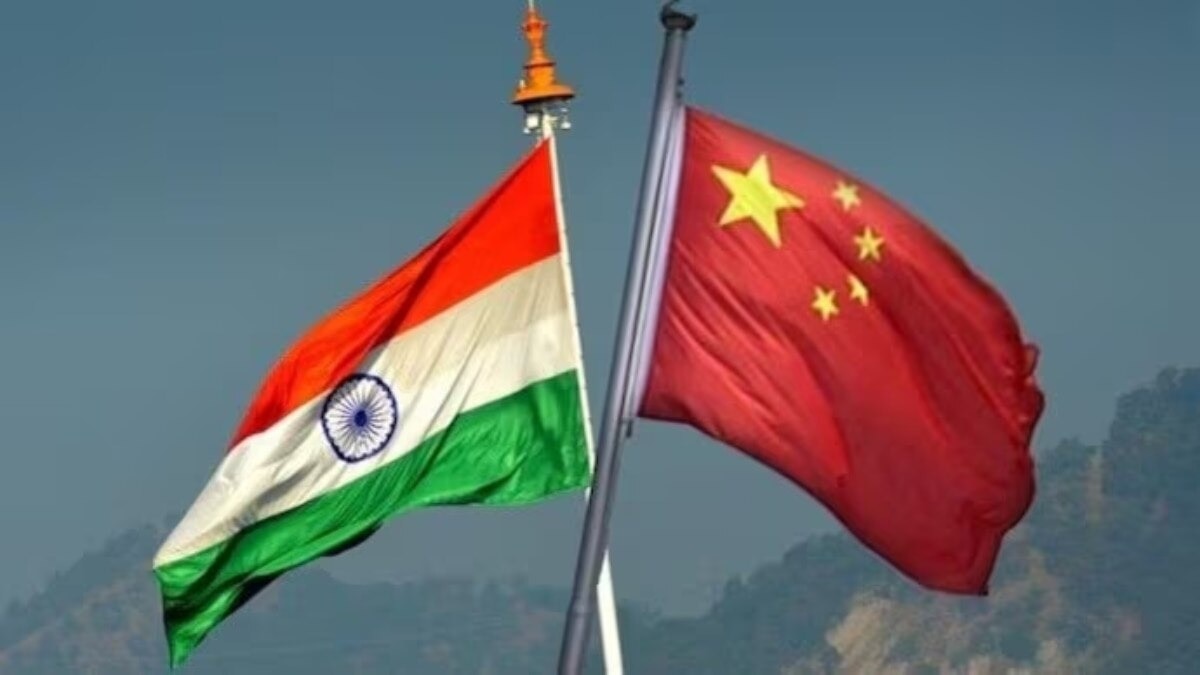
In New Delhi, India and China convened their 36th Working Mechanism for Consultation and Coordination (WMCC) to examine the Line of Actual Control (LAC) and discuss trans‑border river data sharing. Both sides reaffirmed their commitment to use established diplomatic and military channels to maintain peace along the frontier.
Key Takeaways
- The 36th WMCC meeting focused on the current situation along the LAC.
- India urged an early Expert Level Mechanism meeting on trans‑border river data.
- Both nations emphasized peace and stability as foundations for broader bilateral ties.
Main Discussion Points
India’s Joint Secretary (East Asia) Sujit Ghosh and China’s delegation led by Hou Yanqi reviewed the LAC status in Arunachal Pradesh. The parties agreed to keep existing diplomatic and military channels, including local commander‑level meetings, fully operational.
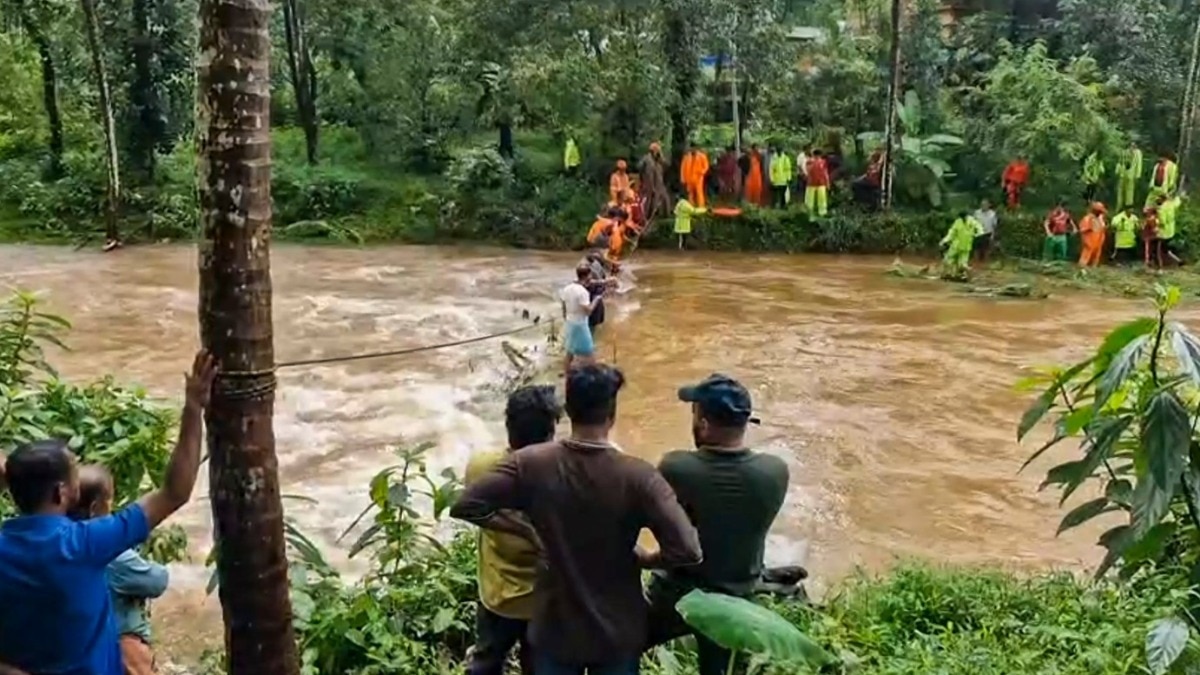
The talks also spotlighted trans‑border river data sharing. New Delhi pressed for a prompt Expert Level Mechanism session, highlighting the need for China to provide technical information on upstream projects that affect India’s water security.
Both sides exchanged views on boundary delimitation, border management, institution‑building, and broader cross‑border cooperation, reinforcing the post‑2020 effort to rebuild trust after the Galwan Valley clash.
Historical Background
Following the 2020 Galwan Valley incident, India and China have taken steps to de‑escalate tensions. In October 2024, they agreed to disengage at Depsang and Demchok, the last major flashpoints in Eastern Ladakh. Subsequent initiatives have revived the Kailash Manasarovar pilgrimage, visa services, and direct flight connectivity.
Why This Matters
BozokMedia analysis shows that sustained dialogue on LAC and water‑resource sharing is crucial for regional stability and economic growth, especially as both nations seek to balance strategic interests with domestic development goals.
"Effective river data exchange can prevent future water‑security crises and build trust along the contested frontier," says Dr. Ananya Rao, South‑Asia water policy expert.
Frequently Asked Questions
Q1: Was any new agreement reached during this meeting?
A: No formal agreement was signed, but both parties reaffirmed their commitment to continue dialogue and data sharing.
Q2: How might this talk impact India‑China trade?
A: Maintaining peace and stability is expected to foster a more favorable environment for trade and investment between the two economies.