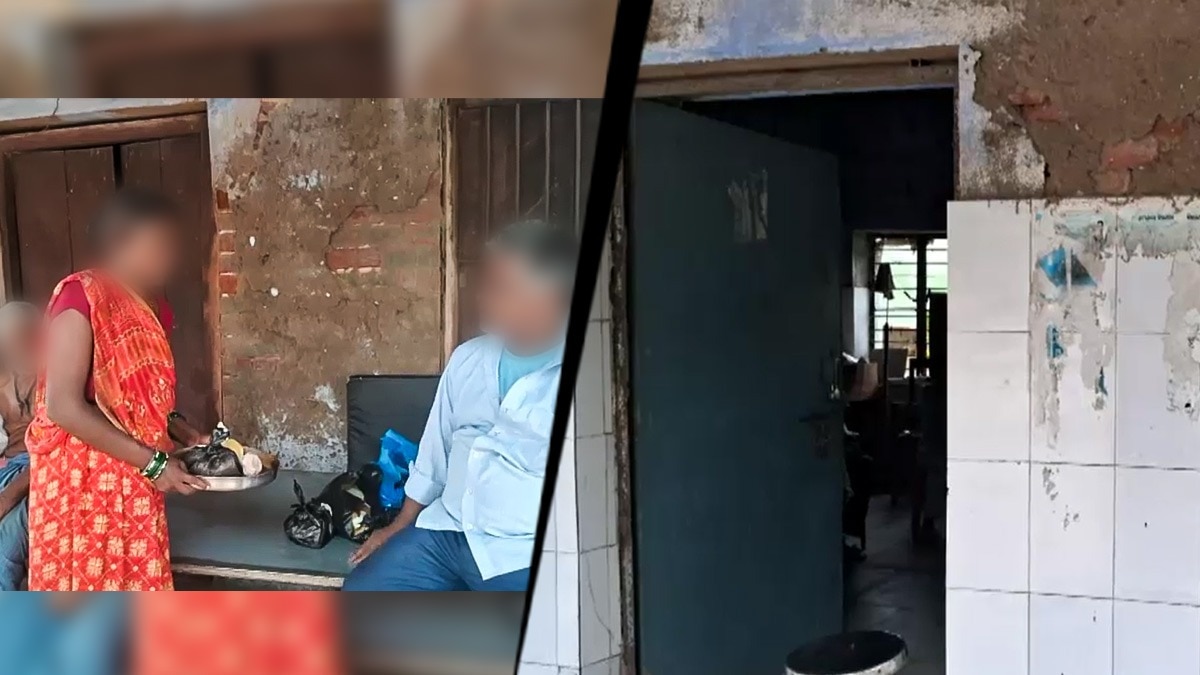
Patients at the Gautam Buddha Leprosy Ashram Hospital in Gaya, Bihar, allege that they have been served hot meals in single‑use plastic bags for months while monsoon rains cause water to seep through the ward ceilings, highlighting severe neglect.
Key Takeaways
- Patients receive hot meals in plastic bags despite a ban.
- Ceiling leaks worsen conditions during monsoon season.
- Basic amenities like beds, windows, and sanitation staff are missing.
Plastic Bag Meals Raise Health Concerns
At the Gautam Buddha Leprosy Ashram Hospital, patients claim that for the past three months, their hot meals have been handed over in single‑use plastic bags, contravening national plastic‑use bans. This practice risks chemical leaching, potentially endangering already vulnerable patients.
Infrastructure Deterioration
Monsoon rains have exposed severe roof leaks, causing water to drip onto patients’ beds. Many wards lack essential facilities such as proper windows, beds, and even a dedicated sanitation worker, compounding health hazards.
Historical Background
Established in the early 1900s, the asylum was once a model institution for leprosy care. Over a century later, the aging 100‑year‑old building struggles to meet modern health standards, reflecting chronic underinvestment.
Why This Matters
BozokMedia analysis shows that neglect of leprosy patients reflects broader systemic issues in public health infrastructure, especially in marginalized regions. Continued oversight could further erode patient wellbeing and public trust.
"Serving hot food in plastic bags not only violates environmental regulations but also poses serious health risks," says public‑health expert Dr. Anjali Singh.
Frequently Asked Questions
Question 1: Has the government responded to these allegations?
Answer: No official response has been issued yet, though local NGOs are pressuring authorities for action.
Question 2: Where can patients obtain alternative meals?
Answer: Some private charities provide temporary food assistance, but a sustainable solution remains absent.