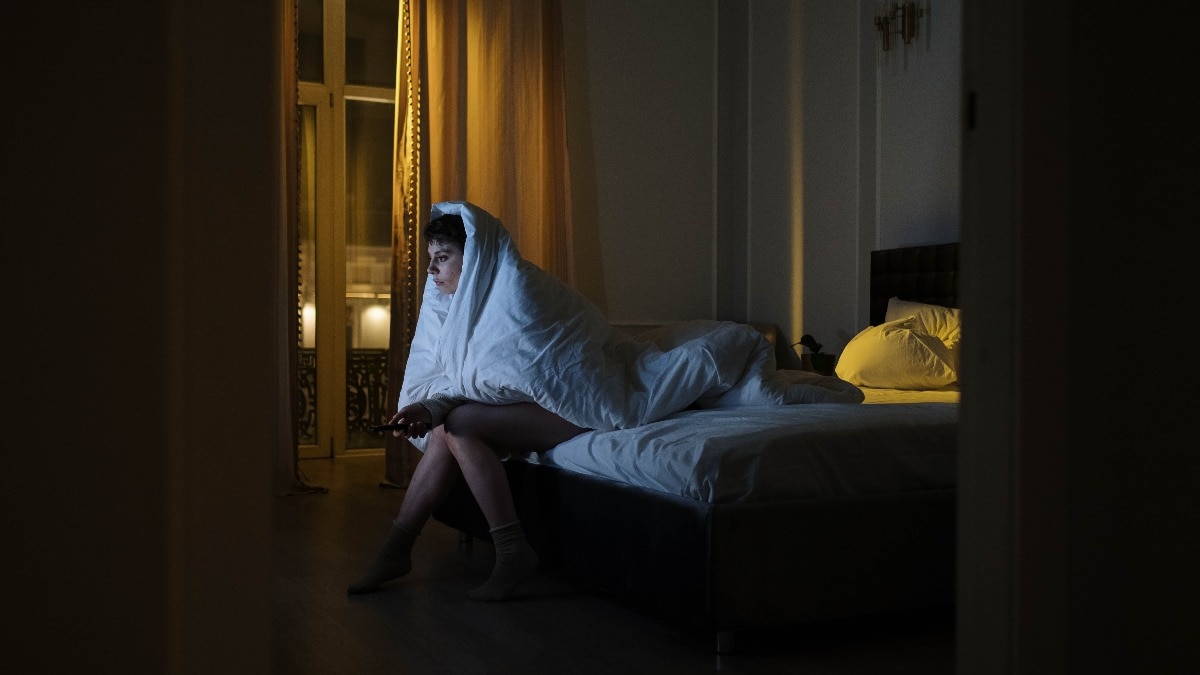
A new psychological study shows that sleeplessness before a major event is driven by heightened stress hormones, not merely excessive rumination. The finding could reshape how we approach anxiety and sleep hygiene.
Key Takeaways
- Pre‑event insomnia is more than overthinking.
- Stress hormones disrupt the sleep cycle.
- Cognitive‑behavioral techniques can provide relief.
Psychological Insight
Recent research indicates that when individuals anticipate a high‑stakes occasion—such as a job interview or wedding—their bodies release a surge of cortisol. This hormone interferes with natural sleep patterns, amplifying anxiety and trapping the mind in a loop of “overthinking.”
However, the phenomenon is rooted in a physiological response that keeps the brain on high alert. Excessive cortisol spikes activate the reticular activating system, preventing the onset of restorative sleep.
Why This Matters
BozokMedia analysis shows that understanding the physiological roots of pre‑event insomnia can help employers, educators, and healthcare providers design better support systems, reducing performance‑related anxiety.
"The core driver of pre‑event insomnia is often unconscious stress, not mere cognition," says Dr. Anita Sharma, clinical psychologist.
Interventions such as Cognitive‑Behavioral Therapy (CBT) and mindfulness practices have proven effective in moderating this stress response. Incorporating these techniques into daily routines markedly improves sleep quality.
Frequently Asked Questions
Q1: Can insomnia before a big exam be completely eliminated?
A: Not entirely, but stress‑management strategies and a consistent sleep schedule can significantly reduce it.
Q2: Are there medications that solve this problem?
A: Medications may offer temporary relief, yet long‑term behavioral approaches remain more effective.